


OOBThaiAmulets
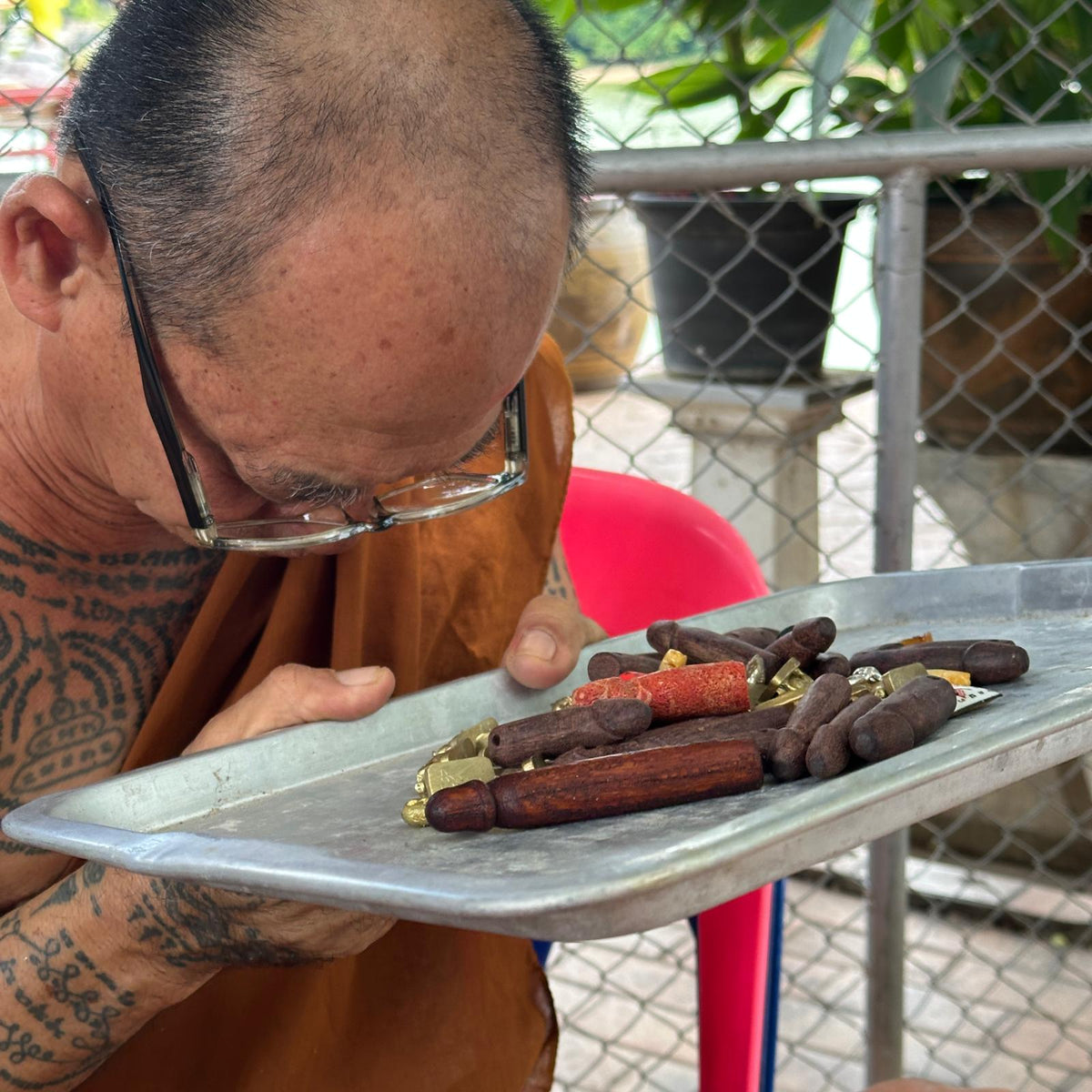
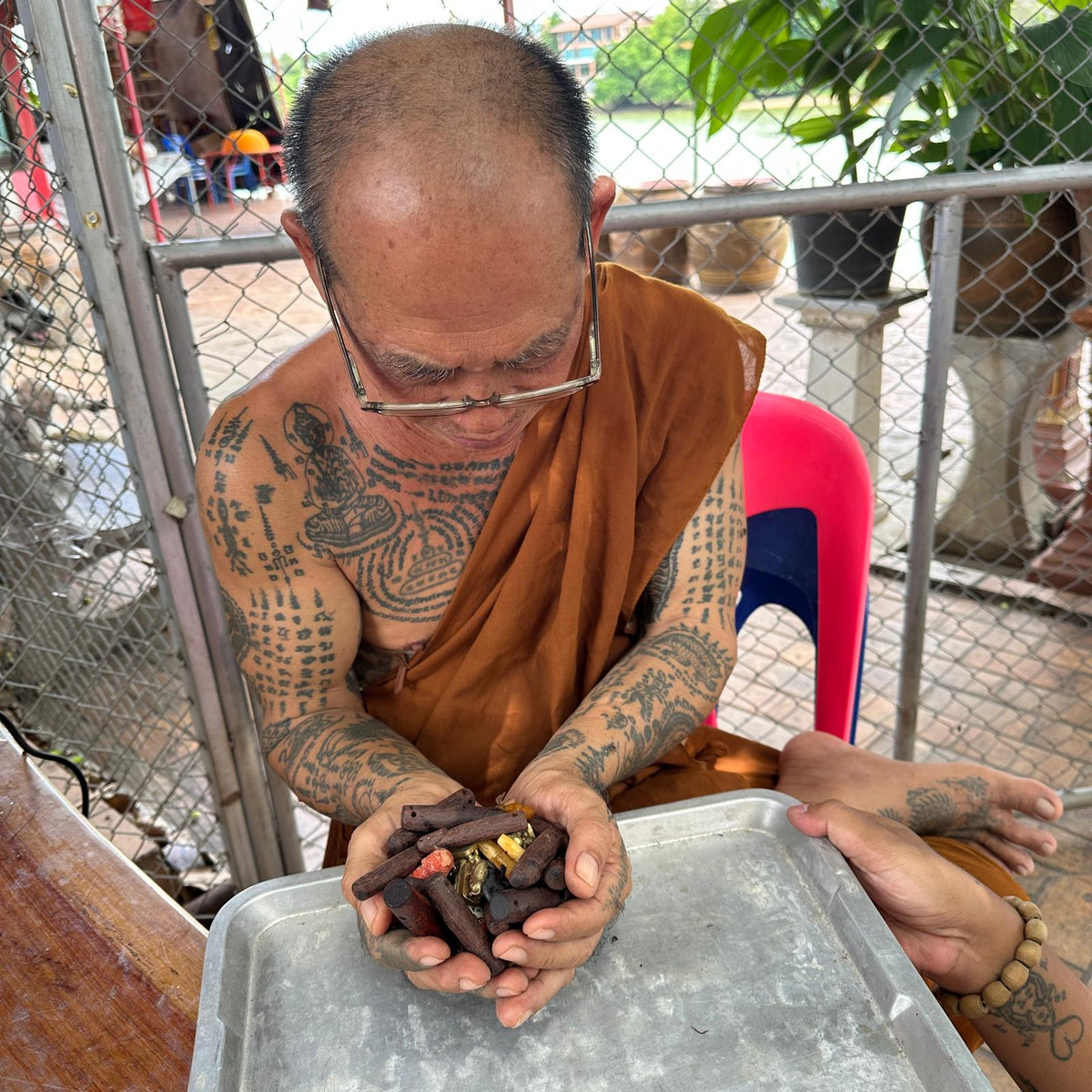
LP Anucha - Wat Pho Ratchaburana
LP Anucha - Wat Pho Ratchaburana
Temple-sourced certified artifacts since 2005. Questions before you buy? WhatsApp us at +65 9155 7000.
Couldn't load pickup availability
Box: ANU01
Palakit
LP Anucha • Wat Pho Ratchaburana, Ratchaburi
3 Inches
Mainstream Artifact
Bio of LP Anucha: click here
━━━━━━━━━━━━━━━━━━━━━━━━━━━━━━━━
Each artifact is individually handmade from natural sacred materials, with variations in colour, texture, form and hand-applied Yant inscriptions making every piece unique. Exact piece will be given
━━━━━━━━━━━━━━━━━━━━━━━━━━━━━━━━
Personal Experiences Shared by Luksits
Among collectors of LP Anucha's Palakit, one recurring observation is how frequently devotees return to the temple seeking additional pieces in different sizes and designs.
Several collectors have associated carrying his Palakit with favourable changes in their daily lives. Shop owners have spoken of improved business and more consistent customer activity, while sales professionals have reported achieving their sales targets more regularly.
These experiences have encouraged some devotees to collect additional pieces, particularly for business, customer attraction and personal confidence.
━━━━━━━━━━━━━━━━━━━━━━━━━━━━━━━━
Summary
The Palakit Mai Payom is a traditional wooden talisman created by LP Anucha Anuchato of Wat Pho Ratchaburana, Ratchaburi, individually carved from Mai Payom and inscribed with sacred Yant.
Mai Payom is traditionally associated with respect, authority, social standing and the accumulation of wealth. Its use in a Palakit combines these qualities with the longstanding symbolism of life-force, attraction, protection and prosperity.
The principal emphasis of this creation is Metta Maha Niyom, Maha Amnaj, business prosperity and personal influence, making it particularly relevant to individuals seeking stronger relationships, professional recognition and financial stability.
━━━━━━━━━━━━━━━━━━━━━━━━━━━━━━━━
Historical Background
The Palakit is among Thailand's longstanding traditional talismans, with origins influenced by indigenous animist practices and Hindu symbolism.
Its form represents the male generative principle, traditionally associated with fertility, vitality, creation and the continuation of life. Over time, Thai masters incorporated Palakit into established Wicha traditions, extending its associations to protection, popularity, prosperity and business success.
The symbolism is therefore not limited to sexuality. It also represents the ability to create opportunities, encourage growth and sustain one's livelihood.
LP Anucha studied traditional Wicha under LP Sanga of Wat Nong Muang, his principal teacher, before furthering his knowledge through other respected masters, including LP Non of Wat Khao Phran Thup and LP Boonkham of Wat Chaiyaphum.
His Palakit creations reflect these inherited traditions, combining sacred materials, handwritten Yant and ritual consecration.
━━━━━━━━━━━━━━━━━━━━━━━━━━━━━━━━
Origins of the Materials
The Palakit is carved from Mai Payom, a traditional Thai hardwood associated with Shorea trees.
Within Thai folk beliefs, Mai Payom is valued for its symbolic relationship with authority, dignity, social recognition and prosperity.
The wood has also been associated with the construction of Mai Kru, traditional ritual staffs representing spiritual authority and the transmission of knowledge.
Its traditional qualities include:
-
Maha Amnaj: Authority, influence and commanding respect.
-
Baramee: Personal dignity, reputation and social standing.
-
Metta Maha Niyom: Goodwill, popularity and favourable treatment.
-
Chok Lap: Fortune, prosperity and opportunities for wealth.
The significance of Mai Payom should be distinguished from Mai Payung, another traditional sacred wood whose Thai name conveys the idea of supporting or uplifting one's position and fortune.
For this particular Palakit, the principal material is Mai Payom, with its emphasis on authority, recognition and prosperity.
━━━━━━━━━━━━━━━━━━━━━━━━━━━━━━━━
Ritual
Each Palakit is individually carved and inscribed with sacred Yant, following the traditional principles associated with LP Anucha's Palakit Wicha.
The handwritten inscriptions form an important part of the talisman's ritual identity, connecting the wooden carving with the sacred formulas and protective traditions transmitted through his teachers.
The intended blessings bring together three principal qualities:
Metta Maha Niyom — Encouraging goodwill, attraction and favourable relationships.
Maha Amnaj — Strengthening personal authority, confidence and the ability to command respect.
Chok Lap and Kha Khai — Supporting fortune, commercial activity, customer attraction and business opportunities.
Through consecration, the Palakit is traditionally regarded as a personal talisman for prosperity, influence and protection.
━━━━━━━━━━━━━━━━━━━━━━━━━━━━━━━━
Blessings and Effects
The Palakit Mai Payom is traditionally associated with:
-
Maha Amnaj: Commanding respect, authority and personal influence.
-
Baramee: Strengthening reputation, dignity and social standing.
-
Metta Maha Niyom: Attraction, goodwill and popularity.
-
Maha Saneh: Personal charm and favourable relationships.
-
Kha Khai: Supporting sales, customer relationships and business transactions.
-
Chok Lap: Wealth, abundance and financial opportunities.
Its distinctive emphasis is the combination of authority and attraction — gaining respect while maintaining goodwill and favourable relationships.
━━━━━━━━━━━━━━━━━━━━━━━━━━━━━━━━
Modern Application
The Palakit Mai Payom is particularly relevant to business owners, sales professionals, managers, entrepreneurs and individuals working in positions requiring personal influence.
For merchants and shop owners, its traditional Kha Khai and Chok Lap associations relate to customer attraction, business growth and financial stability.
For sales professionals, Metta Maha Niyom and Maha Saneh complement the importance of communication, persuasion and maintaining positive customer relationships.
Those in supervisory or leadership positions may appreciate the wood's traditional Maha Amnaj and Baramee symbolism, particularly where earning respect and maintaining authority are important.
The Palakit may be carried discreetly as a personal talisman during daily activities, meetings and business engagements.
━━━━━━━━━━━━━━━━━━━━━━━━━━━━━━━━
Physical Details
The Palakit is individually hand-carved from natural Mai Payom wood, displaying a light beige to pale brown colour with visible grain, fine carving marks and an organic surface texture. Its elongated form follows the traditional Palakit design, with a rounded head, defined rim and gently tapering body. Hand-inscribed Yant markings are visible along the wooden surface, with variations in their positioning and depth between pieces. Some examples also display small natural cavities, irregularities or drilled openings near the lower section. The three examples illustrated demonstrate the individual differences in carving, wood grain and sacred inscriptions characteristic of handmade talismans.
━━━━━━━━━━━━━━━━━━━━━━━━━━━━━━━━
Recommended Pairing
Nang Kwak: Complements the Palakit's business and prosperity associations, particularly for customer attraction and commercial success.
Salika: Supports persuasive communication, negotiation, popularity and favourable relationships.
Phra Khun Paen: Enhances the traditional emphasis on Maha Saneh, Metta Maha Niyom and personal attraction.
Phra Somdej: Provides a complementary focus on Baramee, spiritual stability and traditional Buddhist blessings.
━━━━━━━━━━━━━━━━━━━━━━━━━━━━━━━━
Personal Notes
The distinctive character of this Palakit lies in the use of Mai Payom, a sacred wood traditionally associated with respect, authority and prosperity.
While many Palakit are primarily sought for Maha Saneh and attraction, the Mai Payom version carries an additional emphasis on Maha Amnaj and Baramee, qualities particularly relevant to those seeking recognition, professional influence and stronger social standing.
The individually handwritten Yant also distinguish these pieces from mass-produced wooden talismans, preserving the character of traditional hand-prepared Wicha objects.
The feedback associated with LP Anucha's Palakit is noteworthy, particularly among collectors who have returned to the temple after favourable experiences in business and sales.
For collectors, the Palakit Mai Payom represents a combination of traditional Thai wood symbolism, inherited Palakit Wicha and individual craftsmanship, with particular emphasis on respect, attraction, business prosperity and the ability to sustain one's position in life.
━━━━━━━━━━━━━━━━━━━━━━━━━━━━━━━━

-
SG: Free | Worldwide except USA: $20 Registered | USA: $25 Registered / $100 Courier (SGD)