
OOBThaiAmulets
Por Sala Tan
Por Sala Tan
Temple-sourced certified artifacts since 2005. Questions before you buy? WhatsApp us at +65 9155 7000.
Couldn't load pickup availability
Box: PST11
Prai Kasip
Por Sala Tan
B.E. 252X
6 Inches
Barang Artifact
━━━━━━━━━━━━━━━━━━━━━━━━━━━━━━━━
Each artifact is individually handmade from natural sacred materials, with variations in colour, texture, form and hand-applied Yant inscriptions making every piece unique. Exact piece to be given
━━━━━━━━━━━━━━━━━━━━━━━━━━━━━━━━
Personal Experiences Shared by Luksits
Among collectors familiar with Por Sala Tan's early Barang creations, Prai Kasip is particularly remembered for wealth attraction, lottery fortune and unexpected business opportunities.
Devotees have reported favourable lottery results, improvements in business turnover and unexpected customers approaching them after acquiring the artifact. Others associate Prai Kasip with smoother negotiations and opportunities arising during financially difficult periods.
One aspect frequently mentioned is that results are not necessarily immediate. Some collectors describe a period of several weeks before noticing changes, during which they maintain regular offerings and prayers.
━━━━━━━━━━━━━━━━━━━━━━━━━━━━━━━━
Summary
Prai Kasip is among Por Sala Tan's early and particularly unusual Barang creations, believed to have been prepared during B.E. 252X (1977–1986).
Unlike conventional wealth talismans, this artifact was created through a spirit-associated Wicha involving the remains and spiritual connection of a deceased businessman from Mae Taeng, Northern Thailand.
The man was remembered for his considerable business influence, extensive connections and involvement in both legitimate and illicit commercial activities before his violent death.
Por Sala Tan subsequently incorporated materials associated with the deceased into a specially prepared Prai Kasip figure, combining bone ash relic powder, Naman Prai, sacred relics and cremation Sai Sin.
Its principal traditional purpose is Riak Sap, Maha Lap and Pokasap — attracting wealth, encouraging financial opportunities and safeguarding prosperity.
Due to its substantial size and specific offering requirements, this artifact was primarily intended for placement within a home or business premises rather than everyday wearing.
━━━━━━━━━━━━━━━━━━━━━━━━━━━━━━━━
Historical Background
The Spirit Behind Prai Kasip
According to the account preserved with this artifact, Prai Kasip originated from the spirit of a businessman who lived in Mae Taeng, Northern Thailand.
During his lifetime, the man operated several legitimate businesses while maintaining connections with illicit trading activities. His commercial influence reportedly extended into government circles and the darker side of regional trade.
His life ended violently when he was allegedly targeted by competitors connected with those activities and shot dead.
Within Por Sala Tan's traditional Barang practice, the circumstances surrounding the man's death and his strong attachment to wealth and business were considered significant.
The spirit was believed to retain an association with commercial influence, financial opportunity and the accumulation of wealth.
Rather than treating the deceased solely as a source of spiritual assistance, the underlying practice also involved merit-making for the departed, with the intention of helping the spirit progress towards a more favourable spiritual existence.
━━━━━━━━━━━━━━━━━━━━━━━━━━━━━━━━
Origins of the Materials
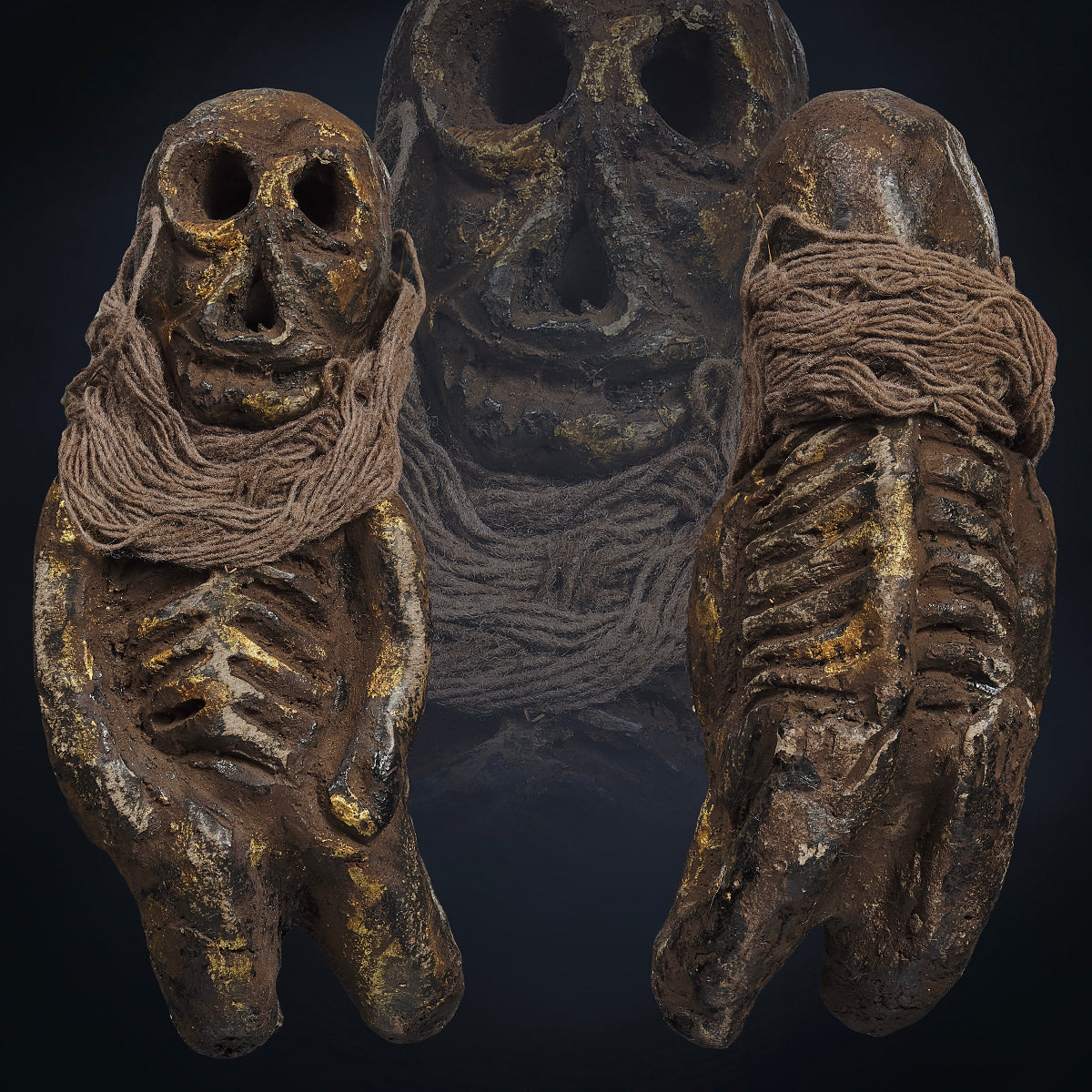
The Prai Kasip figure was formed using a specially prepared mixture of bone ash relic powder, creating its distinctive dark, aged appearance.
Within the body, Por Sala Tan incorporated several materials associated with the deceased and the traditional Wicha of spirit-related talismans.
Naman Prai formed an important part of the preparation, traditionally understood as a medium for establishing a spiritual connection.
Additional sacred relics associated with the Prai Kasip were included to reinforce the intended relationship between the physical artifact and the spirit.
A particularly distinctive feature is the use of Sai Sin from the cremation ceremony, wrapped around the figure.
In this context, the thread was not merely decorative. It was regarded as a material directly associated with the deceased's final rites, strengthening the ritual connection intended by Por Sala Tan.
Together, these materials distinguish Prai Kasip from ordinary powder-based wealth amulets.
━━━━━━━━━━━━━━━━━━━━━━━━━━━━━━━━
Ritual
The preparation of Prai Kasip involved a nine-day and nine-night ritual, during which Por Sala Tan performed the appropriate chanting and spirit-associated Wicha.
The purpose was to establish a connection between the deceased spirit, the sacred materials and the completed artifact.
At the conclusion of the ninth night, a final offering ceremony was conducted, traditionally understood as completing the spiritual binding and awakening process.
Offerings and Maintenance
Unlike ordinary protective amulets, Prai Kasip was traditionally maintained through regular offerings.
-
Alcohol: The principal offering, traditionally presented once a week or at least once a month.
-
Boiled rice and eggs: Optional offerings expressing gratitude and respect.
-
Prayers and merit-making: Performed with the intention of maintaining a respectful relationship and dedicating merit to the departed spirit.
━━━━━━━━━━━━━━━━━━━━━━━━━━━━━━━━
Blessings and Effects
-
Riak Sap: Attracting wealth, customers and favourable financial opportunities.
-
Maha Lap: Unexpected fortune, windfall luck and lottery-related blessings.
-
Pokasap: Preserving accumulated wealth and supporting financial stability.
-
Business Prosperity: Encouraging commercial growth, increased sales and profitable opportunities.
-
Metta Maha Niyom: Gaining goodwill, assistance and favourable treatment during negotiations.
-
Opportunity Attraction: Helping devotees recognise and pursue openings during stagnant or difficult periods.
-
Merit for the Departed: Dedicating good deeds and offerings towards the spiritual welfare of the deceased.
━━━━━━━━━━━━━━━━━━━━━━━━━━━━━━━━
Modern Application
Prai Kasip is particularly associated with individuals involved in business, trading, sales and commercial negotiations.
Its traditional wealth-attracting qualities make it relevant to shop owners, entrepreneurs and individuals seeking improvements in customer flow or business opportunities.
Collectors also associate Prai Kasip with unexpected fortune, although its connection with lottery luck should be regarded as a matter of personal belief rather than a reliable financial method.
Because of its relatively large size and offering tradition, it is more appropriately kept in a designated location within the home, office or business premises.
For devotees familiar with Barang Wicha, the emphasis is not solely on receiving assistance but also on maintaining respect and dedicating merit to the departed.
━━━━━━━━━━━━━━━━━━━━━━━━━━━━━━━━
Physical Details
This Prai Kasip is a substantial three-dimensional figure with a dark brown to black surface, aged texture and scattered traces of gold finishing. The front depicts a skull-like face with deep eye sockets, a pronounced nasal opening and an open mouth. Its compact seated body has folded limbs and a rounded projection at the lower front. Thick lengths of aged grey-brown Sai Sin are wound around the neck, chest and torso, with additional knots securing the binding. The reverse shows a rounded head and heavily wrapped upper body, while the lower section retains the rough, irregular texture of the original hand-moulded material. Its substantial construction makes it particularly suited to altar or stationary placement.
━━━━━━━━━━━━━━━━━━━━━━━━━━━━━━━━
Recommended Pairing
Taowessuwan: Traditionally associated with spiritual guardianship and protection, offering a complementary protective presence alongside Prai Kasip.
Phra Somdej: Suitable for collectors wishing to balance spirit-associated Barang practices with Buddhist devotional symbolism and merit-making.
Phra Pikanet: Associated with wisdom, commercial progress and the removal of obstacles, complementing Prai Kasip's wealth-related intentions.
━━━━━━━━━━━━━━━━━━━━━━━━━━━━━━━━
Personal Notes
Prai Kasip stands apart from many of Por Sala Tan's other creations because of its early period, substantial size, unusual provenance and demanding ritual tradition.
Its origin is closely connected to the life and death of a businessman whose commercial influence was believed to continue through the spirit-associated Wicha employed in its preparation.
The inclusion of cremation Sai Sin, bone ash relic powder and Naman Prai reflects a particularly direct approach to traditional Barang craftsmanship.
What also distinguishes Prai Kasip is its intended relationship between the living devotee and the departed spirit.
Within this belief system, the spirit assists with wealth and opportunity, while the devotee reciprocates through offerings, prayers and merit-making. The ultimate spiritual intention is for the departed to accumulate merit and progress towards a more favourable rebirth or celestial existence.
For collectors of Por Sala Tan's early works, Prai Kasip represents a distinctive example of traditional Northern Thai spirit-related Wicha, combining wealth attraction with the continuing practice of honouring and making merit for the deceased.
━━━━━━━━━━━━━━━━━━━━━━━━━━━━━━━━
-
SG: Free | Worldwide except USA: $20 Registered | USA: $25 Registered / $100 Courier (SGD)