
OOBThaiAmulets
Por Sala Tan
Por Sala Tan
Temple-sourced certified artifacts since 2005. Questions before you buy? WhatsApp us at +65 9155 7000.
Couldn't load pickup availability
Box: PST10
Guman Thong
Por Sala Tan
3cm
Barang Artifact
━━━━━━━━━━━━━━━━━━━━━━━━━━━━━━━━
Each artifact is individually handmade from natural sacred materials, with variations in colour, texture, form and hand-applied Yant inscriptions making every piece unique. Exact piece to be given
━━━━━━━━━━━━━━━━━━━━━━━━━━━━━━━━
Personal Experiences Shared by Luksits
This particular Guman Thong was collected from a villager who had kept it on his household altar for some time.
According to the previous owner, the Guman Thong was especially dependable in matters concerning household protection and assistance in daily life. He regarded it as a spiritual companion that helped safeguard his home and family.
The villager also described receiving what he considered an additional push during difficult situations. When circumstances appeared uncertain or progress had slowed, he felt that unexpected assistance or favourable developments would sometimes arise.
Rather than associating the Guman Thong solely with lottery winnings or sudden wealth, the previous owner placed greater importance on its protective presence, practical assistance and support in overcoming everyday obstacles.
His experience contributed to the personal significance of this particular piece, which had been kept and respected as part of his household altar.
━━━━━━━━━━━━━━━━━━━━━━━━━━━━━━━━
Summary
This Guman Thong by Por Sala Tan is an unusual spirit-associated artifact, hand-carved from a small piece of human remains reportedly recovered following a disturbing incident in a nearby village.
According to the account passed down with the artifact, villagers had repeatedly heard unexplained sounds resembling a baby crying and giggling during the middle of the night. Concerned by these occurrences, they sought assistance from Por Sala Tan.
Through his spiritual practices, Por Sala Tan reportedly traced the disturbances to the remains of a foetus buried behind the village.
After conducting funerary and spiritual rites, he sought permission, according to his beliefs, to use a small portion of the remains to create sacred objects associated with the child's spirit.
Only a handful of the material was carved into Guman Thong figures, while the remaining relics were retained for future use.
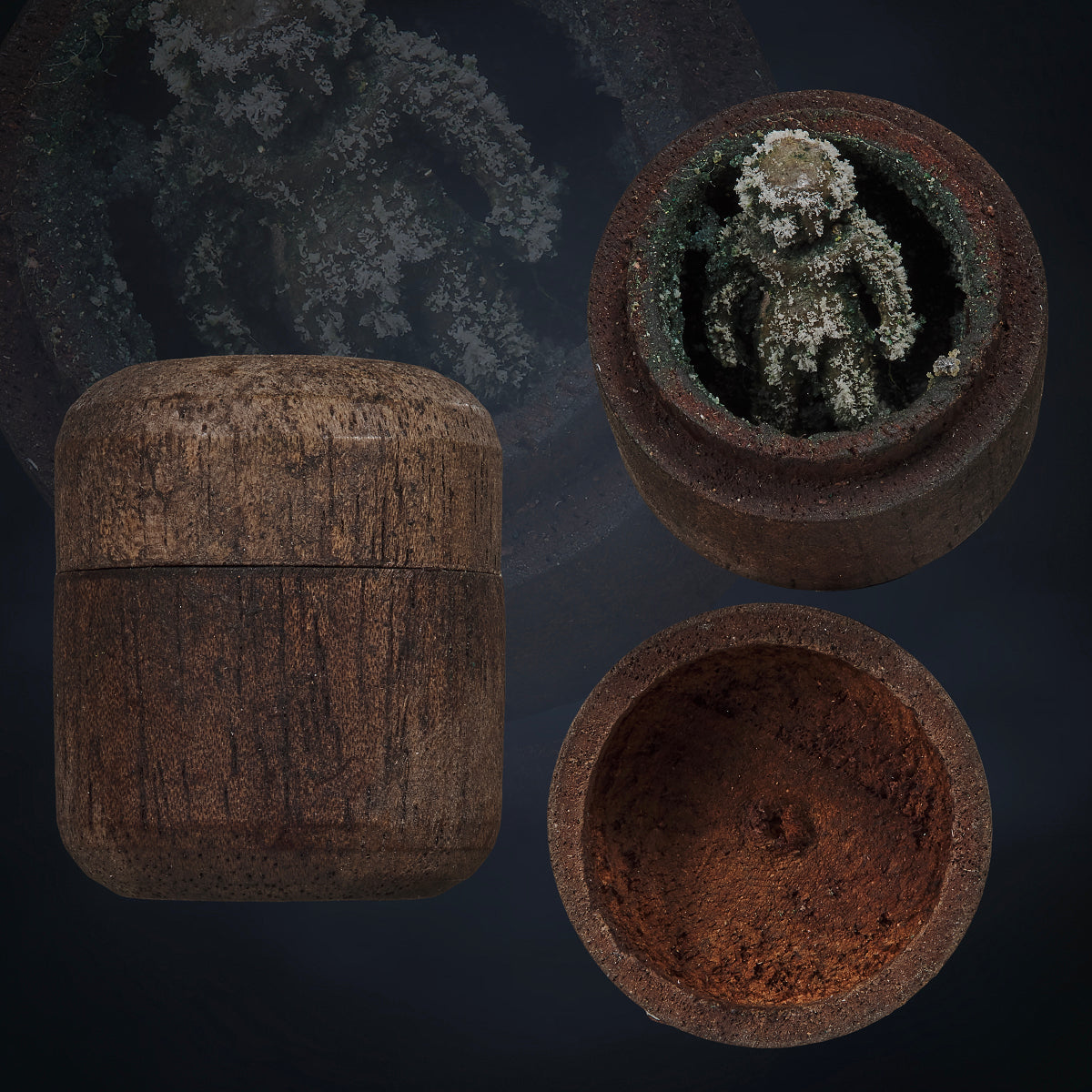
The example presented here is housed inside a small wooden container containing sacred Si Peng, combining the spirit-associated carving with traditional Metta materials.
Its principal associations are household protection, spiritual companionship, assistance in daily affairs and the cultivation of merit through good deeds.
━━━━━━━━━━━━━━━━━━━━━━━━━━━━━━━━
Historical Background
Guman Thong occupies a distinctive place within Thai folk spirituality, particularly traditions involving child spirits and the belief that unseen beings may develop a beneficial relationship with human caretakers.
Historically, Guman Thong practices have taken different forms. Some involve consecrated figures made from sacred powders, clay or wood, while certain older Barang traditions are associated with human remains and funerary materials.
Within these beliefs, a Guman Thong is regarded as a child spirit that may receive offerings, prayers and acts of merit from its caretaker.
In return, devotees traditionally seek assistance with protection, fortune, household wellbeing and everyday difficulties.
The history of this particular Guman Thong began with an unusual occurrence in a village near Por Sala Tan.
Villagers reportedly heard repeated sounds resembling an infant crying and laughing late at night. As these incidents continued, fear and uncertainty spread among some residents.
Por Sala Tan was asked to investigate.
According to the account, his meditation and spirit-communication practices led him to a location behind the village where the remains of a foetus had been buried.
Rather than immediately removing the remains, he conducted appropriate rites intended to acknowledge the deceased child and bring the reported disturbances to an end.
This encounter became the origin of the Guman Thong carvings subsequently prepared from a small portion of the recovered material.
━━━━━━━━━━━━━━━━━━━━━━━━━━━━━━━━
Origins of the Materials
Relic Carving
The principal material is described in the artifact's provenance as a small portion of the foetal remains recovered behind the village.
Following the reported discovery, Por Sala Tan performed funerary rites and sought spiritual permission before retaining a limited amount for sacred-object preparation.
Only a handful of the material was carved into miniature Guman Thong figures.
The remaining relics were reportedly preserved for possible future ritual use.
The material's identity and origin are based on the accompanying account and have not been independently verified.
Sacred Si Peng
The Guman Thong was placed inside a wooden vessel together with Si Peng, a traditional sacred preparation associated with Metta Maha Niyom, goodwill and favourable relationships.
Within Por Sala Tan's Barang practices, Si Peng is valued for its attraction-related symbolism and its association with harmonious interactions.
Its inclusion complements the Guman Thong's traditional role as a spiritual companion.
Wooden Spirit Vessel
The carving is housed inside a small, fitted wooden container.
The vessel serves both as physical protection for the delicate figure and as its designated resting place within the traditional spiritual interpretation of the artifact.
━━━━━━━━━━━━━━━━━━━━━━━━━━━━━━━━
Ritual
The preparation of this Guman Thong began with Por Sala Tan's reported investigation of the unexplained disturbances in the village.
According to the account, he entered meditation and performed spiritual communication practices to understand the cause of the incidents.
After locating the buried remains, he conducted funerary and merit-related ceremonies intended to acknowledge the deceased child.
Por Sala Tan then reportedly sought spiritual permission to use a small portion of the remains to create a Guman Thong.
The stated purpose was not simply to obtain assistance for future owners, but to establish a relationship through which the child spirit could perform beneficial acts and receive merit in return.
A limited number of small figures were subsequently carved from the retained material.
The example presented here was placed within a wooden vessel containing sacred Si Peng, creating a dedicated resting place for the Guman Thong.
━━━━━━━━━━━━━━━━━━━━━━━━━━━━━━━━
Blessings and Effects
The Guman Thong is traditionally associated with:
-
Household Protection: Safeguarding the home, family and personal surroundings.
-
Spiritual Companionship: A perceived connection between the caretaker and the child spirit.
-
Assistance in Daily Life: Support during difficulties and uncertain circumstances.
-
Chok Lap: Good fortune and favourable opportunities.
-
Kha Khai: Customer attraction and business assistance.
-
Metta Maha Niyom: Goodwill, harmony and favourable relationships.
-
Overcoming Obstacles: Helping circumstances progress when difficulties arise.
-
Merit-Making: The traditional belief that beneficial actions may contribute to the spirit's accumulation of merit.
Its strongest reported qualities are household protection and practical assistance, as described by the previous owner.
━━━━━━━━━━━━━━━━━━━━━━━━━━━━━━━━
Modern Application
This Guman Thong is particularly relevant to collectors familiar with traditional Barang Wicha and spirit-associated sacred objects.
Its history makes it more specialised than conventional Guman Thong figures produced from sacred powders or ordinary carving materials.
Within traditional practice, such objects are generally treated as spiritual companions rather than decorative collectibles.
The previous owner's experience suggests a particular association with home protection, family wellbeing and assistance during everyday challenges.
Collectors who maintain household altars may appreciate the original wooden vessel, which provides a designated resting place for the carving.
The accompanying belief in merit-making also places emphasis on kindness, generosity and responsible conduct, rather than expecting benefits without reciprocal good actions.
━━━━━━━━━━━━━━━━━━━━━━━━━━━━━━━━
Physical Details
The Guman Thong consists of a small hand-carved humanoid figure housed within a compact cylindrical wooden container with a fitted lid. The exterior displays a dark brown natural wood grain, with a rounded upper section and a visible seam where the lid meets the body. Inside, the miniature figure stands within a recessed chamber, surrounded by dark material and areas of pale, granular residue. The carving has a weathered surface with irregular deposits and muted greenish-brown tones. The interior of the lid displays reddish-brown wood, while the vessel's simple construction contrasts with the unusual sacred contents. The entire artifact retains an aged, rustic appearance consistent with a personally prepared spirit vessel rather than a commercially manufactured amulet.
━━━━━━━━━━━━━━━━━━━━━━━━━━━━━━━━
Recommended Pairing
Phra Somdej: Provides a complementary emphasis on Buddhist blessings, Baramee and spiritual stability.
Phra Kring: Traditionally associated with wellbeing, protection and auspicious blessings.
Tao Wessuwan: Complements the Guman Thong through traditional associations with spiritual protection and authority over unseen influences.
Nang Kwak: Suitable for those seeking to complement the Guman Thong's household and personal assistance associations with business prosperity and customer goodwill.
━━━━━━━━━━━━━━━━━━━━━━━━━━━━━━━━
Personal Notes
The significance of this Guman Thong by Por Sala Tan lies primarily in its unusual origin and the circumstances surrounding its creation.
According to the account, Por Sala Tan was initially approached not to make an amulet, but to assist villagers troubled by unexplained nighttime sounds.
The reported discovery of the buried foetal remains led him to conduct funerary rites before preparing a limited number of Guman Thong carvings.
An important aspect of the story is Por Sala Tan's stated intention that the spirit should have an opportunity to perform good deeds and accumulate merit, rather than remain associated with fear and disturbance.
The decision to house the carving within a wooden vessel containing sacred Si Peng further distinguishes it from conventional Guman Thong figures.
This particular example also carries a personal collecting history.
It was obtained from a villager who had previously kept it on his household altar and regarded it as especially helpful for protecting his home and providing additional support during difficult periods.
For collectors, the artifact brings together three significant elements: the reported village encounter, Por Sala Tan's funerary and spiritual preparations, and the previous owner's personal experience of household protection.
Its appeal is therefore not limited to the traditional pursuit of fortune. It represents a particular strand of Por Sala Tan's Barang practices in which spiritual companionship, protection, merit-making and assistance in everyday life are closely connected.
━━━━━━━━━━━━━━━━━━━━━━━━━━━━━━━━
-
SG: Free | Worldwide except USA: $20 Registered | USA: $25 Registered / $100 Courier (SGD)