
OOBThaiAmulets
Por Sala Tan
Por Sala Tan
Temple-sourced certified artifacts since 2005. Questions before you buy? WhatsApp us at +65 9155 7000.
Couldn't load pickup availability
Suer Maha Kongkrapan
Por Sala Tan
3.5 Inches
Mainstream Artifact
━━━━━━━━━━━━━━━━━━━━━━━━━━━━━━━━
Each artifact is individually handmade from natural sacred materials, with variations in colour, texture, form and hand-applied Yant inscriptions making every piece unique. Exact piece to be given
━━━━━━━━━━━━━━━━━━━━━━━━━━━━━━━━
Personal Experiences Shared by Luksits
Among devotees of Por Sala Tan, suer artifacts are traditionally valued for their strong association with protection, courage and resistance against danger.
Those familiar with Burmese and Shan tiger Wicha particularly appreciate artifacts prepared for people living or travelling through remote forests, where encounters with wild animals and difficult terrain were genuine concerns.
This particular batch carries an unusual account of its consecration. According to those present, tiger roars were heard from the surrounding forest during the blessing, while tiger footprints were reportedly discovered near the village afterwards.
It is also selected by individuals in high-risk occupations or those exposed to unpredictable environments. Daily use can reinforce personal influence and safeguard against unseen challenges.
━━━━━━━━━━━━━━━━━━━━━━━━━━━━━━━━
Summary
An uncommon Suer Maha Kongkrapan artifact prepared through the combined tiger Wicha of Por Sala Tan and a Burmese Weizza.
The Weizza supplied pieces of Nang Suer and requested Por Sala Tan to create protective artifacts using these materials.
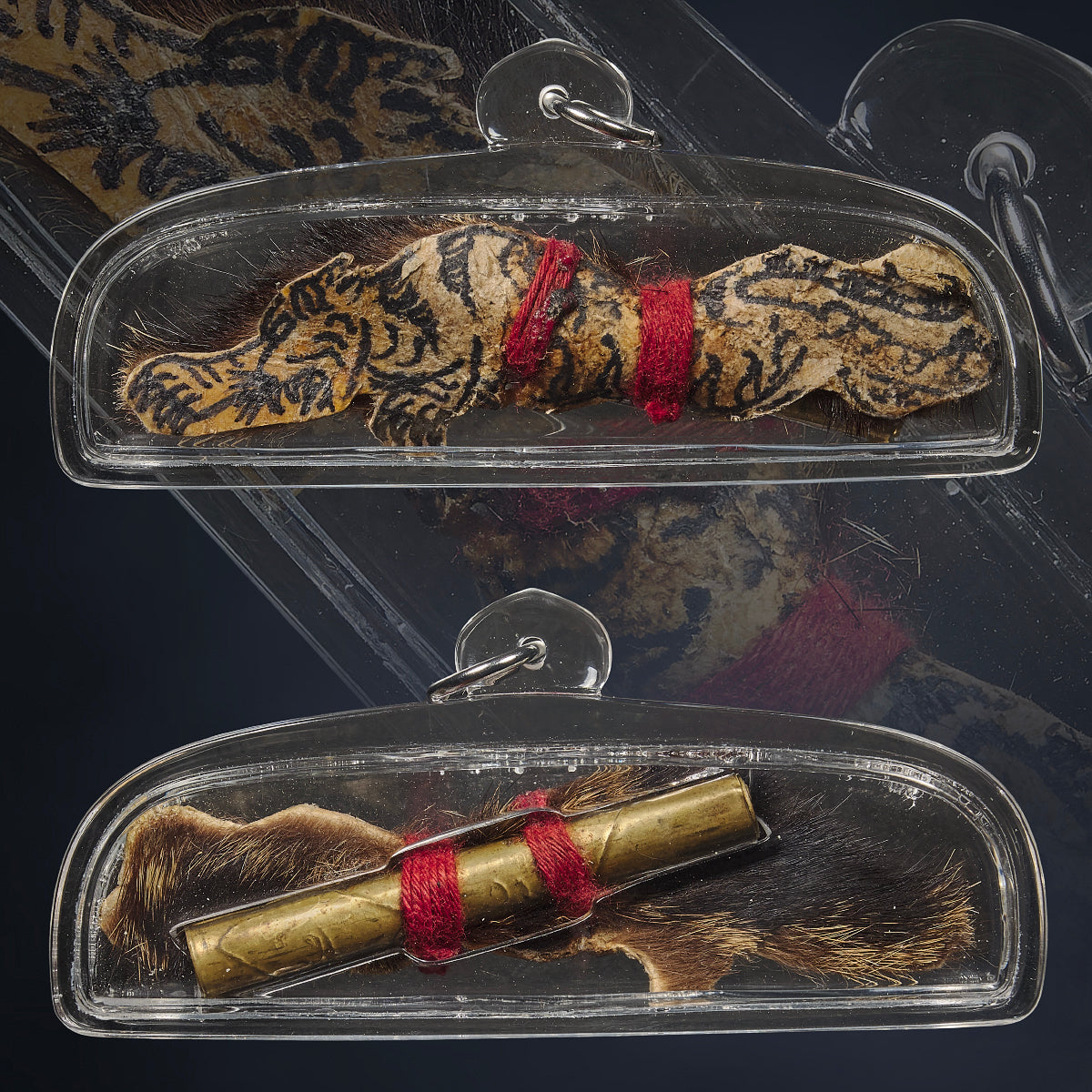
Each piece was carefully painted with a tiger image, while a handwritten protective takrut was secured to the reverse using saisin.
The completed artifacts underwent a joint consecration incorporating Por Sala Tan's Suer Wicha and the Burmese Weizza's own traditional tiger practices.
Most were intended for villagers living near forested areas, while a portion was presented to Por Sala Tan.
━━━━━━━━━━━━━━━━━━━━━━━━━━━━━━━━
Historical Background
Tiger-related Wicha has a longstanding place within Thai, Shan and Burmese occult traditions, particularly in communities where forests, mountains and wildlife formed part of everyday life.
The tiger represents strength, courage, territorial authority and survival. These characteristics became associated with protective charms intended for travellers, hunters and villagers exposed to physical danger.
Within Shan and Burmese esoteric traditions, tiger imagery also appears in protective tattoos, sacred inscriptions and charms associated with Kongkrapan, Klaew Klaad and forest protection.
Burmese Weizza traditions encompass various forms of esoteric practice, including meditation, sacred formulas and protective ritual knowledge. Individual practitioners may also preserve specialised tiger-related methods.
This particular batch is significant because it brings together two separate traditions of Suer Wicha, rather than relying on the ritual knowledge of a single master.
━━━━━━━━━━━━━━━━━━━━━━━━━━━━━━━━
Origins of the Materials
The principal material is Nang Suer, reportedly supplied directly to Por Sala Tan by a Burmese Weizza.
The tiger skin served as the foundation for each artifact, retaining its natural fur and hide while providing a surface for the painted tiger image.
A handwritten protective takrut was added to the reverse, intended to strengthen the artifact's traditional protection against danger and harmful influences.
Saisin was used to secure the components together, completing the combination of natural tiger material, sacred imagery and protective inscriptions.
The use of Nang Suer is particularly relevant to this batch, as the material itself carries the tiger symbolism central to both masters' Wicha.
━━━━━━━━━━━━━━━━━━━━━━━━━━━━━━━━
Ritual
The Burmese Weizza approached Por Sala Tan with several pieces of Nang Suer and requested that protective artifacts be created from them.
Por Sala Tan carefully prepared the tiger imagery and attached the protective takruts before the completed pieces underwent consecration.
The principal significance of this batch lies in its joint blessing by Por Sala Tan and the Burmese Weizza.
Por Sala Tan employed his established Suer Wicha, while the Weizza contributed his own Burmese tiger-related ritual practices.
According to the account surrounding the ceremony, several attendees reported hearing tiger roars from the nearby forest during the consecration.
Afterwards, tiger footprints were reportedly found outside the village, an occurrence devotees interpreted as an auspicious sign associated with the ritual.
Following the ceremony, most of the artifacts were taken back to Burma for villagers living in forested regions. A smaller portion was gifted to Por Sala Tan.
━━━━━━━━━━━━━━━━━━━━━━━━━━━━━━━━
Blessings and Effects
-
Kongkrapan and Klaew Klaad: Traditionally associated with bodily protection, resilience and avoidance of danger.
-
Forest and Wildlife Protection: Intended to provide spiritual protection for villagers and travellers exposed to forest hazards and wild animals.
-
Maha Amnaj and Courage: Believed to strengthen confidence, personal authority and determination when facing threatening situations.
-
Protection Against Harmful Influences: Associated with warding off hostile intentions, spiritual disturbances and misfortune.
━━━━━━━━━━━━━━━━━━━━━━━━━━━━━━━━
Modern Application
Although originally prepared primarily for villagers living near forests, this artifact remains relevant to devotees seeking traditional personal protection and courage.
It may appeal particularly to individuals whose work involves travel, outdoor environments, unfamiliar locations or difficult interpersonal situations.
The combined symbolism of Nang Suer, protective takrut and dual Suer Wicha consecration makes it a distinctive example of a protective artifact rather than one principally concerned with attraction or wealth.
Its spiritual associations should be understood as traditional beliefs and not as a substitute for practical safety precautions.
━━━━━━━━━━━━━━━━━━━━━━━━━━━━━━━━
Physical Details
The artifact consists of a narrow, irregular strip of Nang Suer, with natural brown fur visible along its edges. One surface bears a carefully hand-painted tiger illustration in black, showing the animal's face, body and distinctive striped markings across the pale hide. Two sections of bright red saisin secure the material around the central portion. The reverse carries a rolled metal takrut, displaying aged brass-coloured surfaces and faint inscribed markings, positioned lengthwise against the fur-covered hide. The complete piece is preserved within an elongated transparent protective casing fitted with a suspension ring.
━━━━━━━━━━━━━━━━━━━━━━━━━━━━━━━━
Recommended Pairing
Phra Kring: To complement the artifact's strong protective character with traditional Buddhist blessings for wellbeing, spiritual balance and protection.
Tao Wessuwan: For devotees seeking additional traditional protection against malevolent influences and spiritual disturbances.
Lersi: Particularly suitable for those who appreciate forest-related Wicha, meditation traditions and the protective knowledge associated with traditional masters.
━━━━━━━━━━━━━━━━━━━━━━━━━━━━━━━━
Personal Notes
What makes this Suer Maha Kongkrapan particularly noteworthy is the collaboration between Por Sala Tan and a Burmese Weizza.
The Nang Suer was not simply acquired as a material for ordinary production. It was personally supplied by the Weizza, who requested Por Sala Tan's assistance in creating protective artifacts for villagers.
Both masters subsequently contributed their respective tiger Wicha during the consecration, giving the batch a distinctive connection to Thai and Burmese protective traditions.
The accounts of tiger roars during the ceremony and footprints appearing afterwards remain an important part of the batch's oral history.
With most pieces reportedly returned to Burma and only a portion retained by Por Sala Tan, this artifact represents a less commonly encountered aspect of his work.
Its central significance is protection, courage and survival, reflecting the original intention of safeguarding people living and travelling through the forests.
━━━━━━━━━━━━━━━━━━━━━━━━━━━━━━━━
-
SG: Free | Worldwide except USA: $20 Registered | USA: $25 Registered / $100 Courier (SGD)