
OOBThaiAmulets
Por Sala Tan
Por Sala Tan
Temple-sourced certified artifacts since 2005. Questions before you buy? WhatsApp us at +65 9155 7000.
Couldn't load pickup availability
Box: PST10
Lersi Um Dek
Por Sala Tan
3 Inches
Barang Artifact
━━━━━━━━━━━━━━━━━━━━━━━━━━━━━━━━
Each artifact is individually handmade from natural sacred materials, with variations in colour, texture, form and hand-applied Yant inscriptions making every piece unique. Exact piece to be given
━━━━━━━━━━━━━━━━━━━━━━━━━━━━━━━━
Personal Experiences Shared by Luksits
This particular Lersi Holding a Child was originally kept on the personal altar of AC Lek, where I first encountered it during a visit.
I was particularly drawn to its unusual representation of a Lersi holding a young child, an image seldom encountered among Por Sala Tan's traditional Lersi carvings. After learning more about its background, I asked AC Lek whether I could acquire the piece.
What makes this artifact especially meaningful is its association with household harmony, family protection and the safeguarding of children.
Unlike the more commanding representations of Lersi associated with authority and Suer Wicha, this particular image expresses a gentler aspect of the hermit tradition — that of a spiritual guardian who protects, nurtures and imparts wisdom to those under his care.
Its earlier placement on AC Lek's altar also gives the piece a personal connection to a practising devotee of traditional Lanna Wicha.
━━━━━━━━━━━━━━━━━━━━━━━━━━━━━━━━
Summary
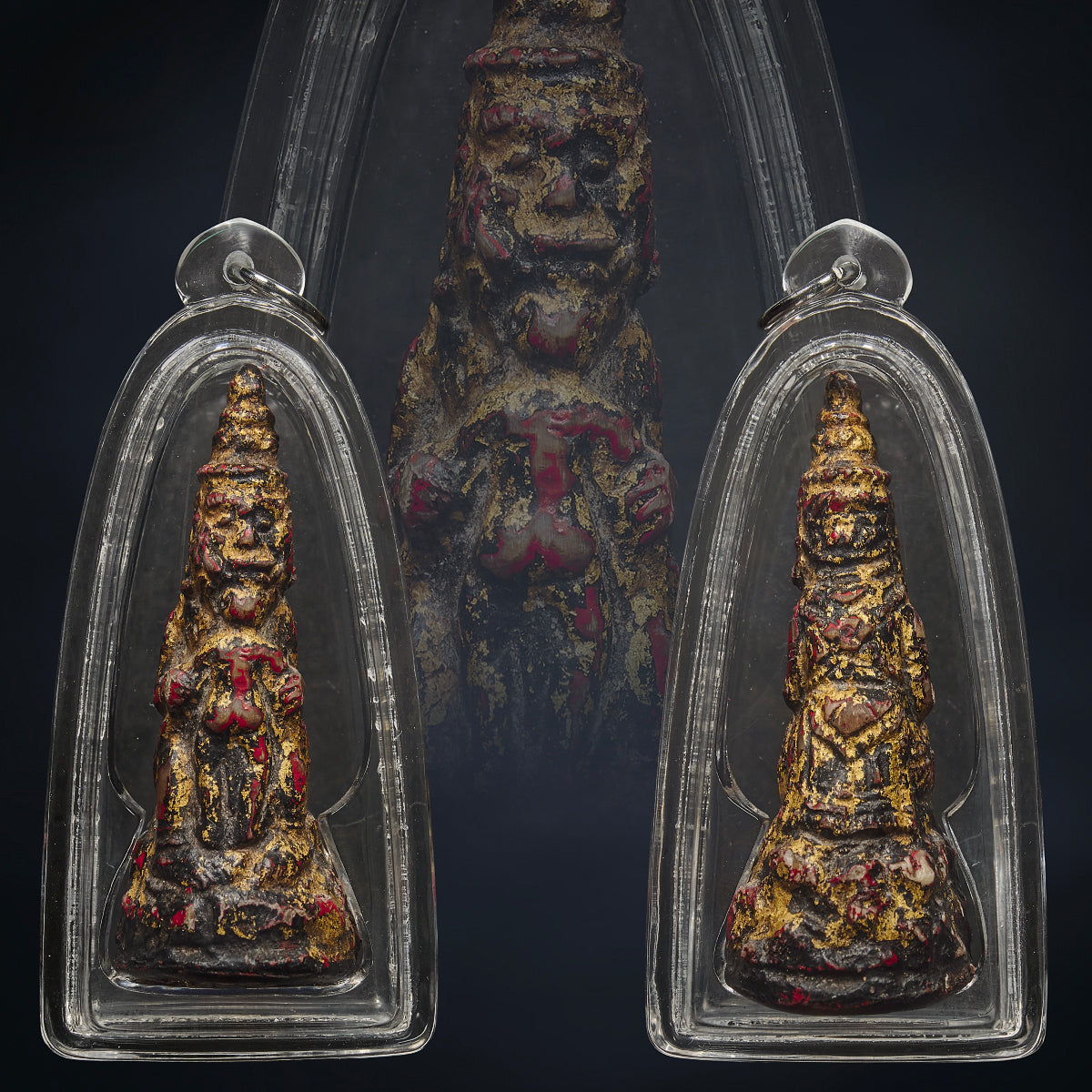
An unusual creation by Por Sala Tan, this artifact depicts a seated Lersi holding a young child, individually carved from Graduk Kwai Faa Pha, the bone of a buffalo reportedly killed by lightning.
The image symbolises the Lersi's role as a protector, guardian and spiritual teacher, offering shelter from harmful influences while guiding the young towards wisdom and maturity.
The carving was finished with layers of Burmese red herbal lacquer, black sacred herbal lacquer and gold paint. Its base contains soil collected from the field where the buffalo died, together with Lersi relic material and a takrut.
This particular artifact is traditionally associated with family protection, household harmony, spiritual guidance and the well-being of children.
━━━━━━━━━━━━━━━━━━━━━━━━━━━━━━━━
Historical Background
Within Thai and Lanna folklore, Lersi are revered as hermit sages who possess spiritual knowledge, medicinal understanding and mastery of protective Wicha.
Beyond their roles as teachers and ritual practitioners, Lersi also appear in regional legends as compassionate guardians who rescue, shelter and raise abandoned or vulnerable children.
One notable example is the Northern Thai legend of Sudeva, the hermit associated with the founding traditions of Hariphunchai. In this narrative, the hermit takes responsibility for a young girl who later becomes Queen Chamadevi.
Such stories establish the Lersi as more than a figure of spiritual authority. He is also a guardian and educator, responsible for nurturing those entrusted to his care.
The image of a Lersi holding a child draws upon this broader tradition of protection, compassion and the transmission of wisdom between generations.
━━━━━━━━━━━━━━━━━━━━━━━━━━━━━━━━
Origins of the Materials
The principal material is Graduk Kwai Faa Pha, bone obtained from a buffalo reportedly killed by lightning.
Within traditional Lanna occult belief, the remains of an animal struck by lightning are considered particularly significant because of their association with powerful natural and elemental forces.
Such materials are uncommon and have traditionally been valued by practitioners for creating protective artifacts.
Buffalo remains also carry the symbolism of strength, endurance and guardianship, reflecting the animal's importance in rural agricultural life.
The base contains additional sacred materials:
-
Soil from the field where the buffalo died: Preserving the artifact's connection to the location of the lightning strike.
-
Lersi relic material: Traditionally associated with spiritual knowledge, protection and Lersi Wicha.
-
Takrut: An inscribed sacred scroll incorporated to complement the artifact's protective purpose.
The carving was subsequently finished with Burmese red herbal lacquer, followed by a layer of black sacred herbal lacquer and gold paint.
These traditional coatings contribute to its distinctive appearance and form part of Por Sala Tan's preparation of the artifact.
━━━━━━━━━━━━━━━━━━━━━━━━━━━━━━━━
Ritual
Por Sala Tan carved the image of a Lersi holding a child directly from the selected piece of Graduk Kwai, carefully preserving the natural form of the material.
The carving was prepared with successive layers of sacred herbal lacquer, beginning with a Burmese red herbal mixture, followed by black herbal lacquer and a final application of gold paint.
The prepared soil, Lersi relic material and takrut were incorporated into the base, completing the artifact's traditional protective composition.
The finished piece was subsequently kept on AC Lek's personal altar.
Within the Lersi tradition, such an image serves as a devotional focus for seeking blessings of household protection, family harmony and spiritual guidance.
━━━━━━━━━━━━━━━━━━━━━━━━━━━━━━━━
Blessings and Effects
-
Family and Household Protection: Traditionally believed to safeguard loved ones, particularly children, against harmful influences and spiritual disturbances.
-
Harmony and Loving-Kindness: Associated with peaceful family relationships, compassion and mutual understanding.
-
Wisdom and Guidance: Symbolises the Lersi's role in nurturing knowledge, sound judgement and personal development.
-
Stability and Well-Being: Invoked for a secure household, resilience and favourable circumstances for family members.
━━━━━━━━━━━━━━━━━━━━━━━━━━━━━━━━
Modern Application
This Lersi artifact is particularly suitable for devotees who place importance on family well-being, protection of children and harmony within the home.
Its imagery makes it meaningful for parents and guardians seeking a traditional spiritual symbol of care, responsibility and guidance.
It may also appeal to individuals who wish to cultivate patience, compassion and wisdom when caring for younger family members.
The artifact can be worn as a personal protective talisman or respectfully placed on a household altar, where it serves as a reminder of the Lersi's protective and nurturing role.
Its significance lies not only in warding against unwanted influences but also in encouraging a peaceful and supportive home environment.
━━━━━━━━━━━━━━━━━━━━━━━━━━━━━━━━
Physical Details
This Lersi artifact is individually carved from Graduk Kwai, depicting a seated hermit with a tall traditional headdress and a young child held securely before his body. The Lersi's facial features, robes and the child's smaller figure are defined through hand-carved details. The surface has a dark, aged appearance, with visible layers of red and black lacquer beneath irregular applications of gold paint. These contrasting finishes accentuate the figure's features and give the carving a distinctive traditional character. The lower section forms a broad pedestal containing the prepared sacred materials. The artifact is housed within a fitted transparent protective casing with a metal suspension ring.
━━━━━━━━━━━━━━━━━━━━━━━━━━━━━━━━
Recommended Pairing
Phra Somdej: Complements the Lersi's protective symbolism with traditional Buddhist blessings associated with peace, compassion and household well-being.
Phra Pikanet: Traditionally associated with wisdom, overcoming obstacles and favourable beginnings, particularly meaningful for family development and children's education.
Taowessuwan: Provides a complementary guardian symbolism for household protection and safeguarding loved ones against harmful spiritual influences.
━━━━━━━━━━━━━━━━━━━━━━━━━━━━━━━━
Personal Notes
Among Por Sala Tan's Lersi creations, this particular piece stands out for its unusual depiction of a hermit holding a child.
Many Lersi artifacts emphasise spiritual authority, meditation, protection or mastery of specialised Wicha. This carving instead presents the Lersi in a compassionate role, caring for a young child while offering protection and guidance.
The symbolism is particularly meaningful: the child represents innocence and vulnerability, while the Lersi represents wisdom, experience and spiritual guardianship.
Its construction from lightning-struck buffalo bone adds another dimension to the piece, combining the traditional protective associations of the material with the nurturing imagery of the carving.
The use of Burmese red herbal lacquer, black sacred herbal lacquer and gold paint further distinguishes it from more conventional Lersi artifacts.
I originally encountered this piece on AC Lek's altar and was drawn to its unusual appearance and meaning. Its previous ownership, together with Por Sala Tan's distinctive choice of materials and imagery, makes it a particularly interesting example of his individual creations.
Rather than representing protection through aggression or commanding force, this Lersi expresses protection through compassion, responsibility and wisdom — qualities especially meaningful within the family and household.
━━━━━━━━━━━━━━━━━━━━━━━━━━━━━━━━
-
SG: Free | Worldwide except USA: $20 Registered | USA: $25 Registered / $100 Courier (SGD)