
OOBThaiAmulets
Por Sala Tan
Por Sala Tan
Temple-sourced certified artifacts since 2005. Questions before you buy? WhatsApp us at +65 9155 7000.
Couldn't load pickup availability
Box: PST10
Suer Bon Phu – Tiger on the Hill
Por Sala Tan
around 1.5 Inches
Mainstream Artifact
━━━━━━━━━━━━━━━━━━━━━━━━━━━━━━━━
Sacred Craftsmanship
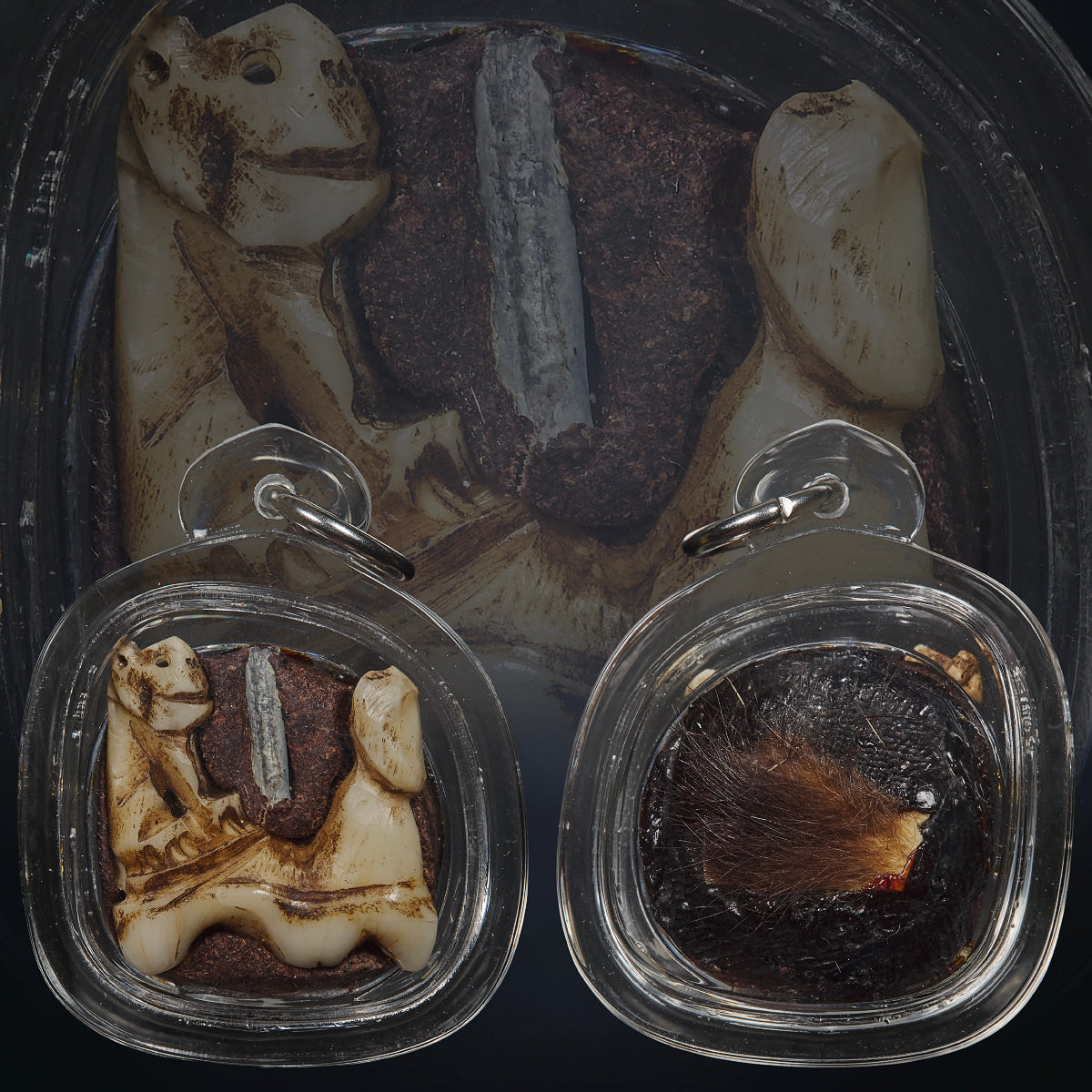
Suer Bon Phu (Tiger on the Hill) is a traditional authority talisman individually hand-carved by Por Sala Tan, a Northern Thai ritual master associated with the old Wicha traditions of Fang.
Each artifact is individually handmade from carefully prepared sacred materials. Natural variations in texture, colour, carving and form make every piece unique.
Exact piece to be given
━━━━━━━━━━━━━━━━━━━━━━━━━━━━━━━━
Personal Experiences Shared by Luksits
Among older collectors from Fang, these tiger amulets are particularly remembered by individuals who struggled with confidence or found themselves frequently overshadowed by stronger personalities.
Some collectors described becoming more comfortable speaking firmly, making decisions and standing their ground during disagreements. Rather than becoming aggressive, they felt less inclined to retreat or remain silent when their opinions mattered.
Business owners and sales professionals also associated the tiger with stronger negotiating confidence. They valued it during situations where hesitation could cost a sale, particularly when making a final recommendation, discussing prices or dealing with demanding customers.
For those facing workplace rivalry or difficult colleagues, the tiger was regarded as a companion for maintaining composure, establishing boundaries and resisting intimidation.
━━━━━━━━━━━━━━━━━━━━━━━━━━━━━━━━
Summary
Suer Bon Phu by Por Sala Tan is a hand-carved Northern Thai tiger talisman traditionally associated with Maha Amnaj, leadership, decisiveness, courage and protection against hidden hostility.
Its elevated tiger imagery represents the ability to command one's surroundings without unnecessary aggression.
Prepared through Por Sala Tan's inherited Wicha and associated with the fire ritual lineage of Lersi Ser Ming Pai, these pieces were especially valued by individuals seeking greater confidence in business, professional responsibilities and personal relationships.
The central purpose is not simply to attract goodwill, but to develop the authority and presence needed to turn opportunities into results.
━━━━━━━━━━━━━━━━━━━━━━━━━━━━━━━━
Historical Background
The Tiger on the Hill draws upon older Northern Thai mountain traditions associated with hunters, caravan leaders, traders and village protectors operating around the Thailand–Burma border.
Within these traditions, the tiger represented courage, territorial command and the instinct to recognise danger before it became a threat.
A tiger positioned above elevated ground carried additional significance. Its commanding position symbolised awareness, control and the ability to remain undisturbed by surrounding influences.
Por Sala Tan adapted this symbolism into wearable talismans suited to modern occupations.
Rather than emphasising aggression, his interpretation focused on controlled authority — the confidence to make decisions, speak with conviction and resist pressure from others.
This made the Tiger on the Hill particularly meaningful to merchants, transport operators, business owners and individuals working in competitive environments.
━━━━━━━━━━━━━━━━━━━━━━━━━━━━━━━━
Origins of the Materials
Por Sala Tan's Tiger on the Hill carvings were traditionally prepared from selected sacred materials, including graduk chamut and graduk suer, obtained through older Northern Thai ritual networks.
These materials were valued within his Wicha for their associations with survival instinct, courage, territorial authority and protection against hidden enemies.
Certain examples were reinforced with mountain soil and consecrated takruts, incorporated beneath or behind the carving.
Mountain soil was traditionally regarded as a grounding component, balancing the fiercer qualities associated with the tiger while reinforcing stability and self-control.
The takruts provided additional ritual support for authority, protection and resistance against hostile influences.
━━━━━━━━━━━━━━━━━━━━━━━━━━━━━━━━
Ritual
The consecration followed a traditional fire-based Wicha associated with Lersi Ser Ming Pai, a lineage through which Por Sala Tan practised rituals concerned with courage, authority and active spiritual force.
During preparation, Por Sala Tan would chant sacred mantras while personally shaping the tiger.
The carving was not treated as a separate artistic process. Each movement of the carving tool formed part of the ritual work, with the intended qualities of Amnaj, decisiveness and fearlessness incorporated throughout its creation.
Where applicable, mountain soil and takruts were subsequently inserted to reinforce the completed talisman.
The fire ritual was traditionally understood to awaken the tiger's commanding qualities, while the grounding materials helped maintain balance and prevent excessive aggression.
The completed piece was then consecrated according to Por Sala Tan's inherited Wicha.
━━━━━━━━━━━━━━━━━━━━━━━━━━━━━━━━
Blessings and Effects
The Tiger on the Hill is traditionally associated with:
-
Maha Amnaj: Authority, commanding presence and leadership.
-
Decisiveness: Confidence in making important decisions.
-
Courage: Overcoming hesitation, fear and intimidation.
-
Business Authority: Firmer negotiations and confidence in closing deals.
-
Anti-Backstabber Protection: Traditionally sought against jealousy, betrayal and hidden hostility.
-
Personal Presence: Stronger communication, assertiveness and self-respect.
-
Klaew Klaad: Protection from danger and unfavourable situations.
Its principal emphasis is controlled strength and authority, rather than aggression or domination.
━━━━━━━━━━━━━━━━━━━━━━━━━━━━━━━━
Modern Application
Suer Bon Phu is particularly relevant to individuals whose responsibilities require confidence, initiative and clear communication.
Business owners, sales professionals and entrepreneurs traditionally carry these pieces during negotiations, important meetings and situations requiring decisive action.
Managers and executives may appreciate the tiger's symbolism of leadership, particularly when dealing with difficult personalities, workplace politics or demanding responsibilities.
For naturally quiet or reserved individuals, the tiger represents the ability to establish boundaries and express opinions without unnecessary confrontation.
The talisman is also associated with personal confidence and stronger social presence, where self-assurance and composure are considered important.
Its compact dimensions allow discreet everyday wear or carrying in a pocket or bag.
━━━━━━━━━━━━━━━━━━━━━━━━━━━━━━━━
Physical Details
These Tiger on the Hill amulets are individually hand-carved by Por Sala Tan, typically measuring approximately 2–2.5 cm. The principal image features a tiger positioned upon elevated terrain, representing territorial authority and commanding presence. Depending on the individual piece, the carving may be prepared from graduk chamut or graduk suer, with selected examples incorporating mountain soil and consecrated takruts beneath the carving. Natural differences in colour, grain, surface texture and hand-carved details are characteristic of these individually prepared talismans.
━━━━━━━━━━━━━━━━━━━━━━━━━━━━━━━━
Recommended Pairing
Khun Paen: Complements the tiger's authority with Metta Maha Niyom, personal attraction and harmonious relationships.
Salika: Traditionally paired for persuasive speech, communication and favourable interactions, particularly during negotiations and business discussions.
Combining Suer Bon Phu with Metta-oriented amulets reflects the traditional approach of balancing firm authority with goodwill and approachability.
━━━━━━━━━━━━━━━━━━━━━━━━━━━━━━━━
Personal Notes
What distinguishes Por Sala Tan's Tiger on the Hill is its emphasis on authority without unnecessary aggression.
Many individuals naturally possess kindness, patience and the ability to maintain good relationships. However, these qualities do not always translate into confidence when making decisions, negotiating or defending one's position.
Por Sala Tan's interpretation of the tiger addressed this distinction.
The elevated tiger represents an individual who understands when to remain calm and when to act decisively. Its strength lies not in constant confrontation, but in knowing when to assert authority.
Among older Fang collectors, these carvings were particularly appreciated as practical talismans for business and everyday responsibilities rather than objects intended solely for physical protection.
The combination of hand-carved tiger imagery, fire-based Wicha and grounding ritual materials reflects Por Sala Tan's approach to balancing courage with discipline.
For collectors seeking an artifact associated with Maha Amnaj, leadership, decisiveness and protection against hidden hostility, Suer Bon Phu remains a distinctive example of his Northern Thai ritual craftsmanship.
━━━━━━━━━━━━━━━━━━━━━━━━━━━━━━━━
-
SG: Free | Worldwide except USA: $20 Registered | USA: $25 Registered / $100 Courier (SGD)