
OOBThaiAmulets
Por Sala Tan
Por Sala Tan
Temple-sourced certified artifacts since 2005. Questions before you buy? WhatsApp us at +65 9155 7000.
Couldn't load pickup availability
BOX: PST10
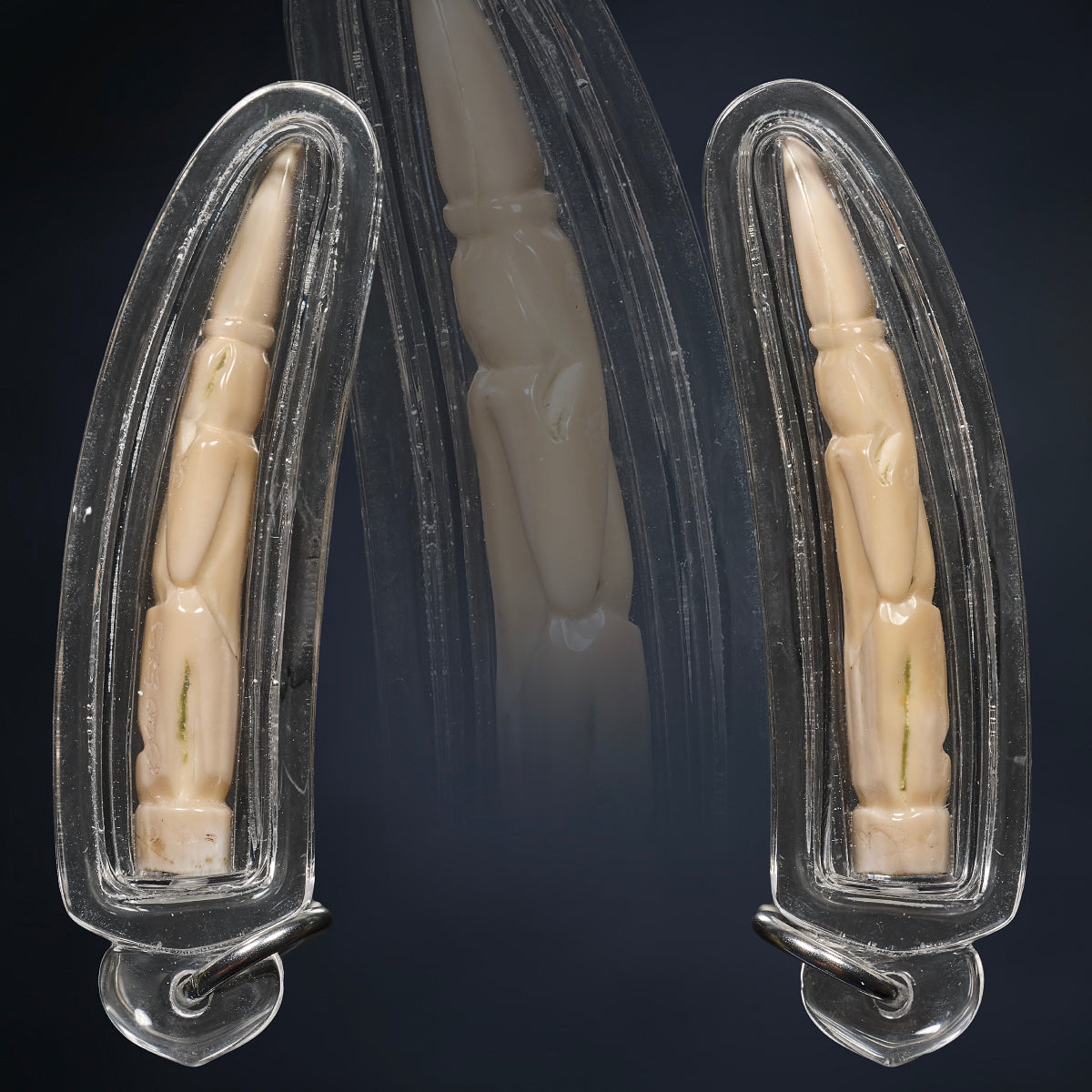
Palakit Pidta Khum Sap - Por Sala Tan
- Master / Lineage: Por Sala Tan
- Materials: Nga Chang, hand-carved as Palakit Pidta Khum Sap
- Size: 2 inches (height)
- Casing: Clear plastic casing
- Exact piece to be given
Personal Notes
What distinguishes Palakit Pidta Khum Sap is the meeting of two established strands of Thai sacred symbolism in a compact, individually carved form: the Palakit and Phra Pidta.
According to Por Sala Tan’s luksits, only a small number of these pieces were prepared, often according to the circumstances of particular devotees. One account concerns a woman who had inherited land and was being pressed by relatives to sell quickly. After receiving a Palakit Pidta Khum Sap, she took time to obtain independent advice and a separate valuation. The land was worth considerably more than she had been told. She retained the property and later leased part of it, creating a stable source of income for her family.
For those who related the account, the experience reflected the character of Khum Sap particularly well: attracting opportunity is important, and recognising, protecting and retaining what one already possesses is equally valuable.
Summary
Palakit Pidta Khum Sap is an uncommon hand-carved work by Por Sala Tan. The Palakit is traditionally associated with vitality, prosperity, Metta Maha Niyom, favourable commerce and protection, while Phra Pidta represents restraint of the senses, inward composure and the sealing away of harmful influences.
Together, the form carries a balanced meaning: attract opportunity, protect what has already been gained, and remain composed enough to recognise the difference between genuine opportunity and unnecessary risk.
This example was carved from leftover Nga Chang originating from larger carving projects connected with Por Sala Tan’s Krung Lang creations. Rather than allowing suitable fragments to go unused, he examined the natural form of the remaining material and determined the sacred image appropriate for each piece. Only a limited number were produced.
Historical Background
Palakit belongs to an old Thai talismanic tradition in which the form represents generative force, protection, prosperity and continuity. Historical studies record examples produced from materials including wood, metal, stone and Nga Chang, often accompanied by sacred inscriptions and ritual blessing. Over time, different masters adapted the basic form according to their individual Wicha.
Phra Pidta contributes a complementary philosophy. The familiar image of the figure covering the eyes represents withdrawal from external distraction and restraint of the senses. Within Thai amulet tradition, this symbolism became strongly connected with protection, fortune and the sealing away of harmful influences.
Por Sala Tan’s Palakit Pidta brings these traditions together within a single compact artifact.
Origins of the Materials
The principal material is Nga Chang, originating from remaining material associated with larger sacred carving projects undertaken for Por Sala Tan’s Krung Lang works. Because the fragments differed naturally in size, shape and proportion, they were unsuited to uniform production. Por Sala Tan worked with the individual character of each piece.
According to the luksit from whom examples of this work were collected, he would consider both the available material and the needs of the intended keeper before deciding upon the appropriate form. For this piece, the Palakit was combined with Phra Pidta, creating an artifact centred upon prosperity, restraint and Khum Sap — the safeguarding of wealth and possessions.
Ritual
Each Palakit Pidta was individually hand-carved, following both the natural form of the Nga Chang and the intended purpose of its future keeper. The combination of Palakit and Phra Pidta was chosen so that the finished piece would centre upon prosperity together with composure and the safeguarding of what had already been gained.
Differences in the Nga Chang, proportions, carving and finishing naturally resulted in variations between pieces. Each completed artifact therefore carries its own individual character.
Blessings and Effects
The character of Palakit Pidta Khum Sap centres upon bringing opportunity while protecting what has already been accumulated. Collectors traditionally associate the form with Khum Sap, the safeguarding of wealth, property and possessions; Metta Maha Niyom, goodwill and favourable dealings; commerce, supporting customers, negotiations and livelihood; Maha Lap, fortunate opportunities and financial openings; protection; and restraint, remaining composed before making important decisions.
The Palakit represents outward movement and opportunity, while Phra Pidta introduces the complementary principle of knowing when to close oneself away from distraction, pressure or temptation. This combination is particularly meaningful where earning wealth and preserving wealth must work together.
These are devotional associations and experiences shared by followers of Por Sala Tan’s work.
Modern Application
Palakit Pidta Khum Sap is particularly relevant to people responsible for money, property or commercial decisions: business owners and entrepreneurs, property owners and investors, salespeople and commission workers, those managing family assets or inheritance, and people frequently involved in negotiation.
The traditional lesson behind the piece remains practical: opportunity has lasting value when good judgement also protects what has already been accumulated. It is suited to someone who has already worked to build something worth protecting.
Recommended Pairing
For business and customer attraction, it may be paired with a Nang Kwak, complementing the Palakit’s commercial character with the traditional calling of customers.
For speech and negotiation, a Salika or Metta Maha Niyom piece supports communication and favourable interpersonal response. For authority and career advancement, a Maha Amnaj or Baramee piece adds a stronger emphasis upon leadership and recognition.
It can equally be worn as a standalone piece for opportunity, judgement, restraint and the preservation of wealth.
-
SG: Free | Worldwide except USA: $20 Registered | USA: $25 Registered / $100 Courier (SGD)