
OOBThaiAmulets
LP Saweng - Wat Sawangpod
LP Saweng - Wat Sawangpod
Temple-sourced certified artifacts since 2005. Questions before you buy? WhatsApp us at +65 9155 7000.
Couldn't load pickup availability
BOX: MCBC03
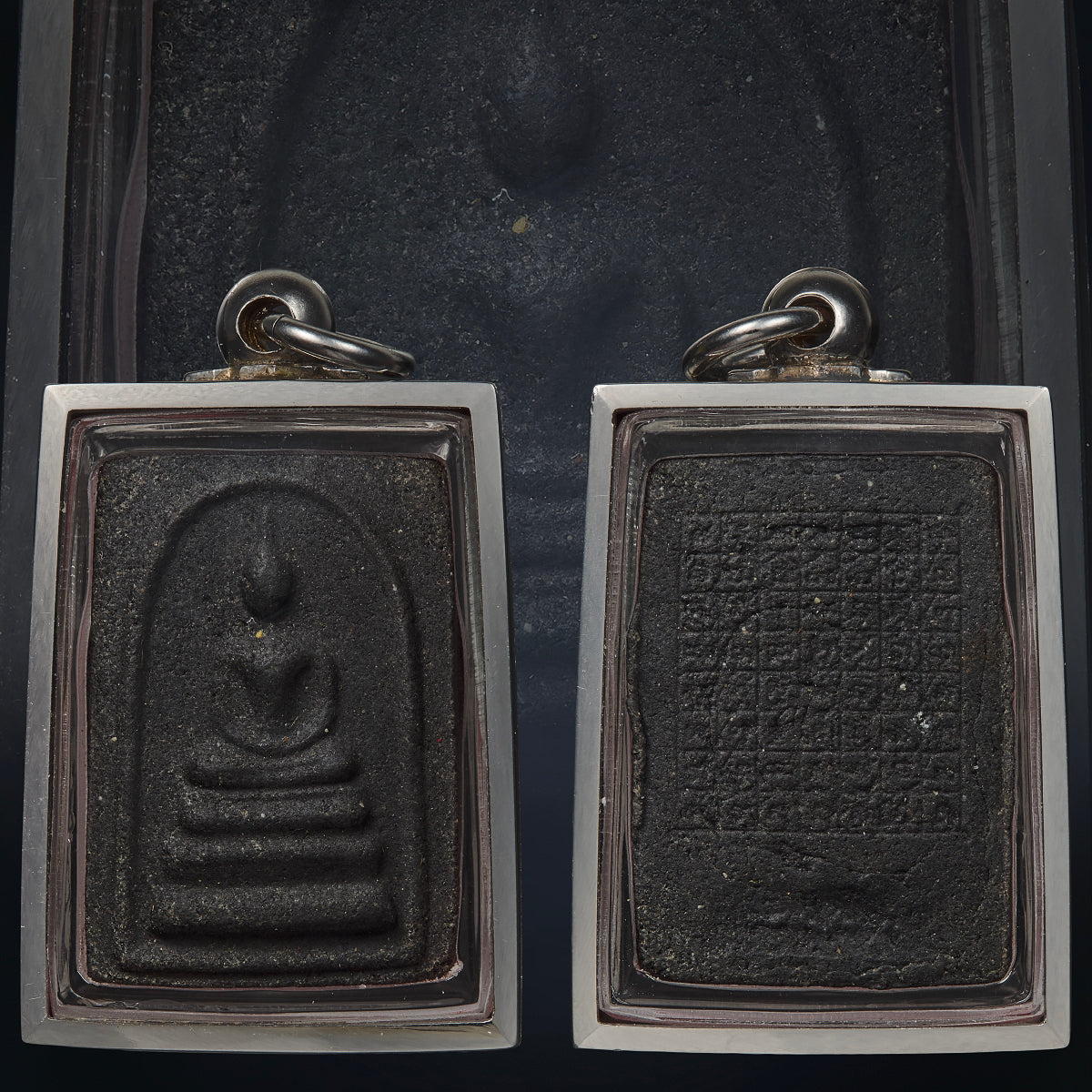
Phra Somdej Lek Lai Lair Pim Klang - LP Saweng (Sawaeng), Wat Sawangpod (Sawang Phop)
- Master / Lineage: LP Saweng (Sawaeng) Ariyo, also known as Luang Por Sawaeng Ariyo
- Temple: Wat Sawangpod (Sawang Phop), Khlong Luang, Pathum Thani
- Year: B.E. 2546 (2003)
- Materials: Lek Lai Lair
- Size: Approximately 2 cm
- Casing: Ah Fook casing
- Mainstream Artefact
The piece pictured is the exact piece that will be sent to you.
Personal Notes
Among collectors and luksits of LP Saweng (Sawaeng), the B.E. 2546 Lek Lai Lair series developed a following beyond Thailand, particularly amongst devotees in Singapore and Malaysia.
Wearers commonly associate the amulet with improvements in financial circumstances, including new business opportunities, career advancement and unexpected openings appearing during difficult periods. Others speak of klaew klaad experiences — an instinctive feeling to avoid a particular journey, person, agreement or situation, which they later regarded as timely protection.
The Lek Lai tradition is also closely associated with spiritual cleansing. Some devotees use sacred water connected with Lek Lai practices during Am Namon, the traditional flower and holy-water bathing ritual, particularly when seeking to clear periods of persistent obstacles or unfavourable circumstances.
Summary
This Phra Somdej Lek Lai Lair Pim Klang was created by LP Saweng (Sawaeng) of Wat Sawangpod (Sawang Phop) in B.E. 2546 (2003). It is the medium-sized mould. The front follows the traditional Somdej composition, with the Buddha seated in meditation beneath the characteristic arch. The reverse bears the Yant Kropetch, a sacred yantra associated with protection, spiritual defence and the strengthening of baramee.
Its importance lies in the combination of the Somdej image, the Lek Lai Lair material, and the Yant Kropetch. This combination is associated with prosperity, protection, klaew klaad, spiritual purification and the cultivation of baramee. The piece is presented in Ah Fook casing.
Historical Background
LP Saweng (Sawaeng) Ariyo of Wat Sawangpod (Sawang Phop), Khlong Luang, Pathum Thani, was born on 27 February B.E. 2467 (1924). He was ordained in B.E. 2487 (1944) and received the Pali name Ariyo. Among the masters of his training, the relationship most often recalled by later disciples, including Ajarn Piak, is with Luang Por Jong Phutthasaro of Wat Na Tang Nok.
He is remembered among the monks invited to the great ceremonies at Wat Prasat Bunyawat in B.E. 2505 and 2506 (1962 and 1963). He passed away on 23 August B.E. 2550 (2007), at the age of 83, and his remains are enshrined in a glass coffin at Wat Sawangpod (Sawang Phop), where devotees continue to pay respects.
He became particularly associated with sacred-material practices involving Lek Lai. Lek Lai Lair is regarded within this tradition as an especially prized form, and the Leklai Lair pieces of B.E. 2546 belong to this later period of his work. Accounts connected with LP Saweng describe lengthy ceremonies at sacred caves before suitable material could be collected.
Origins of the Materials
The principal sacred substance is Lek Lai Lair, traditionally obtained from a sacred cave following ritual preparation. Traditional practice could involve meditation, chanting, offerings and rites requesting permission before collection. Once obtained, the material was prepared for the production of sacred objects and amulets.
For devotees, the importance lies in the physical substance together with the ritual lineage and spiritual discipline associated with obtaining and preparing it. Each amulet was individually formed from prepared sacred material, with natural differences in surface, texture, colour and definition forming part of the character of every piece.
The front carries the traditional Somdej image of the Buddha seated in meditation beneath the arch. The reverse bears the Yant Kropetch.
Ritual
LP Saweng’s Lek Lai practice was associated with extended ritual preparation and chanting. After the material had been obtained and prepared, it was incorporated into sacred forms and consecrated according to his lineage.
The Yant Kropetch appearing across the reverse is especially significant. Traditionally understood as a protective yantra, it reinforces the amulet’s emphasis upon spiritual defence, stability and protection against harmful influences. The Somdej image on the front provides the Buddhist devotional foundation, while the yantra on the reverse represents the protective wicha incorporated into the piece.
Blessings and Effects
Traditional qualities associated with this amulet include wealth and prosperity, supporting business, career advancement and opportunities for financial improvement; klaew klaad, the quality of moving safely out of harm’s way; Yant Kropetch protection, associated with strengthening spiritual defence; baramee, supporting merit, personal standing and gradual advancement; good fortune, encouraging favourable circumstances and unexpected opportunities; spiritual cleansing, connected with restoring balance; and awareness and intuition, helping the wearer recognise potentially unfavourable situations in good time.
These are devotional associations and experiences shared by followers of LP Saweng’s work.
Modern Application
The Pim Klang is compact enough for regular wear. It may be particularly suitable for business owners, professionals, travellers and those regularly dealing with changing environments or important negotiations.
Its combination of wealth, protection and baramee traditions makes it a balanced daily piece. When it is not being worn, keep it in a clean and respectful place.
Recommended Pairing
As a Somdej with both prosperity and protective qualities, the Lek Lai Lair Pim Klang can be worn independently.
It may also be paired with a recognised Phra Sivali for prosperity and benefactor support, or a respected protective amulet when travelling frequently. The Yant Kropetch on the reverse gives the piece a traditional balance between Buddhist baramee, prosperity and protection.
-
SG: Free | Worldwide except USA: $20 Registered | USA: $25 Registered / $100 Courier (SGD)