


OOBThaiAmulets
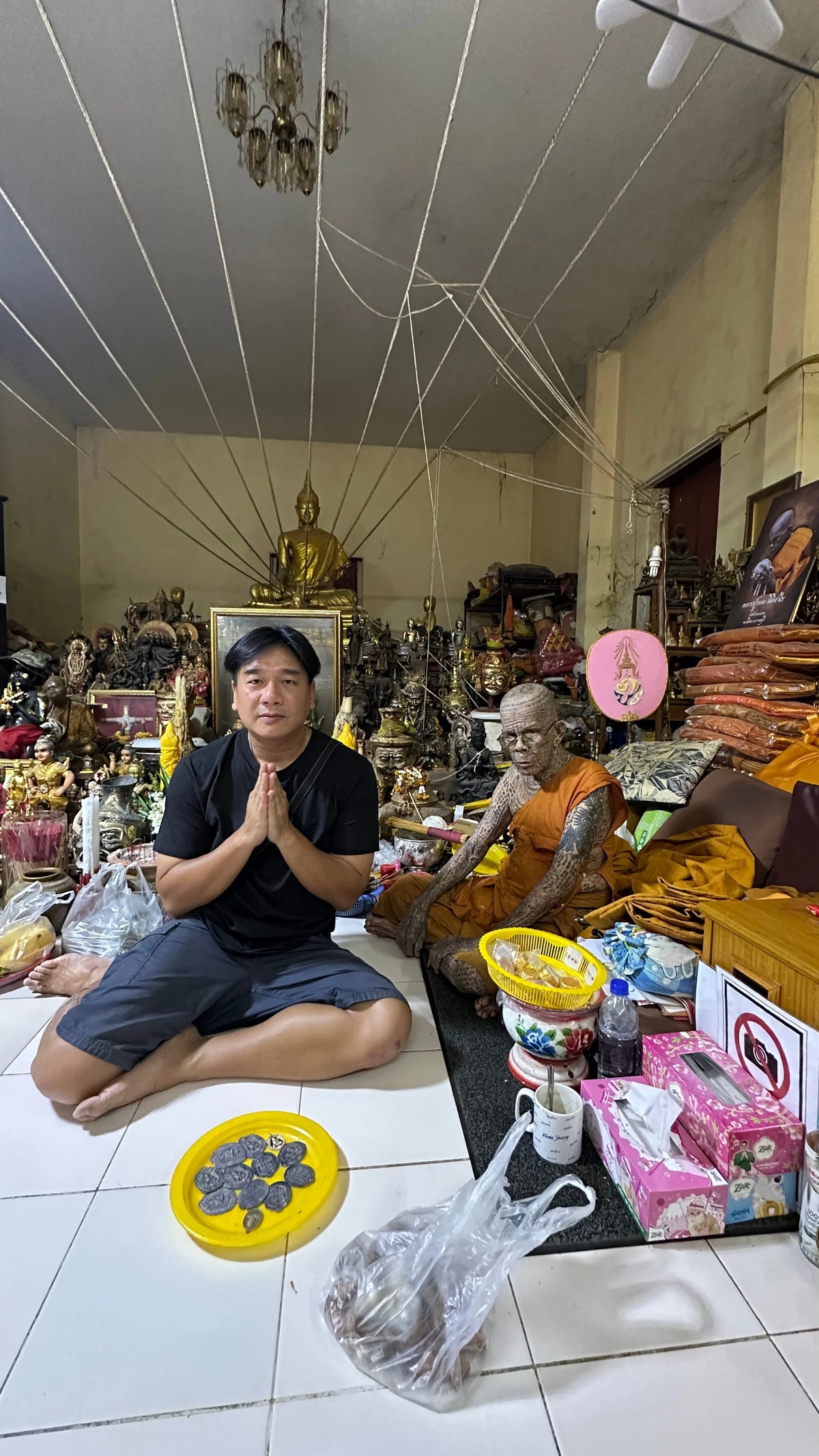
LP Rod - Wat Huay Takaeng
LP Rod - Wat Huay Takaeng
Temple-sourced certified artifacts since 2005. Questions before you buy? WhatsApp us at +65 9155 7000.
Couldn't load pickup availability
Box: MASS02
Rian Sema Hua Suer
Lp Rod, Wat Huay Takaeng
Wai Kru 2568 - test mould
B.E 2568
2.5 Inches
Mainstream Artifact
Bio of LP Rod, click here
━━━━━━━━━━━━━━━━━━━━━━━━━━━━━━━━
Each artifact is individually handmade from natural sacred materials, with variations in colour, texture, form and hand-applied Yant inscriptions making every piece unique. Photographs are representative only, and the piece supplied may differ slightly from the one shown.
It comes in a set of 2 pieces, front and back.
━━━━━━━━━━━━━━━━━━━━━━━━━━━━━━━━
Sacred Craftsmanship
The Rian Sema Hua Suer Nur Takua Test Mould was produced in connection with the B.E. 2568 Wai Kru commemorative issue of LP Rod Nitisaro, Wat Huay Takaeng, Ratchaburi.
These preliminary impressions were made from Nur Takua (lead) to examine the mould's proportions, relief and overall design before regular production.
Unlike the standard commemorative medals, the test moulds received additional sacred inscriptions personally applied by LP Rod, creating individual variations within the preliminary pieces.
Two distinctive examples are presented:
1. Rian Sema Hua Suer – Portrait and Yant Duang Test Mould
The front retains the original seated portrait of LP Rod, surrounded by the Sema border, ornamental motifs and tiger-head design. LP Rod personally inscribed additional Yant around the portrait.
The reverse features a circular Yant Duang, traditionally associated with strengthening personal destiny, improving fortune and overcoming periods of misfortune.
2. Rian Sema Hua Suer – Yant Na Test Mould
The front features a personally hand-inscribed Yant Na, associated with Metta Maha Niyom, goodwill and popularity, rather than the conventional raised portrait.
The reverse retains the commemorative production-mould impression, displaying a geometric sacred Yant arrangement and inscriptions relating to the B.E. 2568 Wai Kru issue.
Both examples reflect LP Rod's personal involvement in the preparation of these early pieces, combining traditional protective Wicha with individually selected sacred inscriptions.
━━━━━━━━━━━━━━━━━━━━━━━━━━━━━━━━
Personal Experiences Shared by Luksits
Among followers of LP Rod, his sacred objects are particularly respected for their traditional associations with Khong Krapan Chatri, Klaew Khlat and Maha Amnaj.
Devotees familiar with his Sak Yant and protective Wicha often value his amulets for the confidence and reassurance they associate with carrying them during travel, business dealings and challenging situations.
The two test mould variations offer different devotional emphases.
Collectors who favour Yant Duang generally seek blessings concerning personal fortune, difficult life transitions and the improvement of unfavourable circumstances.
Those who favour Yant Na place greater emphasis on Metta Maha Niyom, particularly in occupations involving customers, negotiations, management and interpersonal relationships.
Collectors also appreciate the personal hand-inscriptions by LP Rod, which distinguish these preliminary pieces from the regular production medals.
━━━━━━━━━━━━━━━━━━━━━━━━━━━━━━━━
Summary
The Rian Sema Hua Suer Nur Takua Test Mould B.E. 2568 represents an early production stage of LP Rod's Wai Kru commemorative medal.
The test moulds were produced to assess the design before regular manufacturing and were subsequently distinguished by LP Rod's personal Yant inscriptions.
The two examples demonstrate different applications of his Wicha:
-
Portrait with Yant Duang: Protection, Maha Amnaj, Serm Duang and Phlik Duang.
-
Yant Na with Commemorative Reverse: Metta Maha Niyom, Maha Saneh, goodwill and popularity.
Both share the significance of Nur Takua material, preliminary mould provenance and the master's direct inscription work.
━━━━━━━━━━━━━━━━━━━━━━━━━━━━━━━━
Historical Background
LP Rod Nitisaro, born Boonrod Chanmongkhon in B.E. 2490 (1947), originates from Amphawa, Samut Songkhram.
He is recognised among followers of traditional Thai sacred practices for his knowledge of Sak Yant, Khong Krapan Chatri and protective Wicha.
His spiritual background is associated with LP Koed of Wat Thep Prasit Khanawat, alongside traditions connected with LP Sud of Wat Kalong, LP Sawai of Wat Mani Sawan and LP Rung of Wat Tha Krabue.
After returning to monastic life in B.E. 2544 (2001), he became associated with Wat Huay Takaeng, Ratchaburi.
The B.E. 2568 Rian Sema Hua Suer was created in connection with his annual Wai Kru ceremony, an occasion dedicated to honouring spiritual teachers and preserving the transmission of sacred knowledge.
The tiger-head symbolism reflects the traditional associations of suer Wicha with courage, commanding authority and protection.
━━━━━━━━━━━━━━━━━━━━━━━━━━━━━━━━
Origins of the Materials
Both test mould variations were produced from Nur Takua (lead), a traditional material used in Thai amulet-making and sacred inscription work.
Lead's comparatively soft surface makes it suitable for preliminary impressions and the subsequent application of hand-inscribed Yant.
A test mould, or preliminary Phim trial, allows the maker to examine the mould's accuracy, relief depth, proportions and clarity before proceeding with regular production.
The portrait variation preserves the raised image of LP Rod, while the Yant Na example presents a plain surface used for personal inscription.
Their significance therefore extends beyond the metal itself, reflecting their early production purpose and subsequent individual preparation.
━━━━━━━━━━━━━━━━━━━━━━━━━━━━━━━━
Ritual
The Rian Sema Hua Suer belongs to the B.E. 2568 Wai Kru tradition, honouring the teachers and spiritual lineages associated with LP Rod's Wicha.
The distinguishing ritual element of these test moulds is LP Rod's personal inscription work.
Yant Duang – Serm Duang and Phlik Duang
The circular Yant Duang is traditionally associated with strengthening personal fortune, improving astrological influences and turning difficult circumstances towards more favourable outcomes.
Within Thai sacred practice, Serm Duang concerns the strengthening of destiny, while Phlik Duang refers to reversing or changing periods of misfortune.
Yant Na – Metta Maha Niyom
Yant Na is associated with goodwill, kindness, popularity and favourable treatment from others.
Its traditional purpose is particularly relevant to devotees seeking smoother communication, social acceptance and stronger professional relationships.
Both variations complement LP Rod's established protective Wicha, although their individual inscriptions place emphasis on different blessings.
━━━━━━━━━━━━━━━━━━━━━━━━━━━━━━━━
Blessings and Effects
The traditional blessings associated with these test moulds include:
-
Khong Krapan Chatri: Protection, endurance and resilience.
-
Klaew Khlat: Avoidance of danger and misfortune.
-
Maha Amnaj: Authority, influence and commanding respect.
-
Baramee: Personal dignity, confidence and spiritual strength.
-
Serm Duang and Phlik Duang: Improving fortune and overcoming unfavourable circumstances, particularly associated with the Yant Duang variation.
-
Metta Maha Niyom: Encouraging goodwill, kindness and acceptance, particularly associated with the Yant Na variation.
-
Maha Saneh: Personal charm, attraction and popularity.
-
Chok Lap: Good fortune and favourable opportunities.
━━━━━━━━━━━━━━━━━━━━━━━━━━━━━━━━
Modern Application
The two variations offer different emphases for contemporary devotees.
The Yant Duang variation is traditionally suited to those seeking personal stability, protection and improvement during challenging periods, including career transitions, financial difficulties and important life decisions.
The Yant Na variation is particularly relevant to business owners, sales professionals, managers and individuals whose work depends upon goodwill, communication and customer relationships.
For collectors, both examples are significant as preliminary production pieces personally inscribed by LP Rod.
Their appeal lies not only in their traditional blessings but also in the distinction between an early mould impression and a regular commemorative medal.
━━━━━━━━━━━━━━━━━━━━━━━━━━━━━━━━
Physical Details
Both examples are produced from grey Nur Takua and follow the traditional Sema-shaped outline. The Portrait and Yant Duang variation features a seated image of LP Rod framed by ornate scrollwork, with a tiger-head motif beneath the portrait and additional hand-inscribed Yant around the outer surface. Its reverse displays a circular Yant Duang divided into geometric sections containing sacred characters. The Yant Na variation has a comparatively plain front bearing prominent hand-inscribed sacred characters, while its reverse carries the original commemorative mould impression, including a detailed geometric Yant and Thai inscriptions identifying the B.E. 2568 Wai Kru issue. The examples shown are housed in protective casings with suspension rings, with the portrait variation presented in a decorative silver-coloured frame.
━━━━━━━━━━━━━━━━━━━━━━━━━━━━━━━━
Recommended Pairing
Phra Somdej or Phra Kring: Traditionally paired for Buddhist blessings, spiritual stability and protection.
Salika or Nang Kwak: Particularly complementary to the Yant Na variation, strengthening the devotional emphasis on Metta Maha Niyom, customer attraction and favourable relationships.
Phra Pikanet: A suitable traditional pairing for the Yant Duang variation, particularly for devotees seeking wisdom, the removal of obstacles and improved opportunities.
━━━━━━━━━━━━━━━━━━━━━━━━━━━━━━━━
Personal Notes
The principal distinction of these B.E. 2568 Nur Takua Test Moulds lies in their pre-production origin and LP Rod's personal hand-inscription work.
Although both belong to the same commemorative issue, they represent different applications of his Wicha.
The Portrait and Yant Duang example retains the recognisable Sema Hua Suer design while incorporating destiny-related inscriptions.
The Yant Na example takes a different approach, placing the personally inscribed Metta Maha Niyom Yant at the centre of its design while preserving the commemorative mould impression on the reverse.
These differences make the two pieces interesting examples of how a single commemorative issue can incorporate distinct sacred intentions through the direct involvement of the master.
For collectors who appreciate preliminary impressions, traditional Sak Yant and individually prepared artifacts, both variations offer a meaningful connection to LP Rod's B.E. 2568 Wai Kru tradition.
━━━━━━━━━━━━━━━━━━━━━━━━━━━━━━━━


-
SG: Free | Worldwide except USA: $20 Registered | USA: $25 Registered / $100 Courier (SGD)