
OOBThaiAmulets
Phra Kritsada Khantiko (Arjan Note) - Wat Pong Sanuk Nuea
Phra Kritsada Khantiko (Arjan Note) - Wat Pong Sanuk Nuea
Couldn't load pickup availability
MS6
Waen Leklai
Phra Kritsada Khantiko (Arjan Note) Wat Pong Sanuk Nuea, Lampang Province
2cm
Mainstream Artifact
For bio of AJ Note: Click here
━━━━━━━━━━━━━━━━━━━━━━━━━━━━━━━━
Sacred Craftsmanship
This Waen Leklai is a traditional Lanna protective ring associated with Phra Kritsada Khantiko, better known as Arjan Note of Wat Pong Sanuk Nuea, Lampang.
Each ring is individually handmade from carefully prepared materials, with natural variations in the brass setting, Leklai surface, colour and form making every piece unique.
The photographs are representative only. A piece will be selected at random, and the item supplied may differ slightly from the exact piece shown in the images.
━━━━━━━━━━━━━━━━━━━━━━━━━━━━━━━━
Personal Experiences Shared by Luksits
Among followers of traditional Lanna Wicha, Leklai rings have long been regarded as personal protective talismans, particularly for individuals who travel frequently or work in demanding environments.
Some practitioners describe carrying Leklai as a source of reassurance when travelling through unfamiliar places or facing situations they consider spiritually unfavourable.
Others associate the material with a greater sense of confidence and steadiness when dealing with difficult people, workplace pressure or uncertain circumstances.
Within older Thai occult circles, Leklai is also traditionally believed to possess a protective presence that accompanies its bearer.
━━━━━━━━━━━━━━━━━━━━━━━━━━━━━━━━
Summary
A traditional Waen Leklai featuring sacred cave-collected Leklai mounted in a handmade ring formed from melted old brass.
Associated with Arjan Note of Wat Pong Sanuk Nuea, this ring reflects the protective traditions of Northern Thai Wicha, where Leklai is valued for its symbolic connection to spiritual strength, authority and resistance against harmful influences.
Its aged brass construction and naturally dark Leklai give the piece a distinctive character, making it appealing to collectors who appreciate traditional sacred materials and old-style Lanna talismans.
━━━━━━━━━━━━━━━━━━━━━━━━━━━━━━━━
Historical Background
Phra Kritsada Khantiko (Arjan Note)
B.E. 2527–2569 (1984–2026)
Wat Pong Sanuk Nuea, Lampang Province
Phra Kritsada Khantiko, affectionately known as Arjan Note, was a respected Lanna monk associated with traditional Sakyant, protective Wicha and Northern Thai spiritual practices.
Recognised among his followers as a third-generation successor to the teachings of Kruba Nanta, he maintained a close connection to older Lanna methods of sacred inscription, ritual preparation and consecration.
He became particularly known for his red-ink Sakyant, traditionally prepared using sacred herbal oils and ritual compounds associated with Northern Thai and Burmese Weizza practices linked to the lineage of Bo Bo Aung.
His Sakyant was sought after for protection, authority, Metta and spiritual shielding.
Arjan Note was also highly regarded for his Phra Rahu creations, particularly his less common Pidta-form Rahu amulets, which combined protective symbolism with traditional beliefs concerning wealth, reversal of misfortune and overcoming obstacles.
Another area of his practice involved handmade Si Pueng, prepared in exceptionally small quantities, sometimes less than 100 ml per preparation cycle. These traditional waxes were associated with Maha Saneh, customer attraction, negotiation and prosperity.
His other creations included Wa Tanoo and Yin Tong, reflecting the Lanna tradition of combining spiritual protection with personal authority.
Following his passing in B.E. 2569, close followers remembered him for his willingness to assist individuals experiencing personal hardship and spiritual concerns.
Some disciples believed his health had suffered from years of demanding spiritual work, particularly rituals intended to address black magic and spiritual disturbances. These accounts represent the beliefs of his followers rather than an established medical explanation.
Within traditional Wicha circles, the expression Bah Wicha is sometimes used to describe practitioners deeply absorbed in their spiritual disciplines.
To those who knew him personally, Arjan Note was remembered as a compassionate teacher and father-like figure whose legacy extended beyond the sacred objects he created.
━━━━━━━━━━━━━━━━━━━━━━━━━━━━━━━━
Origins of the Materials
Leklai – The Sacred Metal of Thai Folklore
Leklai, literally translated as flowing iron, occupies a distinctive position within Thai occult traditions.
According to traditional accounts, Leklai is found in remote caves, mountains and spiritually significant locations. Certain varieties are believed to be guarded by spiritual entities, requiring experienced practitioners to perform appropriate rituals before collecting them.
Folklore describes Leklai as possessing unusual characteristics, including the ability to change form or respond to particular ritual conditions. These remain traditional accounts rather than scientifically established properties.
The Leklai used in this ring was reportedly collected from sacred caves and subsequently mounted into a setting made from melted old brass.
The dark surface and irregular texture of the central specimen retain the natural character associated with this type of traditional talisman.
The brass provides a durable setting while preserving the straightforward construction commonly found in older protective rings.
━━━━━━━━━━━━━━━━━━━━━━━━━━━━━━━━
Ritual
Within traditional Thai Wicha, Leklai is regarded as a material that carries its own spiritual significance even before being incorporated into an amulet.
Practitioners traditionally believe that cave-collected Leklai should be handled respectfully, particularly when its origins are associated with sacred mountains or spiritually guarded locations.
The ritual tradition surrounding Leklai commonly emphasises protection, spiritual strength and the ability to resist harmful influences.
Arjan Note's association with the ring connects it to his broader Lanna protective Wicha, particularly his practices concerning spiritual shielding and personal authority.
The precise chanting procedure and duration of consecration for this particular ring have not been documented.
━━━━━━━━━━━━━━━━━━━━━━━━━━━━━━━━
Blessings and Effects
Waen Leklai is traditionally associated with several protective and auspicious qualities:
-
Kongkrapan: Traditional belief in resistance against physical harm and dangerous situations.
-
Spiritual Protection: Protection against black magic, hostile influences and spiritual disturbances.
-
Maha Amnaj: Strengthening personal authority, confidence and commanding presence.
-
Chok Larp: Supporting good fortune, opportunities and financial stability.
-
Health and Vitality: Traditionally associated with maintaining personal strength and well-being.
━━━━━━━━━━━━━━━━━━━━━━━━━━━━━━━━
Modern Application
Waen Leklai is traditionally worn as a personal protective talisman, particularly by those who frequently travel, work in challenging environments or encounter difficult situations.
For business owners and working professionals, the ring is associated with confidence, authority and protection against unfavourable influences.
It may also appeal to individuals who appreciate traditional Thai spiritual practices and prefer a sacred object that can be worn discreetly throughout the day.
Beyond its intended spiritual purpose, the ring represents an interesting aspect of Lanna material culture, where naturally occurring substances, old metals and traditional beliefs are brought together in a functional personal talisman.
━━━━━━━━━━━━━━━━━━━━━━━━━━━━━━━━
Physical Details
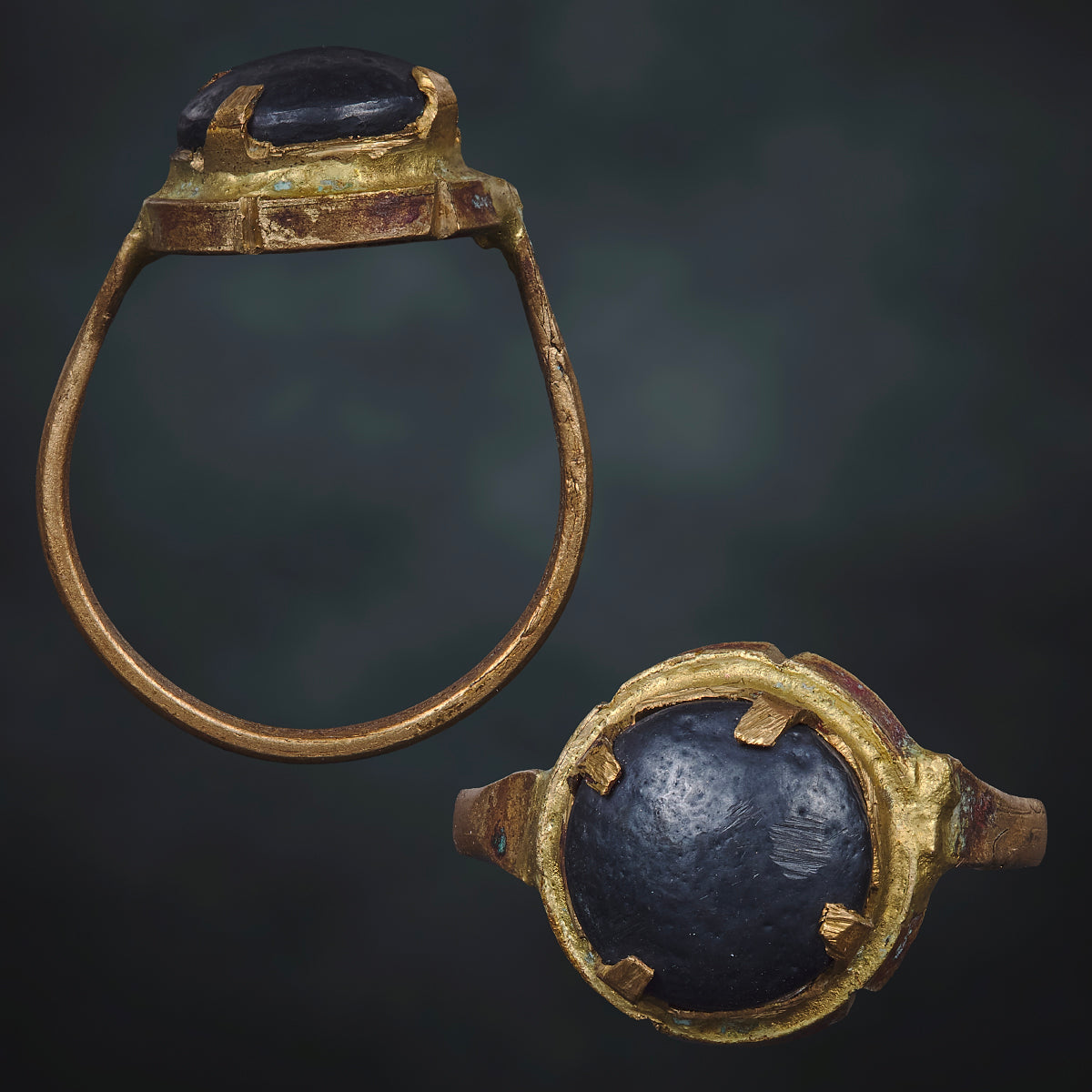
The ring is made from melted old brass, with a dark, rounded Leklai specimen secured at the centre by traditional metal claws.
Its surface displays natural ageing, including oxidation, uneven golden tones and signs of traditional hand-finishing. The Leklai has a dark, slightly irregular appearance, with subtle surface markings visible under light.
The overall construction is simple and substantial, retaining the rustic character of traditional protective rings rather than the polished appearance of modern jewellery.
━━━━━━━━━━━━━━━━━━━━━━━━━━━━━━━━
Recommended Pairing
Phra Rahu: Traditionally associated with reversing misfortune, overcoming obstacles and protection against unfavourable influences.
Tao Wessuwan: Complements Leklai's protective symbolism through traditional beliefs concerning spiritual guardianship, authority and protection against hostile forces.
Phra Pidta: Associated with spiritual shielding, protection from harmful intentions and maintaining stability during difficult periods.
━━━━━━━━━━━━━━━━━━━━━━━━━━━━━━━━
-
Free Shipping for Singapore| $15 Worldwide | $100 USA All products