
OOBThaiAmulets
Phra Kritsada Khantiko (Arjan Note) - Wat Pong Sanuk Nuea
Phra Kritsada Khantiko (Arjan Note) - Wat Pong Sanuk Nuea
Couldn't load pickup availability
MS7
Phra Rahu
Phra Kritsada Khantiko (Arjan Note) Wat Pong Sanuk Nuea, Lampang Province
2 cm
Mainstream Artifact
Encased in gold box
For bio of AJ Note: Click here
━━━━━━━━━━━━━━━━━━━━━━━━━━━━━━━━
Sacred Craftsmanship
This Phra Rahu is a traditional Lanna talisman associated with Phra Kritsada Khantiko, better known as Arjan Note of Wat Pong Sanuk Nuea, Lampang.
Each amulet is individually handmade from carefully prepared sacred materials, with natural variations in carving, texture, colour and form making every piece unique.
Exact piece given
━━━━━━━━━━━━━━━━━━━━━━━━━━━━━━━━
Personal Experiences Shared by Luksits
Among Arjan Note's followers, Phra Rahu was particularly valued during periods of uncertainty, financial difficulty and repeated obstacles.
Some luksits described carrying his Rahu amulets when experiencing workplace disagreements, difficult negotiations or situations where progress seemed repeatedly blocked.
Others associated Rahu with improvements in their circumstances after periods of misfortune, particularly when dealing with competitive environments, jealousy or unfavourable relationships.
Within traditional Lanna belief, Rahu is regarded as a powerful force capable of transforming negative influences and helping its bearer move beyond difficult circumstances.
I notice that the most of villagers who stay near the temple owns a Phra Rahu by Ajarn Note while I went the temple. It is a sign that the Rahu by Ajarn Note are efficacious. I spoken to a volunteer of the temple and he said that he once was "lost" due to a failed business. After spoken to Ajarn Note and wearing Rahu, his luck change to the better.
━━━━━━━━━━━━━━━━━━━━━━━━━━━━━━━━
Summary
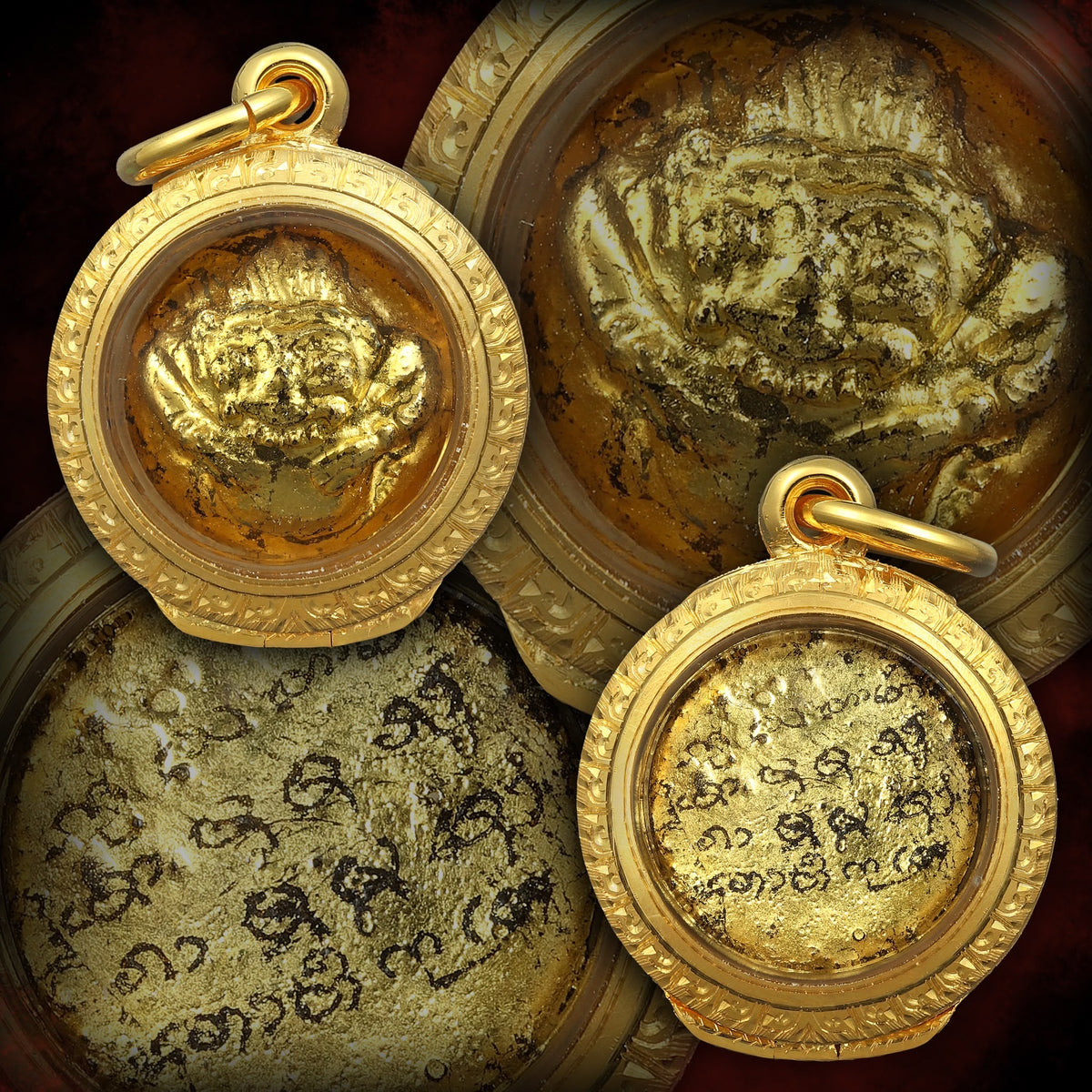
A finely hand-carved Phra Rahu made from Nga Chang material, finished in gold paint with a handwritten Yant on the reverse and protected within an ornate gold casing.
Its significance lies in the combination of traditional Lanna Rahu Wicha, second-generation craftsmanship and Arjan Note's spiritual lineage.
For collectors, this piece preserves a connection to an older Northern Thai tradition where sacred carving techniques and ritual knowledge were passed down through generations.
━━━━━━━━━━━━━━━━━━━━━━━━━━━━━━━━
Historical Background
Phra Kritsada Khantiko (Arjan Note)
B.E. 2527–2569 (1984–2026)
Wat Pong Sanuk Nuea, Lampang Province
Phra Kritsada Khantiko, affectionately known as Arjan Note, was a respected Lanna monk associated with traditional Sakyant, protective Wicha and Northern Thai spiritual practices.
Recognised among his followers as a third-generation successor to the teachings of Kruba Nanta, he maintained a close connection to older Lanna methods of sacred inscription, ritual preparation and consecration.
He became particularly known for his red-ink Sakyant, traditionally prepared using sacred herbal oils and ritual compounds associated with Northern Thai and Burmese Weizza practices linked to the lineage of Bo Bo Aung.
His Sakyant was sought after for protection, authority, Metta and spiritual shielding.
Among his sacred creations, Phra Rahu held particular importance, especially his less common Pidta-form Rahu amulets, which combined protective symbolism with beliefs concerning wealth, reversal of misfortune and the overcoming of obstacles.
Arjan Note was also respected for his handmade Si Pueng, produced in exceptionally small quantities, sometimes less than 100 ml per preparation cycle. These traditional waxes were associated with Maha Saneh, customer attraction, negotiation and prosperity.
His other creations included Wa Tanoo and Yin Tong, reflecting the Lanna tradition of combining spiritual protection with personal authority.
Following his passing in B.E. 2569, close followers remembered him not only for his sacred creations but also for his willingness to assist those experiencing personal hardship.
Some disciples believed his health had suffered from years of demanding spiritual work, particularly rituals intended to address black magic and spiritual disturbances. Such accounts reflect the beliefs of his followers rather than an established medical explanation.
Within traditional Wicha circles, the expression Bah Wicha is sometimes used to describe practitioners deeply absorbed in their spiritual disciplines.
To those who knew him personally, Arjan Note was remembered as a compassionate teacher and father-like figure whose legacy extended beyond the amulets he created.
━━━━━━━━━━━━━━━━━━━━━━━━━━━━━━━━
Origins of the Materials
The principal material used for this Phra Rahu is Nga Chang, traditionally valued in Northern Thai sacred craftsmanship.
The material was individually carved into the distinctive Rahu image before receiving its gold-painted finish.
A handwritten Yant was subsequently applied to the reverse, following the traditional practice of incorporating sacred inscriptions into protective talismans.
The artisan's family connection to Kruba Nanta adds historical interest, particularly because the first-generation craftsman was involved in producing Rahu images for a master closely associated with this specialised Wicha.
This continuity of craftsmanship represents an important part of the amulet's heritage.
━━━━━━━━━━━━━━━━━━━━━━━━━━━━━━━━
Ritual
Phra Rahu occupies an important position in traditional Thai and Lanna spiritual practices.
Within the lineage of Kruba Nanta, Rahu Wicha was associated with two principal aspects:
-
Suriyaprapha – Sun Rahu: Traditionally associated with overcoming obstacles, authority and protection against unfavourable influences.
-
Janthraprapha – Moon Rahu: Associated with transformation, changing fortune and protection during periods of uncertainty.
Kruba Nanta was particularly respected for his prolonged chanting practices and the empowerment of Rahu talismans during significant astrological occasions, including solar and lunar eclipses.
Arjan Note's Rahu creations continued this Northern Thai tradition through his own knowledge of Lanna Wicha and ritual consecration.
The handwritten Yant on the reverse further reflects the importance of sacred inscriptions in traditional talismanic practices.
━━━━━━━━━━━━━━━━━━━━━━━━━━━━━━━━
Blessings and Effects
Phra Rahu is traditionally associated with the following qualities:
-
Reversal of Misfortune: Helping transform difficult circumstances and unfavourable cycles.
-
Protection: Shielding against jealousy, hostile intentions and negative influences.
-
Obstacle Removal: Supporting progress when facing repeated setbacks.
-
Wealth and Opportunities: Encouraging improved fortune and financial stability.
-
Authority and Confidence: Strengthening personal presence during challenging situations.
-
Spiritual Balance: Helping the bearer navigate periods of uncertainty and change.
━━━━━━━━━━━━━━━━━━━━━━━━━━━━━━━━
Modern Application
This Phra Rahu is particularly relevant to individuals experiencing changes in their professional or personal lives.
Business owners and working professionals may carry Rahu as a traditional symbol of protection against competition, workplace politics and unexpected difficulties.
It is also associated with those seeking to overcome financial setbacks, difficult relationships or periods when opportunities appear limited.
Beyond its spiritual significance, the amulet represents the continuation of traditional Lanna craftsmanship, making it equally appealing to collectors who appreciate handmade sacred objects with established artisan lineage.
━━━━━━━━━━━━━━━━━━━━━━━━━━━━━━━━
Physical Details
This Phra Rahu is individually hand-carved from Nga Chang material, featuring a raised Rahu image with an aged gold-painted finish. The reverse bears handwritten sacred Yant inscriptions.
The amulet is housed within an ornate gold casing featuring decorative engraving around the border and a suspension loop for wearing.
Natural variations in the carving, gold finish and handwritten inscriptions reflect its individually handmade character.
━━━━━━━━━━━━━━━━━━━━━━━━━━━━━━━━
Recommended Pairing
Phra Pidta: Traditionally associated with protection, concealment from harmful influences and spiritual stability.
Tao Wessuwan: Complements Rahu's protective symbolism through traditional beliefs concerning authority, wealth guardianship and protection against hostile forces.
Phra Khun Paen: Often paired for Metta, personal relationships and opportunities, balancing Rahu's emphasis on protection and overcoming obstacles.
━━━━━━━━━━━━━━━━━━━━━━━━━━━━━━━━
-
Free Shipping for Singapore| $15 Worldwide | $100 USA All products