
OOBThaiAmulets
Por Sala Tan
Por Sala Tan
Couldn't load pickup availability
PST09
Phra Khun Pean
Por Sala Tan
6cm
Barang artifact
━━━━━━━━━━━━━━━━━━━━━━━━━━━━━━━━
Sacred Craftsmanship
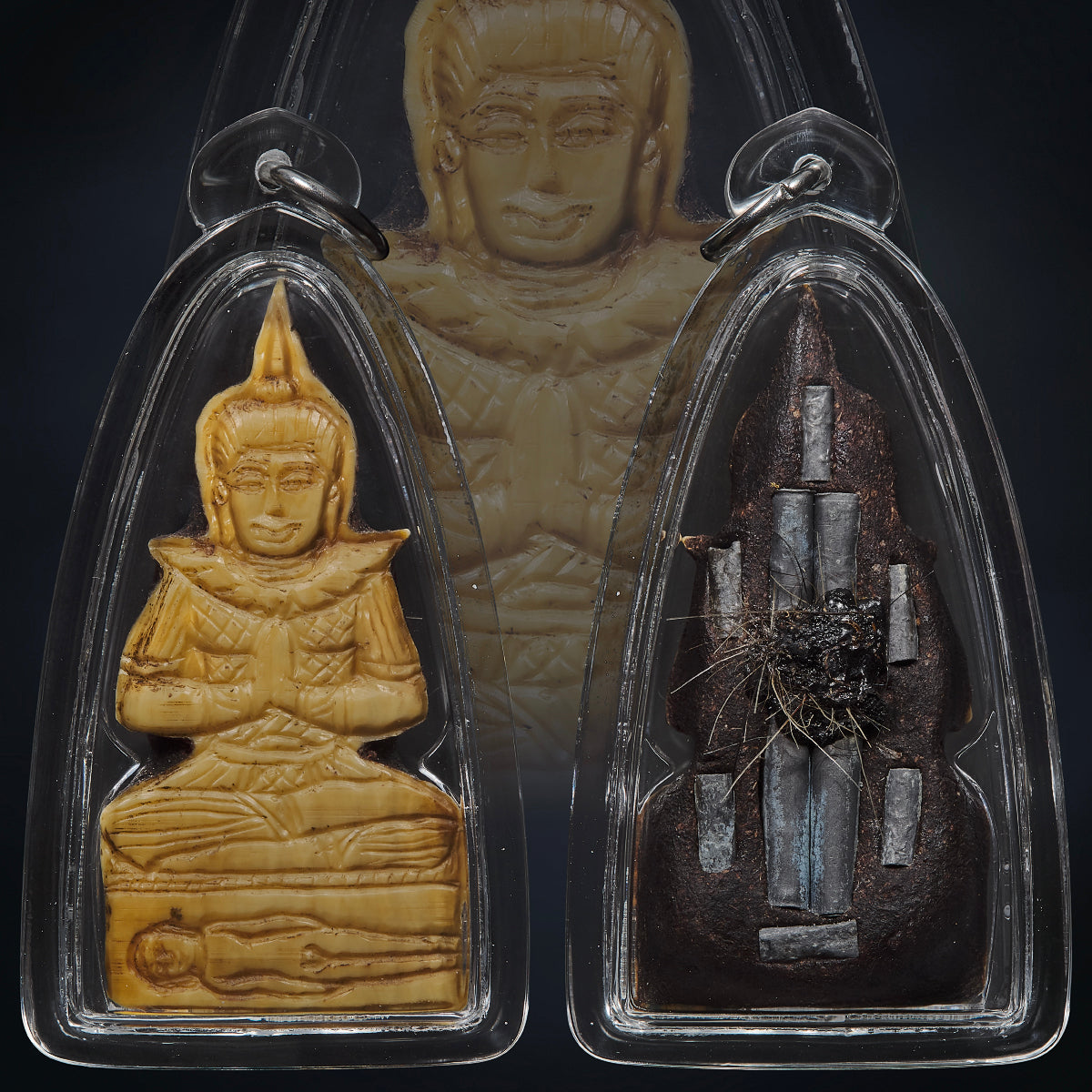
This Phra Khun Pean is an uncommon, large-format Maha Saneh creation by Por Sala Tan, measuring approximately 6 cm in height. Individually hand-carved from old Nga Chang Pen Din material, the piece was prepared using sacred substances originating from an actual relationship ritual conducted for a young village woman in Fang.
Each artifact was individually handmade from carefully prepared sacred materials, with natural variations in texture, colour, carving and ritual assembly making every piece unique.
Exact piece to be given
━━━━━━━━━━━━━━━━━━━━━━━━━━━━━━━━
Personal Experiences Shared by Luksits
Among older followers of Por Sala Tan, Khun Pean creations incorporating Saneh-related materials were traditionally regarded as particularly suitable for attraction, relationship harmony and favourable human interaction.
Some Luksits described experiencing warmer responses from people around them, especially during periods when personal relationships had become distant or communication was difficult.
Others associated such pieces with increased attention, renewed contact from acquaintances and smoother conversations with individuals who had previously appeared uninterested.
In business environments, older devotees sometimes spoke of customers becoming more approachable, conversations lasting longer and negotiations proceeding with less resistance.
Rather than focusing solely on romantic attraction, many regarded Khun Pean Wicha as a means of encouraging goodwill and emotional receptiveness in everyday relationships.
The Village Luksit's Collection
During one of my sourcing trips through Northern Thailand, I came across this particular Khun Pean in the possession of a local Luksit living near Fang.
The piece had reportedly remained in a neighbouring villager's home for many years.
Although its owner respected the amulet, he seldom carried it.
Among some older villagers, particularly those familiar with Por Sala Tan's stronger Maha Saneh creations, there was a belief that certain pieces should be used selectively rather than worn casually throughout the day.
The owner had therefore chosen to preserve it carefully instead of making it part of his regular daily carry.
What interested me was not simply its unusual size, but the story connecting it to a relationship ceremony performed by Por Sala Tan.
The materials on the reverse were said to have originated directly from that ritual, making the piece quite different from an ordinary Khun Pean prepared with general sacred powders.
Before I brought the piece back, I arranged for it to receive an additional blessing from Ac Muerk of Fang.
For me, this added another chapter to an already interesting artifact with a strong connection to the older Maha Saneh practices of the region.
━━━━━━━━━━━━━━━━━━━━━━━━━━━━━━━━
Summary
This Phra Khun Pean is a large, individually carved Maha Saneh artifact by Por Sala Tan, prepared from old Nga Chang Pen Din material.
Its origin is connected to an actual relationship ritual conducted for a young village woman in Fang. Following the ceremony, Por Sala Tan incorporated the remaining consecrated substances into a Khun Pean carving that he had begun the previous evening.
The reverse contains cemetery soil, multiple Hua Jai Saneh Takruts, wax from a Tid Jai Mae Prai ceremony and strands of bleached hair belonging to the woman involved.
The piece was later preserved by a local Luksit before entering my collection and receiving an additional blessing from Ac Muerk of Fang.
Its traditional qualities centre upon Maha Saneh, emotional attraction, relationship harmony, persuasive communication and favourable interpersonal relationships.
The unusual construction, personal ritual history and approximately 6 cm size distinguish it from more commonly encountered Khun Pean amulets.
━━━━━━━━━━━━━━━━━━━━━━━━━━━━━━━━
Historical Background
Phra Khun Pean is one of the most recognised figures within Thai amulet traditions, associated with personal charm, attraction, confidence and strategic intelligence.
The image draws upon Khun Phaen, the legendary warrior of Thai literature whose reputation extended beyond military skill to include romantic relationships, persuasive speech and mastery of traditional occult knowledge.
Over time, Khun Pean imagery became closely associated with Maha Saneh and Metta Maha Niyom Wicha.
Within Northern Thai folk traditions, particularly around Fang and neighbouring areas, certain practitioners developed specialised Khun Pean creations incorporating sacred woods, old ritual materials, cemetery substances and personal remnants connected with relationship ceremonies.
These pieces were not always intended exclusively for romantic attraction.
Older practitioners also associated Khun Pean with favourable communication, reconciliation, social popularity and improved relationships in business or professional environments.
Por Sala Tan's approach reflected this broader interpretation.
He believed that strong attraction-related Wicha required a balance between the intended emotional influence and the stabilising qualities of the materials used.
For this reason, some of his Khun Pean creations incorporated cemetery soil, Takruts, sacred waxes and substances originating from actual ceremonies.
Rather than relying solely upon the symbolic image of Khun Pean, he assembled the materials according to their traditional ritual associations.
This particular piece is an example of that approach, combining a hand-carved image with materials directly connected to a relationship ritual performed for a local devotee.
━━━━━━━━━━━━━━━━━━━━━━━━━━━━━━━━
Origins of the Materials
The construction of this Phra Khun Pean incorporates several materials associated with older Northern Thai Maha Saneh practices.
Nga Chang Pen Din
The main image was hand-carved from old Nga Chang Pen Din, a traditional ritual material valued by practitioners for its association with attraction, affection and emotional harmony.
Within older Fang Wicha, such materials were regarded as suitable for ceremonies involving human relationships and interpersonal influence.
Cemetery Soil
Cemetery soil was incorporated into the rear cavity as part of the ritual foundation.
Within traditional Prai-related Wicha, cemetery earth was associated with remembrance, emotional attachment and the unseen aspects of human relationships.
Its inclusion was intended to complement the Maha Saneh qualities of the carving.
Hua Jai Saneh Takruts
Several Takruts containing Hua Jai formulae were embedded into the reverse.
Hua Jai refers to condensed sacred mantra formulae used in different branches of Thai Wicha.
In this context, the Takruts were associated with affection, attraction, persuasive communication and emotional receptiveness.
Tid Jai Mae Prai Ritual Wax
Wax originating from a Tid Jai Mae Prai ceremony was incorporated into the rear assembly.
The wax served as a binding medium for the sacred components while connecting the piece to Por Sala Tan's Prai-related attraction practices.
Personal Hair from the Original Ritual
One of the most distinctive inclusions is the presence of bleached hair belonging to the young woman for whom the original relationship ceremony was conducted.
According to local accounts, the woman was fashionable and had lightened her hair, explaining the unusual colour of the strands preserved within the backing.
In older relationship Wicha, personal remnants were sometimes incorporated into ritual objects to maintain a symbolic connection with the intention of the original ceremony.
━━━━━━━━━━━━━━━━━━━━━━━━━━━━━━━━
Ritual
The ritual history of this Khun Pean began when a young village woman approached Por Sala Tan seeking assistance with her relationship and emotional circumstances.
According to the account preserved by local followers, Por Sala Tan performed a dedicated Maha Saneh ceremony using materials selected for attraction and relationship harmony.
The Khun Pean carving had already been started the previous evening.
Following the ceremony, Por Sala Tan reportedly considered the remaining ritual substances suitable for completing the unfinished image.
The materials were subsequently incorporated into the rear cavity, together with cemetery soil, Hua Jai Saneh Takruts and wax associated with the Tid Jai Mae Prai ritual.
The personal hair from the original ceremony was also preserved within the assembly.
The completed Khun Pean was then sealed and consecrated according to Por Sala Tan's traditional methods.
Within his lineage, such work emphasised the balance between attraction, emotional receptiveness and the stabilising qualities of the sacred materials.
Years later, after the piece was obtained from a local Luksit in Fang, it received an additional blessing from Ac Muerk, a practitioner associated with traditional Saneh Wicha.
This later consecration continued the relationship-oriented purpose of the original creation while preserving its earlier ritual materials.
━━━━━━━━━━━━━━━━━━━━━━━━━━━━━━━━
Blessings and Effects
This Phra Khun Pean is principally associated with Maha Saneh, emotional attraction and harmonious human relationships.
Its traditional attributed blessings include:
-
Maha Saneh: Enhancing personal charm, romantic attraction and emotional magnetism.
-
Metta Maha Niyom: Encouraging goodwill, popularity and favourable reception from others.
-
Relationship Harmony: Supporting affection, reconciliation and smoother communication between individuals.
-
Emotional Remembrance: Traditionally associated with encouraging others to remember, reconnect or maintain interest in the wearer.
-
Business and Social Attraction: Supporting customer relationships, networking, persuasive communication and repeat business.
-
Confidence and Personal Presence: Encouraging greater ease and confidence during important social interactions.
━━━━━━━━━━━━━━━━━━━━━━━━━━━━━━━━
Modern Application
This Khun Pean is particularly suited to individuals who value the traditional qualities of Maha Saneh and Metta Maha Niyom.
Those involved in sales, hospitality, entertainment, customer service and other relationship-focused professions may appreciate its symbolism of persuasive communication and favourable social interaction.
It may also appeal to individuals seeking greater confidence in personal relationships, reconciliation or improved communication with people around them.
Within business environments, Khun Pean creations have traditionally been carried by traders and entrepreneurs who place importance on customer relationships and the ability to establish trust.
Some devotees prefer to keep such pieces close during meetings, social gatherings or important conversations.
Others place them on personal altars or near their sleeping areas as part of their devotional practice.
Because of its relatively large size, this example may be more comfortably carried in a pouch or bag rather than worn continuously.
For collectors, its significance also lies in the unusual combination of hand-carved Nga Chang Pen Din, personal ritual materials and its direct connection to Por Sala Tan's relationship-related Wicha.
━━━━━━━━━━━━━━━━━━━━━━━━━━━━━━━━
Physical Details
A large Phra Khun Pean measuring approximately 6 cm in height, individually hand-carved from aged Nga Chang Pen Din material. The front depicts a seated Khun Pean with detailed ceremonial attire, folded arms and a reclining figure beneath the pedestal. The reverse contains a dark ritual backing with several Saneh Takruts, cemetery soil, Tid Jai Mae Prai wax and visible strands of bleached hair associated with the original relationship ceremony. The piece is enclosed within a fitted transparent protective casing with a suspension loop.
━━━━━━━━━━━━━━━━━━━━━━━━━━━━━━━━
Recommended Pairing
Salika Ling Thong complements the Maha Saneh qualities through its traditional emphasis on persuasive speech, communication and favourable reception from others.
Por Sala Tan Nang Kwak is a suitable companion for business owners and traders seeking traditional blessings associated with customer attraction, goodwill and prosperity.
━━━━━━━━━━━━━━━━━━━━━━━━━━━━━━━━
Personal Notes
What makes this Phra Khun Pean particularly interesting to me is its direct connection to an actual relationship ceremony conducted by Por Sala Tan.
Unlike many Khun Pean amulets produced according to a predetermined batch formula, this piece was reportedly completed because suitable ritual materials became available unexpectedly.
The carving had already been started the evening before.
Following the ceremony for the young village woman, Por Sala Tan decided that the remaining consecrated substances were appropriate for completing the image.
This spontaneous connection between the carving and the ceremony gives the piece a particularly personal history.
The reverse is equally distinctive.
Rather than containing only conventional sacred powders, it preserves cemetery soil, several Hua Jai Saneh Takruts, Tid Jai Mae Prai wax and strands of hair associated with the original ritual.
The approximately 6 cm carving is also considerably larger than many everyday Khun Pean amulets.
I later encountered the piece during one of my sourcing trips around Fang, where it had been kept by a local Luksit for many years.
Although the owner seldom wore it, he had continued to preserve it carefully.
Before bringing the artifact back, I arranged for an additional blessing by Ac Muerk of Fang, maintaining its connection with the local Saneh Wicha tradition.
For me, this is one of those pieces where the history behind its creation is just as meaningful as the materials themselves.
Its significance lies in the hand-carved Nga Chang Pen Din body, its origin in a real relationship ceremony, the unusual personal ritual components and its connection with two generations of Fang Maha Saneh practitioners.
━━━━━━━━━━━━━━━━━━━━━━━━━━━━━━━━
-
Free Shipping for Singapore| $15 Worldwide | $100 USA All products