
OOBThaiAmulets
Por Sala Tan
Por Sala Tan
Couldn't load pickup availability
PST09
Bo Min Aung
Por Sala Tan
Prior B.E. 2549 (2006)
1 Inch
Mainstream Artifact
━━━━━━━━━━━━━━━━━━━━━━━━━━━━━━━━
Sacred Craftsmanship
This Bo Bo Aung is an uncommon early creation by Por Sala Tan, belonging to a small series of Burmese Wizza lineage amulets produced during a limited five-year period before production permanently ceased in B.E. 2549.
Each artifact was individually handmade from carefully prepared sacred materials, with natural variations in painting, texture, colour and form making every piece unique.
Exact piece given
━━━━━━━━━━━━━━━━━━━━━━━━━━━━━━━━
Personal Experiences Shared by Luksits
Among older followers of Por Sala Tan, Bo Bo Aung and Bo Min Aung amulets were often regarded as spiritual companions for guidance, protection and the gradual opening of opportunities.
Some Luksits associated these pieces with smoother business dealings, particularly during periods when negotiations had become difficult or progress appeared uncertain.
Rather than describing sudden financial windfalls, several accounts emphasised the gradual improvement of circumstances — meeting helpful individuals, receiving unexpected assistance and finding alternative solutions to longstanding problems.
Others valued the Salika components for their traditional association with communication and goodwill. They described feeling more comfortable approaching unfamiliar people, discussing business matters and establishing relationships with customers or colleagues.
The Sivali-related materials also contributed to the reputation of these pieces among traders and frequent travellers, who traditionally sought blessings for safe journeys, sufficient resources and continued support away from home.
Personally, my connection with Bo Bo Aung and Bo Min Aung goes back to my Golden Mile days.
Those who visited my old shop may remember the images of these Burmese masters displayed prominently near the front counter alongside other Wizza figures.
Over the years, I observed how differently some devotees approached these masters compared with ordinary amulets.
Some would spend a few quiet moments before the altar prior to important business meetings. Others offered prayers before travelling or making significant financial decisions.
During challenging periods in my own business journey, I always associated these masters with a calm and reassuring presence.
That sense of steadiness and guidance remains one of my strongest personal associations with the Burmese Wizza tradition.
━━━━━━━━━━━━━━━━━━━━━━━━━━━━━━━━
Summary
This Bo Bo Aung belongs to a limited early series commissioned and consecrated by Por Sala Tan in collaboration with practitioners connected to the Burmese Wizza lineage.
Production continued for approximately five years before permanently ending in B.E. 2549, following the passing of two senior ritual participants.
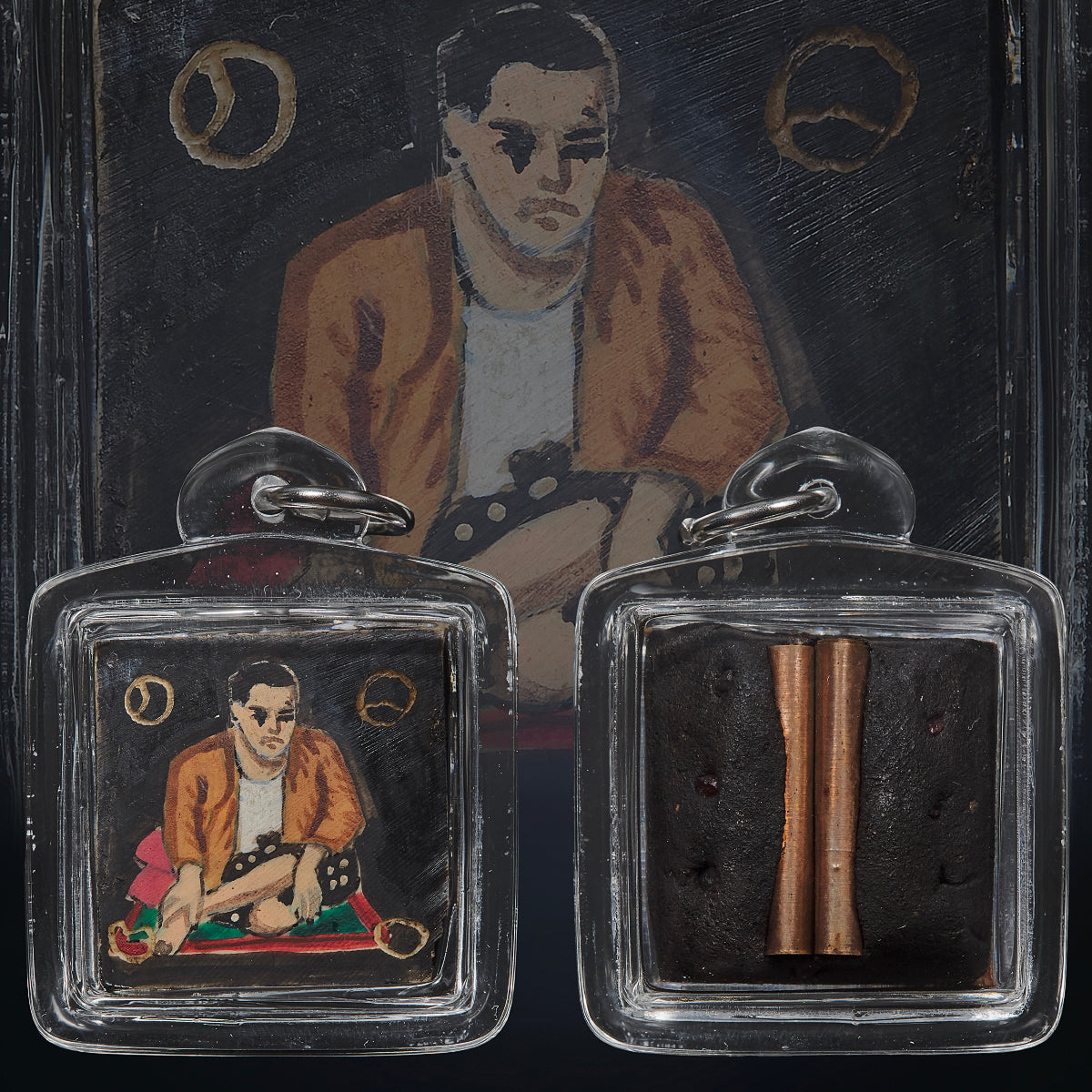
The amulet combines a hand-painted image on Nga Chang Graden with pigments from nine Burmese temples, 108 sacred herbs, Pathat Sivali relic substances, Burmese cave Ploi Sek and paired Salika Takruts.
Its traditional blessings centre upon spiritual guidance, protection, Baramee, business continuity, opportunities, favourable communication and the removal of obstacles.
The limited production period, unusual material composition and strict lineage requirements distinguish this series from Por Sala Tan's more commonly encountered creations.
━━━━━━━━━━━━━━━━━━━━━━━━━━━━━━━━
Historical Background
Bo Bo Aung is one of the most recognised figures within Burmese Wizza traditions, a system of esoteric Buddhist practice associated with meditation, alchemy, sacred inscriptions, protective methods and spiritual cultivation.
Within Burmese religious folklore, accomplished Wizza practitioners are believed to have developed extraordinary spiritual abilities through sustained meditation, moral discipline and specialised knowledge transmitted through generations of teachers.
Bo Bo Aung and Bo Min Aung occupy important positions within these traditions, particularly among devotees seeking spiritual guidance, protection and assistance in overcoming difficulties.
Por Sala Tan maintained connections with Burmese practitioners through his Northern Thai lineage network.
Although much of his work became associated with Lanna folk Wicha and Barang traditions, he also held considerable respect for Burmese Wizza practices.
According to accounts preserved by his close followers, Por Sala Tan believed that genuine Wizza consecration depended upon an uninterrupted teacher-disciple transmission.
The masters involved were expected to maintain daily meditation, observe their ritual commitments and preserve the teachings received from their own teachers.
He considered proper conduct and spiritual discipline essential to the effectiveness of these practices.
For this reason, the Bo Bo Aung and Bo Min Aung series were produced only when suitable practitioners were available to participate in the ceremonies.
The process was not considered complete through a single blessing alone. Repeated consecration and the participation of qualified lineage masters were regarded as necessary.
After two senior practitioners involved in the ceremonies passed away, Por Sala Tan reportedly decided that the established ritual arrangement could no longer be maintained.
Rather than continuing production under different conditions, he discontinued the series entirely in B.E. 2549.
This decision became an important part of the history surrounding these early Wizza creations.
━━━━━━━━━━━━━━━━━━━━━━━━━━━━━━━━
Origins of the Materials
The materials used in this Bo Bo Aung were gathered specifically for Burmese Wizza-related consecration.
Nga Chang Graden
The front image was prepared on Nga Chang Graden, an old ritual material traditionally valued for its suitability in sacred-object preparation and prolonged consecration.
Within older Wizza beliefs, such materials were regarded as receptive to repeated mantra recitation and ceremonial treatment.
Sacred Pigments from Nine Burmese Temples
The image was individually painted using pigments gathered from nine temples in Burma.
These pigments were valued not merely for their colour but for their association with established places of worship, accumulated offerings and generations of devotional practice.
108 Sacred Herbs
The reverse contains a dark ritual compound incorporating 108 different herbs.
In traditional Wicha, the number 108 carries symbolic significance associated with completeness and sacred ritual arrangements.
The herbs formed the principal backing material into which the remaining sacred components were incorporated.
Pathat Sivali Relic Substances
Pathat Sivali materials were blended into the backing compound.
Within Thai and Burmese devotional traditions, Phra Sivali is particularly associated with abundance, support from benefactors, smooth travel and the continued availability of necessities.
These materials were included to complement the guidance and protection qualities of the Bo Bo Aung image.
Burmese Cave Ploi Sek
Sacred Ploi collected from caves in Burma was contributed by Burmese practitioners who had gathered the material during years of travel and spiritual practice.
These stones were incorporated into the ritual compound as part of the amulet's connection with the Burmese lineage.
Paired Burmese Salika Takruts
Two Salika Takruts were embedded into the reverse.
Their traditional purpose was to strengthen Metta Maha Niyom, persuasive communication, harmonious relationships and favourable reception from others.
Together, the materials combine Wizza lineage practice with Sivali prosperity blessings and Salika Metta Wicha.
━━━━━━━━━━━━━━━━━━━━━━━━━━━━━━━━
Ritual
The consecration followed Burmese Wizza methods involving Por Sala Tan, monks and experienced lay practitioners connected with the lineage.
The principal ceremonies included full-day ritual sessions, continuous Kata recitation, elemental invocations and the preparation of sacred herbal offerings.
Two important mantra systems were incorporated into the blessing.
Na Ma Pa Ta was used in connection with the four elemental forces, traditionally representing the balancing and stabilisation of the sacred object.
Sa Ta Pa Wa was recited as part of the Burmese Wizza-related invocation system.
Collectors familiar with certain Ajarn Satien rings may recognise similar mantra and yantra traditions, reflecting the influence of Burmese Wizza practices within Northern Thai ritual circles.
The painted image, paired Salika Takruts and sacred backing materials underwent repeated empowerment before the final assembly.
According to the lineage account, the purpose was to establish a stable connection between the sacred image, its ritual materials and the blessings transmitted through the participating masters.
Por Sala Tan insisted that the pieces receive repeated consecration rather than relying upon a single ceremonial session.
This strict requirement eventually contributed to his decision to discontinue production when the original group of senior practitioners could no longer be assembled.
━━━━━━━━━━━━━━━━━━━━━━━━━━━━━━━━
Blessings and Effects
The Bo Bo Aung is traditionally associated with spiritual guidance, protection, opportunity and steady progress.
Its principal attributed blessings include:
-
Guidance and Path Opening: Helping overcome obstacles, improve judgement and recognise favourable opportunities.
-
Business and Prosperity: Supporting livelihood, business continuity, financial stability and assistance from benefactors through Sivali blessings.
-
Metta Maha Niyom: Encouraging goodwill, persuasive speech, harmonious relationships and smoother negotiations through the Salika Takruts.
-
Protection and Baramee: Traditionally associated with spiritual protection, inner strength and stability during difficult periods.
-
Travel and Personal Progress: Supporting smoother journeys, clearer direction and steady advancement in daily life.
━━━━━━━━━━━━━━━━━━━━━━━━━━━━━━━━
Modern Application
This Bo Bo Aung is particularly suitable for individuals who appreciate the traditional relationship between spiritual cultivation and practical daily life.
Business owners, traders, entrepreneurs and professionals may value its association with clearer judgement, smoother communication and continued opportunities.
For individuals involved in sales, consulting or negotiation, the Salika components complement the broader Wizza blessings through their traditional connection with goodwill and favourable reception.
Those experiencing uncertain career transitions or periods of financial difficulty may also appreciate the symbolism of path opening and steady progress.
The piece may be carried during daily activities, business meetings or travel.
It is equally suitable for placement on a personal altar, particularly among devotees who maintain an interest in Burmese Wizza masters and meditation traditions.
For collectors, its greatest significance lies in the combination of hand-painted craftsmanship, specialised materials and the limited period during which Por Sala Tan produced these Wizza-related creations.
━━━━━━━━━━━━━━━━━━━━━━━━━━━━━━━━
Physical Details
A compact rectangular Bo Bo Aung amulet featuring an individually hand-painted image on Nga Chang Graden, prepared using sacred pigments from nine Burmese temples. The reverse contains a dark compound of 108 herbs, Pathat Sivali relic substances, Burmese cave Ploi Sek and two Salika Takruts. The piece is enclosed within an clear plastic protective casing with a suspension loop. Natural differences in facial expression, brushwork, pigment ageing and material texture are characteristic of its handmade construction.
━━━━━━━━━━━━━━━━━━━━━━━━━━━━━━━━
Recommended Pairing
Phra Sivali Amulets complement the existing Sivali materials, with traditional emphasis on prosperity, livelihood, travel and continued support from benefactors.
Salika or Metta Maha Niyom Creations are suitable for individuals involved in sales, business negotiations and professions requiring favourable interpersonal relationships.
Phra Kring or Baramee-Oriented Amulets provide a complementary focus on protection, spiritual stability and personal authority.
Bo Min Aung or Burmese Wizza Lineage Rings offer a particularly meaningful pairing for collectors interested in the same traditions of meditation, elemental Wicha and teacher-disciple transmission.
━━━━━━━━━━━━━━━━━━━━━━━━━━━━━━━━
Personal Notes
Bo Bo Aung and Bo Min Aung have always held a special place in my personal collecting journey.
My connection with these Burmese masters began during my Golden Mile days, when their images occupied a prominent position near the front counter of my old shop.
Many regular visitors would probably remember them.
Unlike some sacred objects that people approached primarily for immediate blessings, I noticed that devotees often spent time quietly reflecting before these Wizza masters.
For some, it was a moment of prayer before an important meeting. For others, it was an opportunity to seek reassurance before making difficult decisions.
I personally came to associate these masters with stability, guidance and the importance of remaining composed during uncertain circumstances.
What makes Por Sala Tan's Bo Bo Aung particularly interesting to me is the history behind its creation.
The sacred pigments from nine Burmese temples, the 108-herb compound, the Sivali relic substances and the paired Salika Takruts were not assembled simply to produce another amulet.
According to the account passed down through his followers, every stage was connected with the requirements of the Burmese Wizza lineage.
Por Sala Tan's decision to stop production after the passing of two senior practitioners is especially meaningful.
Rather than replacing the original masters and continuing to produce the pieces, he chose to preserve the integrity of the lineage as he understood it.
For collectors who appreciate older Burmese Wizza traditions, this Bo Bo Aung represents more than an uncommon hand-painted amulet.
It preserves a connection with Por Sala Tan's early ritual work, his Burmese practitioner network and a limited series that permanently ended in B.E. 2549.
━━━━━━━━━━━━━━━━━━━━━━━━━━━━━━━━
-
Free Shipping for Singapore| $15 Worldwide | $100 USA All products