
OOBThaiAmulets
Por Sala Tan
Por Sala Tan
Couldn't load pickup availability
PST10
Naman Wahn Gai Daeng
Por Sala Tan
2 Inches
Mainstream Artifact.
━━━━━━━━━━━━━━━━━━━━━━━━━━━━━━━━
Sacred Craftsmanship
Naman Wahn Gai Daeng is a traditional sacred herbal oil prepared by Por Sala Tan, using the rare Wahn Gai Daeng herb, a plant associated with the ancient Wicha of Metta Maha Niyom and Saneh.
The oil contained in these bottles comes from Por Sala Tan's original preparation and has not been newly produced by AC Lek.
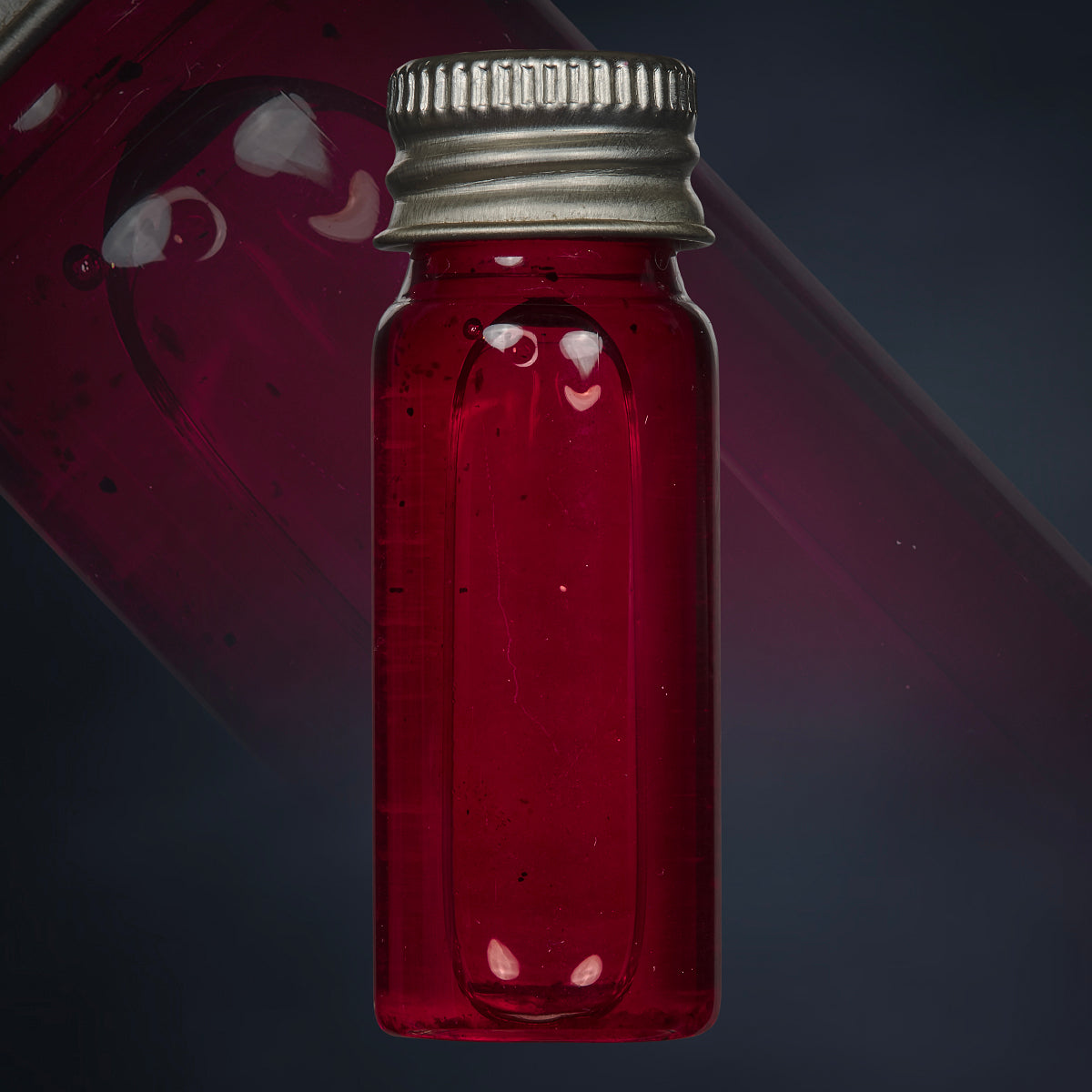
Each bottle is individually filled from the remaining original supply. Minor variations in colour, clarity and naturally occurring herbal sediment may be present.
Exact piece to be given
━━━━━━━━━━━━━━━━━━━━━━━━━━━━━━━━
Personal Experiences Shared by Luksits
Among collectors familiar with Por Sala Tan's traditional herbal preparations, Wahn Gai Daeng is particularly valued for its association with Metta Maha Niyom and Saneh.
The oil was traditionally incorporated into artifacts intended for individuals seeking better interpersonal relationships, greater personal appeal and favourable treatment from others.
Within this practice, its purpose was not restricted to romantic attraction. The same herbal preparation could be employed in artifacts intended for business popularity, customer relations and general goodwill.
Collectors who favour Por Sala Tan's earlier preparations place particular importance on the fact that this Naman was made during his lifetime.
The remaining bottles were subsequently divided by AC Lek from the original supply, rather than recreated using a later herbal formula.
This distinction is significant to devotees who prefer materials prepared directly by the original master.
━━━━━━━━━━━━━━━━━━━━━━━━━━━━━━━━
Summary
Naman Wahn Gai Daeng is a rare sacred herbal oil originally prepared by Por Sala Tan using Wahn Gai Daeng, a traditional plant associated with Metta Maha Niyom and Saneh.
The herb is difficult to acquire, with collectors and traditional herb gatherers sometimes travelling into remote forest regions of Northern Thailand and Myanmar in search of suitable specimens.
Por Sala Tan used the herb in preparing sacred oils intended for attraction-related Wicha and the creation of sacred artifacts.
Following his passing, the remaining original oil was acquired by his son, AC Lek, who divided a portion into smaller bottles while retaining some for future artifact preparation.
These bottles therefore represent a remaining supply of Por Sala Tan's original Naman, rather than a newly manufactured preparation.
━━━━━━━━━━━━━━━━━━━━━━━━━━━━━━━━
Historical Background
Wahn Gai Daeng in Traditional Herbal Wicha
Wahn Gai Daeng, sometimes written as Wan Kai Daeng, belongs to the wider tradition of Thai wan, a term commonly used for plants valued in folk medicine, ritual practices and traditional sacred preparations.
Its name translates literally as Red Rooster Herb, although it refers to a plant rather than an ingredient derived from a rooster.
In traditional Thai herbal belief, certain plants are associated with particular spiritual qualities.
Some are employed for protection, others for prosperity, while those belonging to the Metta Maha Niyom tradition are valued for their supposed ability to encourage goodwill and attraction.
Wahn Gai Daeng is particularly associated with the latter category.
Its reputation developed through traditional herbal knowledge passed between practitioners, forest gatherers and spiritual teachers.
Within Northern Thai and neighbouring Burmese traditions, sacred herbs have historically formed an important part of preparations used in ritual oils, waxes and amulets.
Por Sala Tan's use of Wahn Gai Daeng reflects this established tradition of incorporating rare natural materials into sacred Wicha.
━━━━━━━━━━━━━━━━━━━━━━━━━━━━━━━━
Origins of the Materials
Wahn Gai Daeng – The Rare Red Rooster Herb
The principal ingredient in this Naman is Wahn Gai Daeng, a herb traditionally associated with attraction and goodwill.
The plant is regarded as difficult to acquire within certain traditional collecting circles.
Experienced forest hunters, herbal collectors and members of remote communities have been known to travel into mountainous regions in search of unusual plants used in traditional Wicha.
Northern Thailand and neighbouring Myanmar are frequently mentioned as important sources for such materials.
Some collectors travel across the border into Burma, where remote forest regions remain associated with traditional herbal gathering.
The difficulty lies not simply in locating a plant bearing the correct local name, but also in identifying specimens considered suitable for ritual preparation.
Because vernacular plant names can refer to different botanical species, the precise botanical identity of Wahn Gai Daeng cannot be established from its traditional name alone.
The Original Oil of Por Sala Tan
The Wahn Gai Daeng used in these bottles formed part of Por Sala Tan's original herbal preparation.
The herb was incorporated into an oil intended for sacred applications involving Metta Maha Niyom and Saneh.
The finished Naman displays a distinctive deep reddish colour, with small particles visible within the liquid.
These visual characteristics are consistent with a herbal oil preparation, although the exact ingredients and extraction method cannot be determined from appearance alone.
The remaining supply was subsequently divided by AC Lek, with part preserved for his own future artifact-making work.
━━━━━━━━━━━━━━━━━━━━━━━━━━━━━━━━
Ritual
Within traditional Wicha, Wahn Gai Daeng is regarded as a herbal ingredient associated with Metta Maha Niyom, the cultivation of goodwill, popularity and favourable relationships.
Por Sala Tan prepared this Naman for use in sacred practices concerned with attraction and personal influence.
Such oils are traditionally employed in several ways, including:
-
Incorporation into sacred waxes and herbal preparations.
-
Application to the surface of selected amulets and talismans.
-
Use in the preparation of Metta Maha Niyom and Saneh artifacts.
-
Inclusion in ritual mixtures intended to enhance the attraction-related character of an artifact.
The original Naman was prepared by Por Sala Tan himself.
AC Lek's subsequent involvement concerned the preservation, division and continued use of the remaining supply.
━━━━━━━━━━━━━━━━━━━━━━━━━━━━━━━━
Blessings and Effects
Naman Wahn Gai Daeng is traditionally associated with the following qualities:
-
Metta: Encouraging goodwill, kindness and favourable treatment from others.
-
Maha Niyom: Popularity, acceptance and positive social recognition.
-
Saneh: Personal attraction, charm and affectionate relationships.
-
Business Popularity: Traditionally associated with attracting customers and encouraging favourable interactions.
-
Relationship Harmony: Supporting understanding and more agreeable communication.
-
Personal Appeal: Associated with confidence, approachability and a favourable personal impression.
━━━━━━━━━━━━━━━━━━━━━━━━━━━━━━━━
Modern Application
Naman Wahn Gai Daeng remains relevant to collectors and practitioners who appreciate traditional herbal Wicha.
Its principal association is with attraction through goodwill, rather than forceful influence or domination.
For individuals working in sales, customer service or public-facing professions, the oil represents the traditional aspiration to establish favourable relationships and encourage positive interactions.
It may also be appreciated by those interested in the historical use of sacred herbs in Lanna and neighbouring Burmese spiritual practices.
Collectors may preserve the Naman as an original preparation of Por Sala Tan or retain it for respectful use in compatible sacred artifact practices.
Because the complete composition and skin safety of this preparation are not established, it should not be ingested or applied directly to the skin.
━━━━━━━━━━━━━━━━━━━━━━━━━━━━━━━━
Physical Details
An original Naman Wahn Gai Daeng prepared by Por Sala Tan, containing sacred herbal oil associated with the traditional Wicha of Metta Maha Niyom and Saneh. The oil displays a deep reddish colour with small suspended particles and is contained in a compact transparent glass bottle secured with a metal screw cap. The remaining original supply was acquired by Por Sala Tan's son, AC Lek, who divided a portion into smaller bottles while retaining the balance for future sacred artifact preparations. Each bottle contains oil from Por Sala Tan's original preparation, with natural variations in colour, clarity and sediment possible.
━━━━━━━━━━━━━━━━━━━━━━━━━━━━━━━━
Recommended Pairing
Yin Tong – Traditionally associated with attraction, affection and harmonious relationships.
Salika – Complements the Metta Maha Niyom tradition through its association with persuasive speech, communication and popularity.
Nang Kwak – Suitable for those who appreciate traditional practices concerning customer attraction and business goodwill.
Pra Khun Pean – Associated with personal charm, Metta and favourable relationships.
Por Sala Tan's Saneh Artifacts – Particularly relevant for collectors wishing to preserve or complement sacred objects belonging to the same master's traditional Wicha.
━━━━━━━━━━━━━━━━━━━━━━━━━━━━━━━━
Personal Notes
What makes this Naman Wahn Gai Daeng particularly meaningful is not simply the rarity of the herb itself, but its direct connection with Por Sala Tan's original preparation.
Wahn Gai Daeng has long been valued within traditional Metta Maha Niyom and Saneh practices, yet obtaining suitable herbs has never been straightforward.
Collectors and forest gatherers sometimes travel considerable distances, including into remote regions of Burma, in search of these plants.
For practitioners who depend upon such materials, their availability can determine whether a particular preparation can be produced at all.
Por Sala Tan's original Naman was prepared during his lifetime and retained for use in his sacred artifact-making practices.
After his passing, the remaining oil was acquired by AC Lek.
Rather than using the entire quantity for new artifacts, AC Lek chose to divide a portion into smaller bottles, allowing collectors to preserve some of his father's original preparation.
Importantly, he also retained a small quantity for future use.
This creates a continuing material connection between Por Sala Tan's earlier work and the sacred artifacts that AC Lek may prepare in the future.
These bottles are not a reproduction of Por Sala Tan's formula. They contain the remaining Naman originally prepared by him.
For collectors familiar with Por Sala Tan's Wicha, this distinction represents the principal significance of the piece.
It is an opportunity to preserve an original herbal preparation associated with the master's lifetime practice, rather than a later interpretation of his work.
━━━━━━━━━━━━━━━━━━━━━━━━━━━━━━━━
-
Free Shipping for Singapore| $15 Worldwide | $100 USA All products