
OOBThaiAmulets
Por Sala Tan 🔥Hot Deal🔥
Por Sala Tan 🔥Hot Deal🔥
Couldn't load pickup availability
PST09
Suer Khamram
Por Sala Tan
3 Inches
Mainstream Artifact
Encased in silver
━━━━━━━━━━━━━━━━━━━━━━━━━━━━━━━━
Sacred Craftsmanship
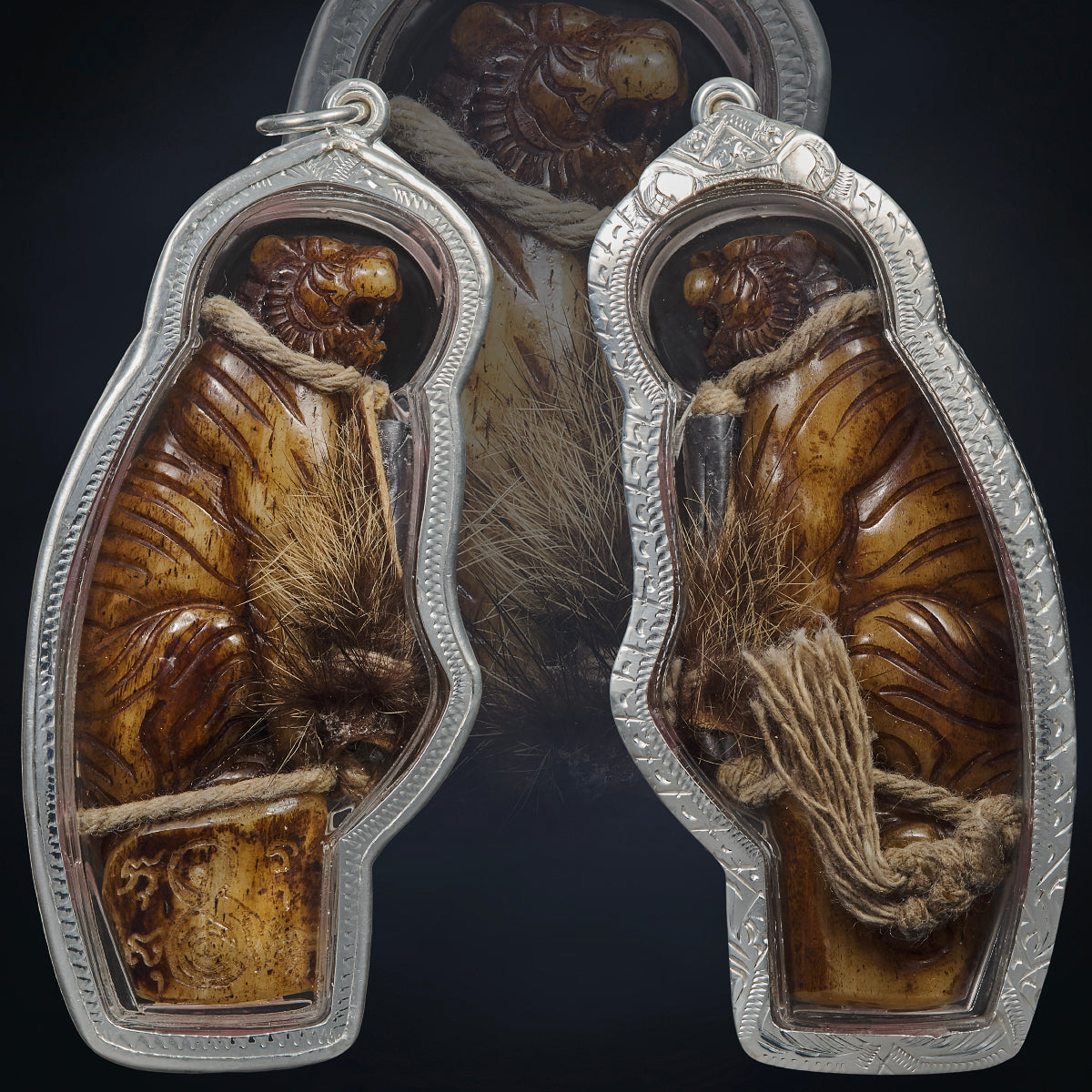
An exceptionally rare Suer Khamram (Roaring Tiger) with a remarkable spiritual history, having originally served as the personal working artifact of a forest Lersi who specialised in Suer Wicha.
Each artifact is individually handmade from carefully prepared sacred materials, with natural variations in carving, texture, colour and ritual components making every piece unique.
Exact piece to be given
━━━━━━━━━━━━━━━━━━━━━━━━━━━━━━━━
Personal Experiences Shared by Luksits
Among practitioners familiar with traditional Suer Wicha, tiger artifacts that have been actively used by accomplished masters are particularly respected.
Unlike newly created amulets, working pieces are valued for their history of repeated ritual use and their close association with the practitioners who maintained them.
Followers of Por Sala Tan often associate Suer Wicha with stronger personal authority, confidence, protection against hidden enemies and greater composure during difficult situations.
Business owners and individuals working in competitive environments have described feeling more decisive during negotiations and less affected by workplace rivalry or intimidation.
Others value tiger artifacts for their traditional reputation in discouraging betrayal, jealousy and harmful intentions.
This particular Suer carries additional significance because it was previously used by a forest Lersi to invoke tiger spirits during meditation and consecration ceremonies.
Its subsequent blessing by Por Sala Tan further strengthened its standing among those familiar with his Suer Wicha.
━━━━━━━━━━━━━━━━━━━━━━━━━━━━━━━━
Summary
This Suer Khamram (Roaring Tiger) is an unusual personal working artifact originally belonging to a forest Lersi who regularly practised Suer Wicha.
Hand-carved from Keow Mii and bound with sacred Saisin and Nang Suer, the tiger served as a ritual medium during meditation, chanting and consecration ceremonies.
The Lersi traditionally invited the Suer spirit through this artifact to oversee ceremonies and provide spiritual protection.
It was later acquired by a luksit of Por Sala Tan, who brought it to his annual Wai Kru ceremony for additional consecration.
Por Sala Tan subsequently enhanced the piece using his own Suer Wicha.
Its significance lies in the combination of repeated ceremonial use, an established forest Lersi connection and subsequent empowerment by Por Sala Tan.
Traditionally associated with Maha Amnaj, courage, protection and resistance against hidden enemies, this is a distinctive example of a working tiger artifact rather than an ordinary devotional carving.
━━━━━━━━━━━━━━━━━━━━━━━━━━━━━━━━
Historical Background
The tiger has long occupied an important position within Thai, Lanna and Khmer esoteric traditions.
In traditional Suer Wicha, the tiger represents courage, territorial authority, survival instinct and the ability to withstand hostile forces.
Forest Lersi practitioners sometimes incorporated animal imagery and natural relics into their ritual practices, particularly when working with protective invocations and spirit-related traditions.
The roaring tiger, known as Suer Khamram, symbolises the projection of commanding authority and the ability to confront danger without hesitation.
Within certain practitioner lineages, tiger artifacts were also used as ritual mediums during consecration ceremonies, with the Suer spirit invoked to guard the ceremonial surroundings.
This particular piece reflects that tradition, having served as the personal working Suer of a forest Lersi before entering Por Sala Tan's lineage.
━━━━━━━━━━━━━━━━━━━━━━━━━━━━━━━━
Origins of the Materials
The principal material is Keow Mii, carefully carved into the distinctive form of a roaring tiger.
The carving displays pronounced facial features, an open mouth and deeply engraved tiger stripes.
Additional sacred components include:
-
Keow Mii: The principal material forming the hand-carved tiger.
-
Nang Suer: Tiger skin relic traditionally associated with courage, territorial strength and commanding authority.
-
Sacred Saisin: Ceremonial thread used to bind the components and maintain their ritual connection.
The materials were originally prepared and used by the forest Lersi during his spiritual practice.
━━━━━━━━━━━━━━━━━━━━━━━━━━━━━━━━
Ritual
The original forest Lersi used this Suer Khamram regularly during meditation and Suer Wicha practice.
According to its provenance, the artifact served as a medium through which he invoked tiger energy during ritual work.
Whenever the Lersi participated in consecration ceremonies, he would bring the Suer and ritually invite the tiger spirit to oversee the proceedings.
This practice was traditionally intended to establish spiritual protection and reinforce the authority of the ceremony.
Over time, the artifact participated in numerous chanting sessions and consecration rites.
After entering the possession of Por Sala Tan's luksit, it was brought to Por Sala Tan during his annual Wai Kru ceremony.
Por Sala Tan performed additional blessings using his own Suer Wicha, intending to reinforce the original spiritual connection and strengthen the tiger's protective and commanding properties.
The combination of the forest Lersi's repeated ritual use and Por Sala Tan's subsequent consecration forms the defining spiritual history of this piece.
━━━━━━━━━━━━━━━━━━━━━━━━━━━━━━━━
Blessings and Effects
Within traditional Suer Wicha beliefs, this artifact is associated with:
-
Maha Amnaj: Commanding authority, leadership and personal presence.
-
Baramee: Strengthening dignity, confidence and respect from others.
-
Protection Against Enemies: Traditionally believed to discourage betrayal, jealousy and hidden hostility.
-
Klaew Klaad: Protection against danger and unfavourable situations.
-
Courage and Determination: Supporting composure during difficult circumstances.
-
Business Authority: Encouraging confidence during negotiations and competitive situations.
-
Spiritual Protection: Traditionally associated with guarding against harmful influences and disturbances.
The roaring tiger represents authority expressed through strength and discipline rather than unnecessary aggression.
Its traditional protective reputation is particularly valued by those seeking greater confidence and stability in challenging environments.
━━━━━━━━━━━━━━━━━━━━━━━━━━━━━━━━
Modern Application
Suer Khamram is particularly suited to business owners, entrepreneurs, managers, executives and individuals working in competitive environments.
It is traditionally carried by those seeking stronger authority, protection against workplace rivalry and greater confidence when making important decisions.
The artifact may also appeal to collectors of forest Lersi ritual objects and traditional Suer Wicha.
Its protective casing allows it to be worn or carried discreetly during daily activities.
━━━━━━━━━━━━━━━━━━━━━━━━━━━━━━━━
Physical Details
This Suer Khamram features a detailed roaring tiger hand-carved from Keow Mii, with an expressive open mouth, prominent facial features and deeply engraved stripes across the body. The material displays natural amber-brown colouring with darker carved details. Sacred Saisin is wrapped around the carving, securing a visible section of Nang Suer. Additional sacred markings appear near the lower portion of the artifact. The piece is housed within a custom silver-coloured protective casing with a transparent cover, preserving its original ceremonial bindings and distinctive construction.
━━━━━━━━━━━━━━━━━━━━━━━━━━━━━━━━
Recommended Pairing
Phra Rahu: Traditionally associated with overcoming obstacles, reversing unfavourable circumstances and protection against negative influences.
Takrut Kasatorn: Suitable for those seeking additional traditional emphasis on protection, authority and resistance against hostile intentions.
Lersi Ser Ming Pai: Complements Suer Wicha through its traditional associations with spiritual discipline, authority and the control of powerful ritual forces.
━━━━━━━━━━━━━━━━━━━━━━━━━━━━━━━━
Personal Notes
What makes this Suer Khamram particularly special is its history as a genuine working artifact of a forest Lersi, rather than a tiger carving produced specifically for general distribution.
The Lersi did not merely keep the Suer as a devotional object. He actively incorporated it into his meditation, chanting and ceremonial practices.
Whenever he was invited to participate in consecration ceremonies, the artifact accompanied him. Through Suer Wicha, he would invite the tiger spirit to oversee and protect the proceedings.
This means the piece had already been through numerous ceremonies before it eventually reached Por Sala Tan.
Its subsequent history is equally significant.
After acquiring the Suer, a luksit of Por Sala Tan brought it to the annual Wai Kru ceremony, where Por Sala Tan personally performed additional blessings using his own Suer Wicha.
The artifact therefore preserves two distinct stages of ritual practice: its original use by the forest Lersi and its later consecration by Por Sala Tan.
Within traditional collector circles, such working pieces are especially valued because their significance comes from actual ceremonial history rather than appearance or materials alone.
The combination of Keow Mii, Nang Suer, sacred Saisin and repeated Suer Wicha consecrations makes this a particularly unusual example.
A seldom-encountered Suer Khamram with an established history of ritual use, carrying the spiritual legacy of a forest Lersi and the subsequent blessings of Por Sala Tan.
━━━━━━━━━━━━━━━━━━━━━━━━━━━━━━━━
-
Free Shipping for Singapore| $15 Worldwide | $100 USA All products