
OOBThaiAmulets
Por Sala Tan
Por Sala Tan
Couldn't load pickup availability
PST09
Prai Paneang
Por Sala Tan
1 Inch
Barang Artifact
━━━━━━━━━━━━━━━━━━━━━━━━━━━━━━━━
Sacred Craftsmanship
An exceptionally unusual Prai artifact created by Por Sala Tan from human remains recovered from an unidentified coffin discovered beneath agricultural land.
Each artifact was individually handmade from carefully selected sacred materials, with natural variations in texture, colour, form and ritual components making every piece unique.
Exact piece will be given
━━━━━━━━━━━━━━━━━━━━━━━━━━━━━━━━
Personal Experiences Shared by Luksits
This particular artifact was obtained from a villager familiar with its origins and the circumstances surrounding Por Sala Tan's involvement.
According to the villager, these Prai artifacts were regarded as exceptionally strong, particularly in matters concerning wish granting, sixth sense and wealth fetching.
The villager described the artifact as having a strong spiritual presence, attributed to the spirit associated with the original burial and the unusual circumstances of its preparation.
Within traditional Prai Wicha, such artifacts are believed to assist their keepers through subtle intuition, unexpected opportunities and spiritual guidance.
The villager also explained that only a handful of pieces had been created, and that most were already retained by collectors or individuals close to the original event.
Consequently, examples from this particular creation are seldom encountered.
━━━━━━━━━━━━━━━━━━━━━━━━━━━━━━━━
Summary
Prai Paneang Nang is an uncommon spirit-associated Barang artifact created by Por Sala Tan following the discovery of an unidentified coffin beneath agricultural land.
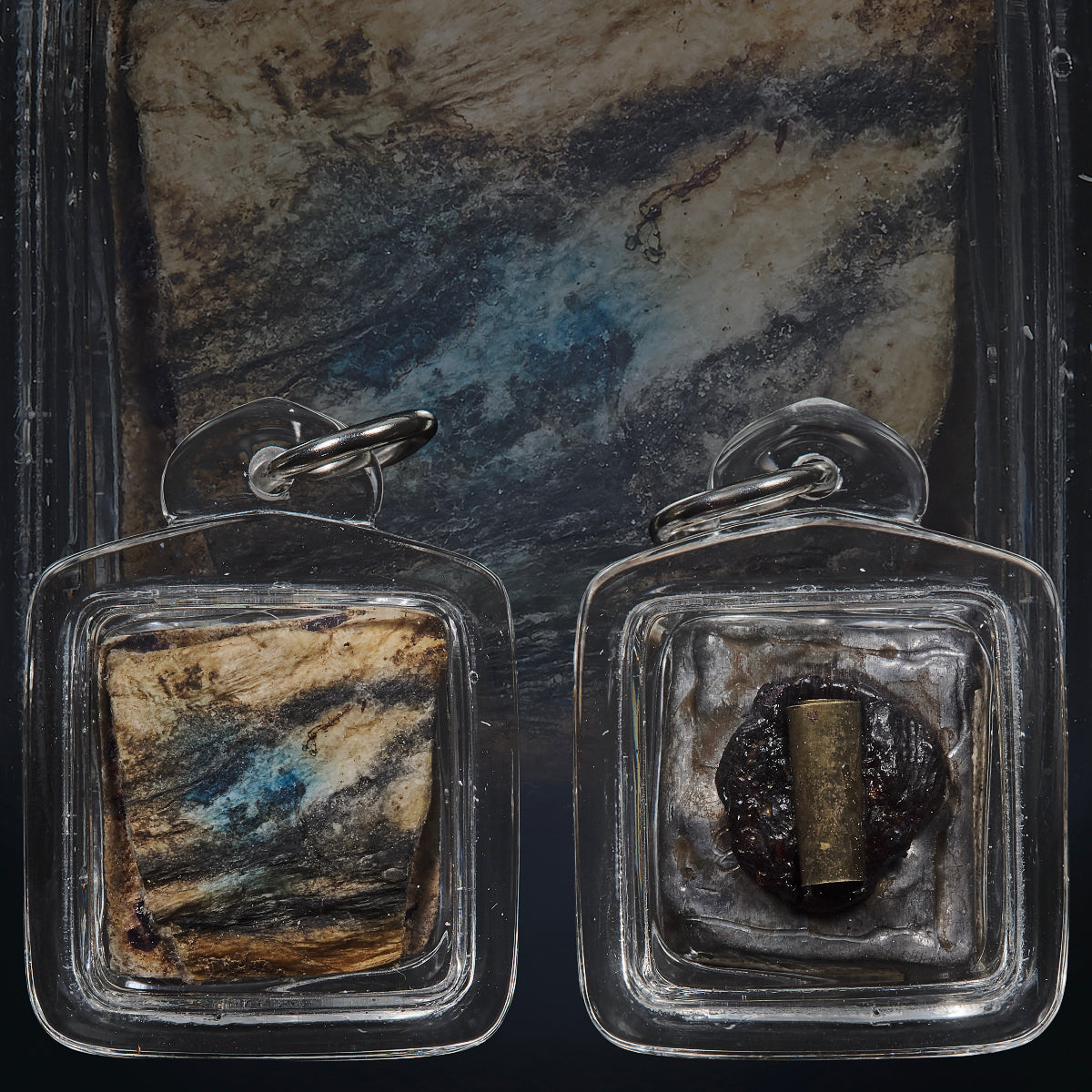
The artifact incorporates a Paneang fragment with attached skin, prepared through Prai Wicha and completed with a Yant-inscribed lead backing, Nam Man Prai and a sacred Takrut.
Its traditional reputation centres on strong wish granting, heightened intuition, sixth sense and wealth fetching.
The unusual burial circumstances, reported spiritual permission and extremely limited production distinguish this creation from Por Sala Tan's more conventional Prai artifacts.
━━━━━━━━━━━━━━━━━━━━━━━━━━━━━━━━
Historical Background
Within traditional Thai and Northern Thai occult practices, Prai Wicha refers to specialised rituals involving spirits, funerary materials and spiritual assistance.
Certain practitioners believed that spirits could be invited into a reciprocal relationship with the living through offerings, merit dedication and ritual observances.
In such traditions, the spirit was not simply regarded as a source of assistance. The keeper also carried a responsibility to maintain respectful conduct and dedicate merit.
Por Sala Tan was known among his followers for working with unusual sacred materials, including those obtained through circumstances requiring specialised rituals.
The discovery of the unidentified coffin presented one such occasion.
Rather than disturbing the burial without ceremony, he reportedly performed the appropriate rites, arranged cremation and subsequently prepared a small number of artifacts from selected remains.
━━━━━━━━━━━━━━━━━━━━━━━━━━━━━━━━
Origins of the Materials
The principal materials originated from an unidentified coffin discovered by villagers during agricultural expansion.
The artifact incorporates several components:
-
Paneang with Attached Skin: A fragment reportedly recovered from remains that were not completely consumed during cremation.
-
Yant-Inscribed Lead Backing: A prepared metallic mixture used to seal the reverse and carry sacred inscriptions.
-
Nam Man Prai: Traditionally associated with spirit-related attraction, assistance and wealth-fetching Wicha.
-
Sacred Takrut: Incorporated to reinforce the ritual connection and intended blessings.
-
Coffin-Derived Metal: Metallic material reportedly collected during cremation, partly associated with the coffin nails, and reserved for Por Sala Tan's other sacred creations.
━━━━━━━━━━━━━━━━━━━━━━━━━━━━━━━━
Ritual
Por Sala Tan first conducted rituals associated with the removal of the unidentified coffin and the respectful cremation of its remains.
According to the villagers' account, communication with the associated spirit took place before selected materials were retained.
The spirit was said to have agreed to their use in exchange for merit dedication and good karma.
Following cremation, Por Sala Tan selected the Paneang fragment with attached skin and prepared it according to his Prai Wicha.
The ritual involved inviting the spirit's presence into the artifact and establishing a connection between the remains and the intended spiritual assistance.
A lead-based backing was prepared and inscribed with sacred Yant, while Nam Man Prai and a Takrut were added to complete the construction.
The finished artifact was consecrated with particular emphasis on wish granting, intuitive guidance and wealth-fetching properties.
Within this tradition, merit dedication remained an important aspect of maintaining a respectful relationship with the associated spirit.
━━━━━━━━━━━━━━━━━━━━━━━━━━━━━━━━
Blessings and Effects
According to traditional Prai Wicha beliefs and the villager's account, this artifact is associated with:
-
Wish Granting: Traditionally believed to assist with personal intentions and important requests.
-
Sixth Sense: Associated with heightened intuition and sensitivity to unusual circumstances.
-
Wealth Fetching: Believed to attract financial opportunities and unexpected sources of income.
-
Spiritual Assistance: Traditionally associated with guidance from the connected Prai.
-
Opportunity Attraction: Encouraging favourable developments during difficult situations.
-
Protection Through Intuition: Believed to provide subtle warnings concerning unfavourable decisions or circumstances.
Its defining characteristic is the combination of strong Prai assistance, intuitive awareness and wealth-fetching Wicha.
━━━━━━━━━━━━━━━━━━━━━━━━━━━━━━━━
Modern Application
Traditionally suited to experienced collectors familiar with Prai Wicha and the customs surrounding spirit-associated artifacts.
It may be carried as a personal spiritual companion for intuition, opportunities and wealth-related intentions.
Because of its funerary origins, the artifact is particularly relevant to collectors who understand the importance of respectful handling, merit dedication and the traditions associated with Prai practices.
━━━━━━━━━━━━━━━━━━━━━━━━━━━━━━━━
Physical Details
This compact, square-shaped artifact features an aged organic relic surface displaying cream, brown and dark grey tones, with a distinctive blue-grey area across the front. The reverse is covered with a dark lead-based backing, upon which a rounded application of Nam Man Prai-associated ritual material and a centrally positioned metallic Takrut are visible. The artifact is enclosed in a clear protective casing with a suspension loop, preserving the delicate materials while allowing both sides to be examined.
━━━━━━━━━━━━━━━━━━━━━━━━━━━━━━━━
Recommended Pairing
Tao Wessuwan: Traditionally associated with spiritual authority, protection and the safeguarding of one's surroundings.
Phra Pidta: Commonly paired with Barang artifacts for traditional protection, stability and the cultivation of merit.
For collectors who follow Prai Wicha, pairing this artifact with a Buddhist amulet may also reflect the practice of balancing spirit-related traditions with merit-making and personal spiritual discipline.
━━━━━━━━━━━━━━━━━━━━━━━━━━━━━━━━
Personal Notes
What makes this Prai artifact particularly unusual is the circumstances surrounding its creation.
The original coffin was not deliberately sought out for ritual materials. It was discovered unexpectedly by villagers while expanding their agricultural land.
Por Sala Tan became involved because the villagers required assistance in dealing with the unidentified burial.
The reported communication with the associated spirit, followed by cremation and the collection of selected remains, forms an important part of the artifact's provenance.
The Paneang fragment with attached skin is especially distinctive, having reportedly survived the cremation process without being completely consumed.
Another unusual detail concerns the molten metallic material collected during cremation, believed to have originated partly from the coffin nails. Por Sala Tan retained this material for other ritual creations.
The villager from whom I obtained this piece described the resulting artifacts as exceptionally strong, particularly for wish granting, sixth sense and wealth fetching.
Only a few were reportedly made, and most were retained by their original keepers, making surviving examples difficult to encounter.
Beyond its unusual materials, the central principle of this creation lies in the traditional relationship between spiritual assistance and merit dedication.
Within Prai Wicha, assistance is understood as a reciprocal relationship — where the keeper seeks guidance and opportunities while continuing to dedicate merit to the associated spirit.
A seldom-seen Barang artifact reflecting one of the more specialised and unusual aspects of Por Sala Tan's Prai Wicha.
━━━━━━━━━━━━━━━━━━━━━━━━━━━━━━━━
-
Free Shipping for Singapore| $15 Worldwide | $100 USA All products