
OOBThaiAmulets
Ajarn Phansaen - Wat Silawat
Ajarn Phansaen - Wat Silawat
Couldn't load pickup availability
MS07
Ruesi Akkhinet Plik Duang
Ajarn Phansaen Thammachai (Akkadhammo) • Wat Silawat
1st batch
B.E. 2567
1.5 Inches
Mainstream Artifact
━━━━━━━━━━━━━━━━━━━━━━━━━━━━━━━━
Sacred Craftsmanship
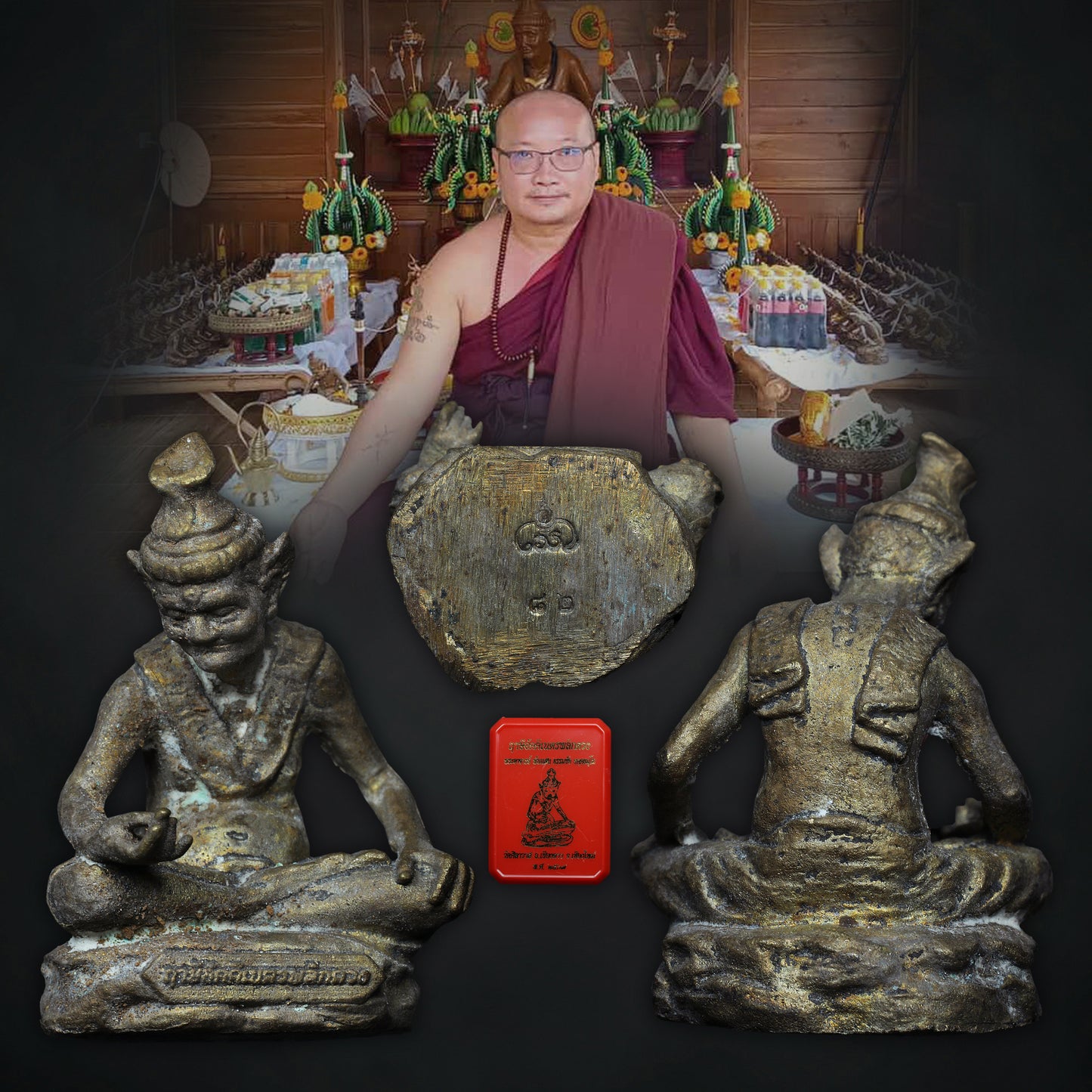
The Ruesi Akkhinet Plik Duang is a special commemorative sacred image created by Phra Ajarn Phansaen Thammachai Akkhadhammo, commonly known as Kruba Phansaen, of Wat Pa Charoen Tham Silawat in Chiang Dao, Chiang Mai.
Each artifact was individually cast from carefully prepared sacred alloys. Natural variations in surface texture, colour, casting details and form make every piece distinctive.
All pieces collected direct from temple and wrapped in plastic.
The photographs are representative only. A piece will be selected at random, and the item supplied may differ slightly from the exact piece shown in the images.
No temple box will be provided as I have already wrapped the pieces in plastic and the boxes are just too heavy to bring back
━━━━━━━━━━━━━━━━━━━━━━━━━━━━━━━━
Personal Experiences Shared by Luksits
Among followers of Kruba Phansaen, the Ruesi Akkhinet Plik Duang is particularly associated with individuals experiencing difficult periods in life.
Devotees who seek such pieces commonly describe circumstances involving financial setbacks, prolonged obstacles, unfavourable career developments or a general feeling that their luck has declined.
Within traditional Lanna belief, these situations are sometimes described as Duang Tok, referring to a period of weakened fortune or unfavourable destiny.
The Plik Duang concept is especially meaningful to followers who believe that difficult circumstances can be reversed through spiritual support, renewed determination and appropriate personal action.
Some devotees regard Ruesi Akkhinet as a guiding figure during periods when important decisions must be made, particularly when leaving an unsuccessful situation, rebuilding a business or beginning a new stage of life.
Others emphasise the protective qualities of Lersi Ta Fai, traditionally associated with removing negative influences and overcoming unseen obstacles.
The 7 night silent meditation consecration also holds particular significance among disciples who appreciate sacred objects connected with a master's personal spiritual discipline.
For these collectors, the value of this edition lies not merely in its physical construction but in its association with a defined period of intensive meditation.
━━━━━━━━━━━━━━━━━━━━━━━━━━━━━━━━
Summary
The Ruesi Akkhinet Plik Duang is a B.E. 2567 commemorative Lersi image created by Kruba Phansaen of Wat Silawat, Chiang Dao.
The edition was associated with his seven-night silent meditation retreat from 23 to 30 December 2024, during which the sacred images underwent meditative consecration.
Cast from traditional Nuea Chanuan sacred alloy, the image represents Lersi Ta Fai, the Fire-Eyed Hermit, whose spiritual symbolism centres upon wisdom, authority, protection and the destruction of harmful influences.
The principal purpose of this creation is Plik Duang — transforming unfavourable circumstances into more positive opportunities.
It is associated with reversing declining fortune, overcoming obstacles, clearing negative influences, strengthening Baramee and encouraging prosperity.
Its numbered production and connection with Kruba Phansaen's silent meditation retreat make it a distinctive commemorative creation within contemporary Lanna sacred traditions.
━━━━━━━━━━━━━━━━━━━━━━━━━━━━━━━━
Historical Background
Ruesi Akkhinet, also known as Lersi Ta Fai, occupies an important position within traditional Thai hermit beliefs.
He is regarded in certain spiritual traditions as one of the 108 revered Lersi masters, associated with advanced meditation, sacred knowledge, traditional healing and protective Wicha.
The name Akkhinet can be understood as Fire-Eyed, referring to the sacred fire of spiritual concentration and wisdom.
According to traditional legend, Lersi Akkhinet spent an extraordinary period practising meditation and ascetic discipline in remote forests.
Through prolonged spiritual cultivation, his meditative power became so intense that sacred fire was believed to develop within his third eye.
This fire was not regarded as ordinary physical flame. Rather, it symbolised the concentrated power of spiritual discipline, insight and the ability to overcome harmful forces.
Traditional accounts describe the Lersi keeping his third eye closed, opening it only when necessary to confront destructive influences, black magic or other forms of spiritual disturbance.
The sacred fire was believed to consume these harmful forces, allowing balance and stability to be restored.
Beyond its protective symbolism, the third eye also represents wisdom and the ability to perceive the underlying causes of difficulties.
This association makes Ruesi Akkhinet particularly meaningful within the concept of Plik Duang.
Rather than simply attracting good luck, the tradition emphasises the removal of obstacles that prevent favourable circumstances from developing.
Within Northern Thai spiritual practice, Lersi figures have long been respected as representations of teacher lineage, accumulated Baramee and the transmission of sacred knowledge.
Kruba Phansaen's creation continues this tradition while connecting the image with a specific period of meditation and personal spiritual discipline.
━━━━━━━━━━━━━━━━━━━━━━━━━━━━━━━━
Origins of the Materials
The Ruesi Akkhinet Plik Duang was cast using Nuea Chanuan, a traditional sacred metal alloy associated with Lanna ritual craftsmanship.
Chanuan generally refers to metal materials gathered from earlier sacred castings, consecrated objects and other ritual sources.
Within traditional Thai amulet production, such materials are valued for their connection with previous blessing ceremonies and the continuity of spiritual lineages.
Rather than relying entirely upon newly prepared metal, practitioners may incorporate older sacred alloys to symbolically preserve the Baramee associated with earlier ritual work.
For this edition, the Chanuan was prepared and cast into the seated image of Ruesi Akkhinet.
The resulting surface displays an uneven metallic character, with areas of darker oxidation and lighter gold-toned highlights.
These characteristics reflect the traditional casting process and distinguish the piece from highly polished modern reproductions.
The underside contains sacred markings together with an individual identification number, providing an additional feature associated with the commemorative issue.
The use of Nuea Chanuan also reinforces the connection between the physical artifact and the broader tradition of Lanna sacred-metal craftsmanship.
━━━━━━━━━━━━━━━━━━━━━━━━━━━━━━━━
Ritual
The most significant aspect of this edition is its association with Kruba Phansaen's seven-night silent meditation retreat.
The retreat took place from 23 December to 30 December B.E. 2567 (2024).
During this period, Kruba Phansaen undertook intensive meditation while observing Pit Wacha, a discipline of refraining from speech.
Within traditional monastic and ascetic practices, periods of silence are intended to reduce distraction, strengthen concentration and encourage deeper mental cultivation.
The consecration of the Ruesi Akkhinet images was connected directly with this period of sustained spiritual practice.
Rather than relying solely upon a brief public blessing ceremony, the pieces were associated with prolonged meditative concentration over seven nights.
The practice emphasised disciplined intention, mental stability and the accumulation of spiritual Baramee.
The image of Lersi Ta Fai was particularly appropriate for this ceremony because the Fire-Eyed Hermit symbolises the power of concentrated meditation to overcome ignorance, harmful influences and spiritual obstacles.
The principal ritual intention was Plik Duang, the reversal of unfavourable destiny.
Through traditional invocation and meditative empowerment, the sacred images were dedicated to helping devotees move beyond difficult circumstances and establish a more favourable direction in life.
The retreat also served as the commemorative foundation of the edition, linking each image to a specific period of Kruba Phansaen's spiritual practice.
━━━━━━━━━━━━━━━━━━━━━━━━━━━━━━━━
Blessings and Effects
The Ruesi Akkhinet Plik Duang is principally associated with destiny reversal, protection and the restoration of favourable fortune.
Its traditional attributed blessings include:
-
Plik Duang – Destiny Reversal: Transforming declining luck, unfavourable circumstances and prolonged setbacks into more positive opportunities.
-
Prab Marn – Overcoming Obstacles: Removing harmful influences, spiritual disturbances and obstacles affecting personal progress.
-
Astrological Protection: Traditionally sought during periods of weakened fortune, planetary clashes or Fan Tai Sui.
-
Maha Larp and Prosperity: Supporting financial opportunities, business improvement and a more stable livelihood.
-
Baramee and Authority: Strengthening confidence, personal presence, leadership and favourable support from others.
-
Wisdom and Mental Clarity: Encouraging concentration, better judgement and determination when facing important decisions.
The central purpose is not merely to attract good luck, but to symbolise the transformation of difficult circumstances into a more favourable direction.
━━━━━━━━━━━━━━━━━━━━━━━━━━━━━━━━
Modern Application
The Ruesi Akkhinet Plik Duang is particularly meaningful for individuals undergoing important changes in their personal or professional lives.
Those experiencing career uncertainty, financial difficulties, business setbacks or repeated obstacles may appreciate its traditional association with reversing unfavourable fortune.
For business owners and entrepreneurs, the Plik Duang concept represents the aspiration to recover from unsuccessful periods, identify new opportunities and rebuild stability.
Individuals concerned about astrological clashes may also regard the piece as a traditional protective companion during periods believed to carry unfavourable planetary influences.
The Lersi's association with wisdom and disciplined meditation makes the image relevant to those seeking stronger concentration, confidence and clarity in decision-making.
Some devotees may choose to place the image on a personal altar or work desk, while others keep it among their sacred objects as a reminder of perseverance and positive change.
For collectors of Kruba Phansaen, the edition is particularly significant because of its direct connection with the seven-night silent meditation retreat.
━━━━━━━━━━━━━━━━━━━━━━━━━━━━━━━━
Physical Details
A seated Ruesi Akkhinet, or Lersi Ta Fai, image cast from traditional Nuea Chanuan sacred alloy. The figure displays an elaborate ascetic headdress, defined facial features, a raised hand gesture and a cross-legged meditation posture upon a decorated base. The surface retains naturally varied dark metallic tones with lighter gold-coloured areas and traditional casting characteristics. Sacred markings and an individual identification number appear on the underside. Issued in B.E. 2567 (2024) to commemorate Kruba Phansaen's seven-night silent meditation retreat.
━━━━━━━━━━━━━━━━━━━━━━━━━━━━━━━━
Recommended Pairing
Phra Rahu Amulets are natural companions for individuals concerned with astrological obstacles, unfavourable planetary influences and the reversal of difficult circumstances.
Phayak Khu Tapop Sap – Twin Seur Seizing Wealth by Kruba Phansaen complements the Plik Duang concept through its traditional association with authority, protection, financial opportunities and the preservation of prosperity.
Phra Sivali Amulets may be paired by those seeking livelihood support, beneficial opportunities, favourable journeys and assistance from benefactors.
Together, these pieces represent the traditional combination of destiny reversal, protection, personal strength and the attraction of favourable opportunities.
━━━━━━━━━━━━━━━━━━━━━━━━━━━━━━━━
Personal Notes
What makes this Ruesi Akkhinet Plik Duang particularly interesting is the relationship between its spiritual symbolism and the circumstances of its creation.
The image of Lersi Ta Fai is traditionally associated with intense meditation, sacred fire and the ability to overcome harmful influences.
Kruba Phansaen's decision to connect this edition with a seven-night silent meditation retreat reinforces those same qualities of discipline, concentration and spiritual determination.
The term Plik Duang is also significant.
In traditional Thai belief, an individual experiencing declining fortune may feel that opportunities have become increasingly difficult to obtain, despite continued effort.
The purpose of a Plik Duang sacred object is to symbolise the possibility of reversing such circumstances and beginning a more favourable chapter.
The fire of Lersi Akkhinet represents the removal of negative influences, while his meditative wisdom symbolises the clarity required to recognise a better path forward.
This combination gives the piece a broader meaning than ordinary luck-attracting amulets.
It represents the belief that unfavourable circumstances need not remain permanent and that spiritual discipline, determination and appropriate action can accompany meaningful personal change.
The B.E. 2567 edition is further distinguished by its commemorative connection with Kruba Phansaen's retreat from 23 to 30 December 2024, its traditional Chanuan casting and individually numbered construction.
For collectors of Lanna Lersi Wicha, the Ruesi Akkhinet Plik Duang represents a sacred image centred upon the reversal of misfortune, the overcoming of obstacles and the restoration of positive direction in life.
━━━━━━━━━━━━━━━━━━━━━━━━━━━━━━━━
-
Free Shipping for Singapore| $15 Worldwide | $100 USA All products