OOBThaiAmulets
Ajarn Phansaen - Wat Silawat
Ajarn Phansaen - Wat Silawat
Couldn't load pickup availability
MS07
Phayak Khu Tapop Sap
Ajarn Phansaen Thammachai (Akkadhammo) • Wat Silawat
1st batch
B.E. 2565
3cm
Mainstream Artifact
━━━━━━━━━━━━━━━━━━━━━━━━━━━━━━━━
Sacred Craftsmanship
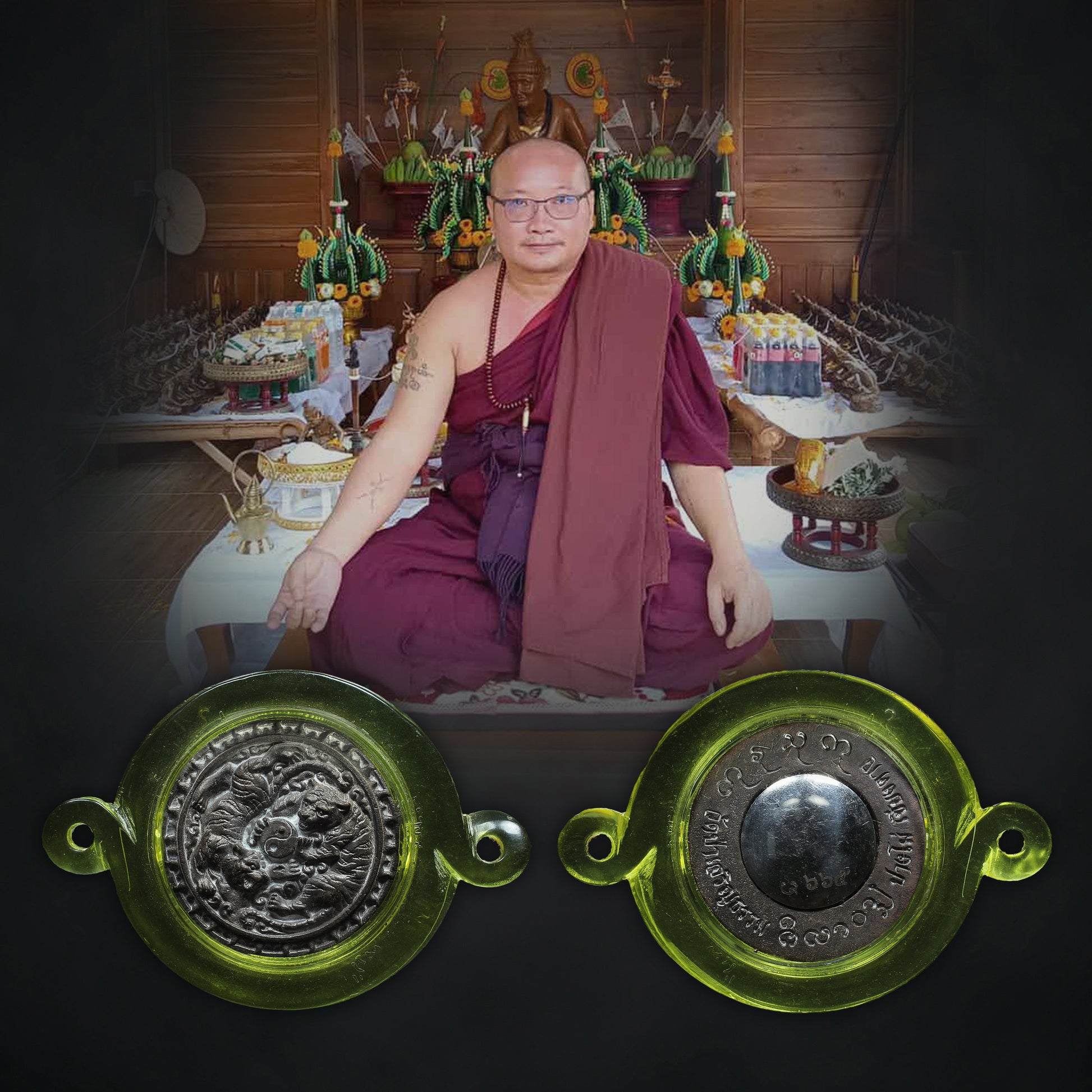
The Phayak Khu Tapop Sap, translated as Twin Seur Seizing Wealth, is a first-edition cast medallion created by Phra Ajarn Phansaen Thammachai Akkhadhammo, also known among his disciples as Kruba Phansaen, of Wat Pa Charoen Tham Silawat in Chiang Dao, Chiang Mai.
Each medallion was individually cast from carefully prepared sacred alloys. Natural variations in metal texture, colour, casting details and surface finishing distinguish individual examples.
The photographs are representative only. A piece will be selected at random, and the item supplied may differ slightly from the exact piece shown in the images.
━━━━━━━━━━━━━━━━━━━━━━━━━━━━━━━━
Personal Experiences Shared by Luksits
Among followers of Kruba Phansaen, the Phayak Khu Tapop Sap series has attracted particular interest from devotees seeking a combination of protection, authority and financial stability.
Some Luksits associate the twin Seur with overcoming difficult periods involving business competition, professional pressure and unfavourable personal circumstances.
Within Northern Thai and Burmese-influenced collecting circles, the medallion is also valued by individuals concerned about astrological clashes, particularly those experiencing what Chinese astrology describes as Fan Tai Sui.
Devotees who carry the piece for this purpose commonly regard the twin Seur as symbolic guardians against disruptive influences and obstacles affecting their livelihood.
Other followers place greater emphasis on its prosperity-related blessings. Business owners, traders and individuals working in competitive environments associate the medallion with the ability to attract opportunities, maintain authority and preserve existing financial gains.
The traditional expression Seur Non Kin, meaning a tiger resting comfortably while enjoying an assured livelihood, is frequently associated with this form of Seur Wicha.
It represents the aspiration to reach a position where personal authority, reputation and accumulated Baramee allow opportunities and support to arrive without constant struggle.
As interest in the first edition increased, collectors also began paying closer attention to the original temple casing and casting characteristics when distinguishing genuine examples from later reproductions.
━━━━━━━━━━━━━━━━━━━━━━━━━━━━━━━━
Summary
The Phayak Khu Tapop Sap is a first-edition Twin Seur medallion created by Kruba Phansaen of Wat Silawat in B.E. 2565 (2022).
Its design combines two powerful Seur with sacred inscriptions and a central Yin-Yang symbol, representing the balance between protection, authority and the attraction of prosperity.
The medallion incorporates sacred metal materials associated with older Burmese ritual scrolls, Takrut and traditional consecrated alloys.
Within Northern Thai folk belief, Seur is respected for Maha Amnat, Baramee, protection and the ability to overcome hostile influences.
The particular expression Tapop Sap, or seizing wealth, introduces an additional emphasis on attracting financial opportunities, preserving accumulated wealth and supporting livelihood.
For collectors of Lanna sacred objects, this first edition represents a distinctive combination of traditional Seur Wicha, sacred alloy craftsmanship and Kruba Phansaen's specialised ritual practices.
━━━━━━━━━━━━━━━━━━━━━━━━━━━━━━━━
Historical Background
Phra Ajarn Phansaen Thammachai Akkhadhammo, commonly known as Kruba Phansaen, is associated with Wat Pa Charoen Tham Silawat in Chiang Dao District, Chiang Mai Province.
He is recognised among followers of Northern Thai sacred traditions for his knowledge of Lanna Wicha, sacred inscriptions, traditional herbal preparations and the ritual empowerment of sacred objects.
His practices also reflect influences associated with Burmese spiritual traditions, including teachings connected with the Bo Bo Aung lineage.
Within traditional Lanna culture, Seur has long been regarded as an important symbol of authority, courage, vigilance and spiritual protection.
The animal's physical strength and commanding presence contributed to its place within folk Wicha, where Seur-related sacred objects were traditionally prepared using symbolic figures, sacred inscriptions and, historically, animal-derived materials.
Such objects were associated with Maha Amnat, Maha Ut, protection against hostile forces and the strengthening of personal Baramee.
The concept of Seur Non Kin also became closely associated with prosperity.
In Thai folklore, a tiger that has established its territory and authority is imagined as living comfortably, with others recognising its position and bringing opportunities or offerings into its domain.
Within sacred-object traditions, this symbolism developed into an aspiration for stable livelihood, respected authority and prosperity supported by accumulated merit and reputation.
The Phayak Khu Tapop Sap draws upon these older beliefs while introducing the twin Seur composition.
Created as part of the temple's Kathin-related merit-making activities, the series reflects the continuation of traditional Seur symbolism within contemporary Lanna amulet craftsmanship.
━━━━━━━━━━━━━━━━━━━━━━━━━━━━━━━━
Origins of the Materials
The Phayak Khu Tapop Sap was produced using sacred metal alloys associated with traditional Northern Thai and Burmese ritual practices.
According to the creation account, the casting materials included metal obtained from older Burmese sacred scrolls, inscribed Takrut and previously consecrated ritual objects.
Within traditional Wicha, old Takrut and sacred metal sheets are often regarded as particularly meaningful materials because they have already undergone ritual preparation, inscription and chanting.
Rather than treating these materials as ordinary scrap metal, practitioners may incorporate them into new castings to symbolically preserve the Baramee associated with earlier ceremonies.
The series is associated with copper-based and traditional Maha Chanuan alloy compositions.
Maha Chanuan refers to sacred casting material incorporating previously consecrated metals, often gathered from different ritual sources and combined for the production of new amulets.
The inclusion of Burmese ritual materials further reflects the connections between Northern Thai and neighbouring Burmese sacred traditions.
The resulting medallion displays a dark metallic surface with raised relief details, preserving the characteristics of traditional casting.
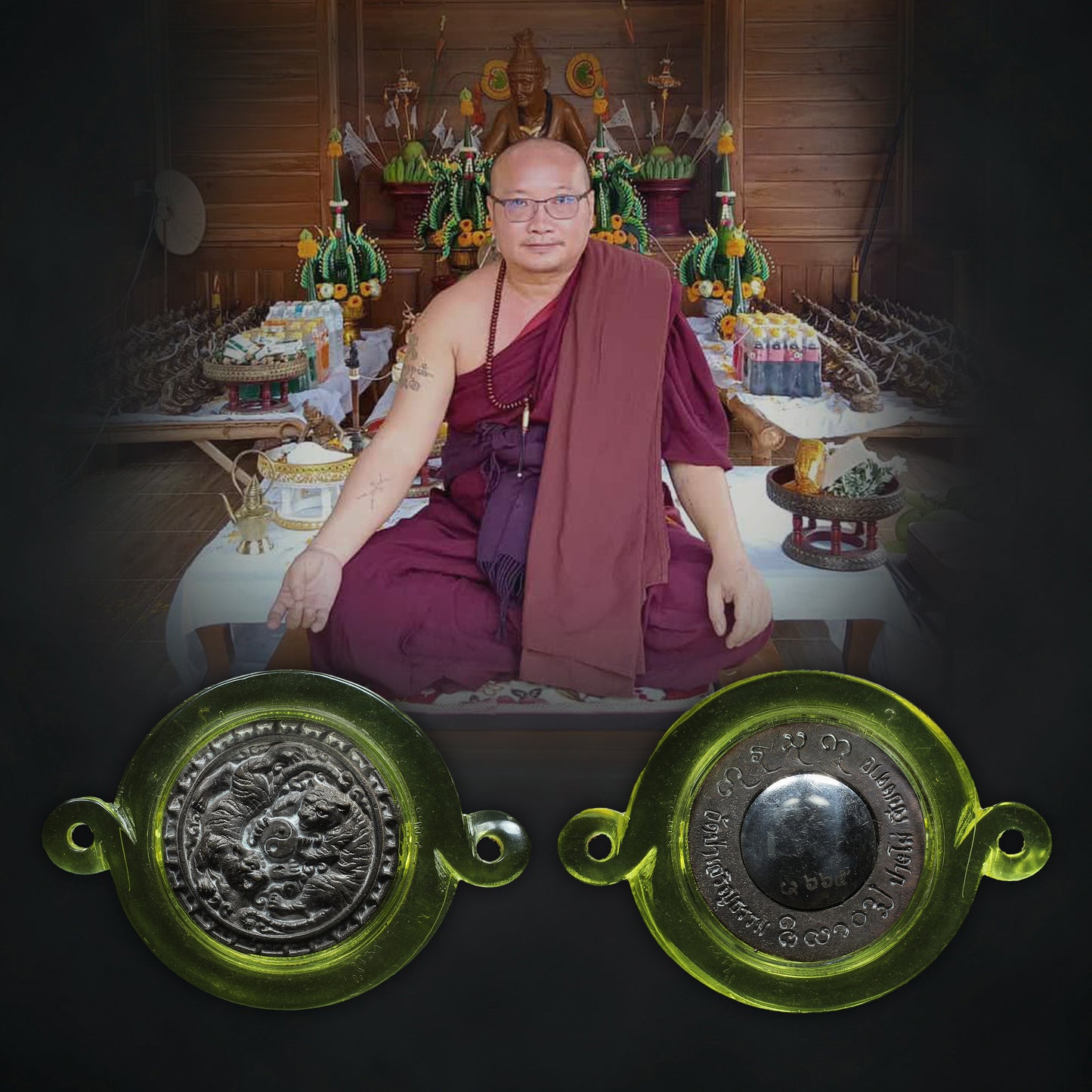
The official red temple casing forms an additional part of the completed presentation, protecting the medallion while allowing both faces to remain visible.
━━━━━━━━━━━━━━━━━━━━━━━━━━━━━━━━
Ritual
The Phayak Khu Tapop Sap was consecrated by Kruba Phansaen according to traditional Lanna ritual methods associated with sacred inscriptions, Kata recitation and meditative empowerment.
His practices are known among disciples for incorporating hand-inscribed Yant, traditional herbal knowledge and the preparation of sacred metal materials.
According to the temple's account, this first-edition series underwent individual consecration by Kruba Phansaen at Wat Pa Charoen Tham Silawat.
The ritual emphasis centred upon the traditional qualities of Seur Wicha, particularly Maha Amnat, Baramee, protection and prosperity.
The two Seur figures were intended to symbolise commanding authority and the ability to seize favourable opportunities while resisting harmful influences.
The central Yin-Yang design introduces the principle of complementary forces, reflecting the balance between active advancement and defensive stability.
The sacred inscriptions incorporated into the medallion further connect the design with traditional blessings for authority, wealth and Metta.
A traditional Kata associated with the use of this medallion is:
กุรุสุกุ รุสุกุกุ สุกุกุรุ กุกุรุสุ
Guru Suku – Rusu Kuku – Suku Guru – Kukuru Su
According to the traditional instruction, the devotee first holds or respectfully invokes the Seur medallion, recites the Kata and then makes a personal aspiration.
The practice reflects the belief that sacred blessings should be accompanied by clear intention, respect for the teacher lineage and responsible personal conduct.
━━━━━━━━━━━━━━━━━━━━━━━━━━━━━━━━
Blessings and Effects
The Phayak Khu Tapop Sap combines traditional Seur Wicha with blessings for authority, protection and the attraction of prosperity.
Its principal attributed effects include:
-
Maha Amnat and Baramee: Strengthening personal authority, leadership, confidence and respect from others.
-
Wealth and Maha Larp: Attracting business opportunities, financial luck and favourable circumstances while preserving accumulated wealth.
-
Protection and Maha Ut: Traditionally associated with resisting hostile influences, spiritual disturbances and harmful intentions.
-
Astrological Protection: Favoured by devotees seeking support during unfavourable planetary periods, including Fan Tai Sui.
-
Metta Maha Niyom: Encouraging goodwill, favourable social reception and assistance from benefactors.
-
Seur Non Kin Prosperity: Symbolising a stable livelihood, established reputation and the ability to enjoy prosperity without constant struggle.
━━━━━━━━━━━━━━━━━━━━━━━━━━━━━━━━
Modern Application
The Phayak Khu Tapop Sap is particularly suited to individuals who value the traditional combination of protection, personal authority and financial stability.
Business owners, entrepreneurs and traders may appreciate its association with attracting opportunities while maintaining control over existing assets.
Professionals working in competitive environments may place greater emphasis on Maha Amnat and Baramee, traditionally connected with confidence, leadership and the ability to command respect.
The medallion is also relevant to devotees who follow Chinese astrological practices, particularly those concerned about Fan Tai Sui or periods of perceived planetary conflict.
Rather than being restricted to individuals experiencing astrological difficulties, the piece is also traditionally carried for general protection, Metta and prosperity.
Its compact form and official temple casing make it suitable for everyday wear.
For collectors, the first-edition status and the use of sacred alloys incorporating older ritual materials provide additional interest, particularly among those specialising in Northern Thai Seur Wicha.
━━━━━━━━━━━━━━━━━━━━━━━━━━━━━━━━
Physical Details
A circular first-edition Phayak Khu Tapop Sap cast medallion issued in B.E. 2565 (2022) by Kruba Phansaen of Wat Pa Charoen Tham Silawat, Chiang Dao, Chiang Mai. The front features two raised Seur figures surrounding a central Yin-Yang symbol, enclosed by decorative relief and sacred motifs. The reverse displays traditional inscriptions around a raised metallic centre. The medallion has a dark aged-metal appearance and is housed within the official translucent red temple casing, fitted with two side openings for attachment or wearing. The casting belongs to the traditional sacred-alloy series associated with copper and Maha Chanuan materials.
━━━━━━━━━━━━━━━━━━━━━━━━━━━━━━━━
Recommended Pairing
LP Kuay Hanuman Amulets complement the authority and protective qualities of the twin Seur, particularly for individuals seeking courage, determination and support when confronting difficult circumstances.
Phra Rahu Amulets may be paired by devotees concerned with astrological obstacles, hidden opposition and the reversal of unfavourable circumstances.
Phra Sivali Amulets provide a complementary emphasis on livelihood, financial opportunities, favourable journeys and assistance from benefactors.
Nang Kwak Amulets are suitable for business owners and individuals involved in retail, sales and customer-facing professions, adding a traditional focus on customer attraction and commercial goodwill.
Together, these sacred objects represent different aspects of protection, authority, wealth attraction and the preservation of prosperity.
━━━━━━━━━━━━━━━━━━━━━━━━━━━━━━━━
Personal Notes
What distinguishes this Phayak Khu Tapop Sap is the combination of traditional Seur symbolism with the practical concept of attracting and preserving wealth.
The two Seur are not simply decorative figures. Their opposing arrangement represents a balance between strength and opportunity, while the central Yin-Yang symbol reinforces the relationship between complementary forces.
The traditional expression Seur Non Kin is particularly relevant to this creation.
In Thai folk understanding, a tiger that has established its authority does not need to struggle constantly to maintain its position. Its reputation and strength allow it to remain secure within its territory.
Applied to everyday life, this symbolism represents the aspiration to build a stable livelihood, develop personal authority and reach a position where opportunities arise through established reputation and accumulated Baramee.
The use of older Burmese sacred metal sheets and Takrut also gives the medallion a connection to earlier ritual traditions, reflecting Kruba Phansaen's knowledge of Lanna and Burmese-influenced Wicha.
Another important detail is the official temple casing. As the first edition has attracted increasing collector interest, preserving the original framing and identifying characteristics has become relevant when examining examples in the secondary market.
For collectors of traditional Seur amulets, this first-edition Phayak Khu Tapop Sap represents a balanced combination of Maha Amnat, Baramee, protection, Metta and the symbolic ability to seize and preserve wealth.
━━━━━━━━━━━━━━━━━━━━━━━━━━━━━━━━
-
Free Shipping for Singapore| $15 Worldwide | $100 USA All products