Skip to product information
1 of 1

OOBThaiAmulets

Ac Piak Ban Dibuk

Ac Piak Ban Dibuk

Regular price $995.00 SGD
Regular price Sale price $995.00 SGD
Sale Sold out


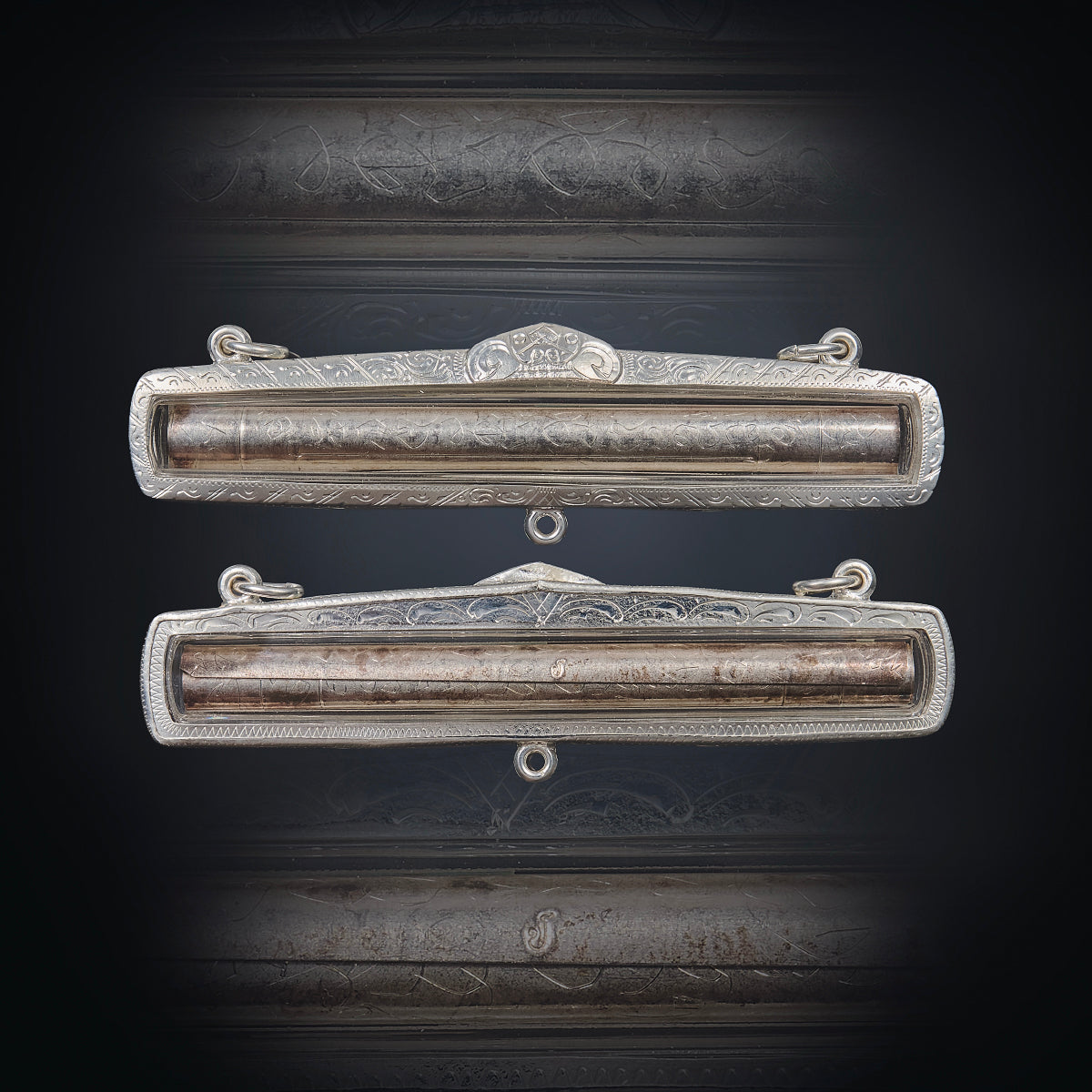
Takrut Maha Rote Pichai Songkram


1. Deity / Master

This takrut is rooted in a martial lineage that honours the sovereign protective power associated with King Naresuan the Great, whose victory in the historic elephant duel became a symbol of national resilience, authority, and spiritual fortitude. The wicha was later preserved through court scholars and ritual specialists serving the Front Palace lineage, particularly during the generation of Prince Dam, where the knowledge continued to be safeguarded as part of the palace’s protective traditions.

The transmission into modern practice comes through learned teachers connected to the old Southern and Central manuscripts—Ajarn Kloy of Nakhon Si Thammarat and Luang Pu Kham of Wat Bangwa—ensuring that the takrut remains aligned with its classical form rather than the simplified versions seen in later periods.


2. Historical Background

The Takrut Maha Rote Pichai Songkram draws its foundation from early Ayutthaya-period war magic, particularly the protective methods used by elite guards, battlefield monks, and court specialists. These methods were refined and recorded during the reign of King Naresuan, especially around the period of the elephant duel against the Crown Prince of Ava (Nayak of the city of Sanda / Saovra). That duel is remembered culturally as a test of courage backed by sacred rites, mantras, and battlefield blessings.

During the reign of King Narai, the wicha was reorganized and the manuscripts expanded, integrating techniques from both palace ritualists and forest-monastery traditions. Knowledge from Southern masters—especially the Nakhon Si Thammarat lineage—merged with Central Thai court manuals, creating a comprehensive system that combined protection, authority, and auspicious influence.

The conclusion of this transmission was preserved at the Front Palace (Wang Na), where the lineage of Prince Dam accumulated three key textual sources:

  • silver sheet plates containing martial inscriptions,

  • gold sheet manuscripts used for invoking higher authority and baramee,

  • and ceremonial notes maintained by the scholars at Wang Thewet.

These three sources form the complete structure of the wicha as it exists today.


3. Blessings and Effects

The takrut’s functions are divided according to the classical manuals:

Authority & Commanding Presence (Baramee of Kingship)

Draws from the symbolism of Naresuan’s victory—establishing a field of influence that helps the wearer gain respect, recognition, and natural authority, especially in the presence of elders, leaders, or individuals in positions of decision-making.

Protection in Conflict & High-Pressure Situations

The “Pichai Songkram” aspect focuses on overcoming obstacles and emerging victorious in challenges. It is frequently chosen by those who require strong spiritual anchoring in situations involving competition, negotiation, or confrontation.

Metta, Social Harmony & Ease of Approach

Worn on the right side, as instructed in the old manuals, it balances the commanding energy with metta—allowing the wearer to be approachable while still maintaining dignity and presence. This combination is why the takrut is traditionally suitable for officials, administrators, and individuals working with people in high positions.

Stability, Courage & Mental Clarity

The year-long altar consecration emphasizes inner steadiness and the ability to make firm decisions, particularly in situations where opportunities and risks appear simultaneously.


4. Materials

The takrut is crafted strictly according to the old process:

  • Silver Sheet (Neua Ngern) – The primary material, cut and rolled from solid silver according to measurements found in the historic manuscripts. Silver is the prescribed metal for the Maha Rote formula, chosen for its conductance of protective mantras and its association with purity and clarity of intent.

  • Three-Source Manuscript Integration
    The inscriptions are drawn from:

    1. Ajarn Kloy of Nakhon Si Thammarat – the southern silver-plate manuals,

    2. Luang Pu Kham of Wat Bangwa – the gold-sheet ritual instructions,

    3. Wang Thewet manuscripts – the palace notes that complete the wicha.

  • Consecration Timeframe

    • Initial Wai Kru ceremony

    • One full year of altar blessing (seated in front of the main shrine, receiving daily mantras and offerings)

    • A final sealing blessing conducted after the full-year cycle

Every step—material selection, inscription direction, rolling method, orientation of yantra lines—follows the classical structure that defines the Pichai Songkram lineage.


5. Usage in Modern Life

The takrut remains relevant today for individuals whose lives involve decision-making, leadership, negotiations, or situations requiring both respect and influence.

  • Professionals & Executives benefit from the baramee and commanding presence the lineage is known for.

  • Business Owners & Entrepreneurs use it for clarity, negotiation strength, and the ability to be taken seriously by key stakeholders.

  • Individuals under competition or scrutiny—whether in career advancement, public roles, or leadership positions—find stability and confidence from the takrut’s protective and balancing effects.

  • People interacting with elders, seniors, government officials, or clients appreciate the metta-based charisma that softens interactions without diminishing personal authority.

The takrut is worn on the right side, honoring the traditional direction for approaching elders and authority with respect while aligning the takrut’s energy field with the wearer’s path of influence.

View full details
  • Free Shipping for Singapore| $15 Worldwide | $60 USA For Items Below $350