
OOBThaiAmulets
Ac Lek
Ac Lek
Couldn't load pickup availability
MASS01
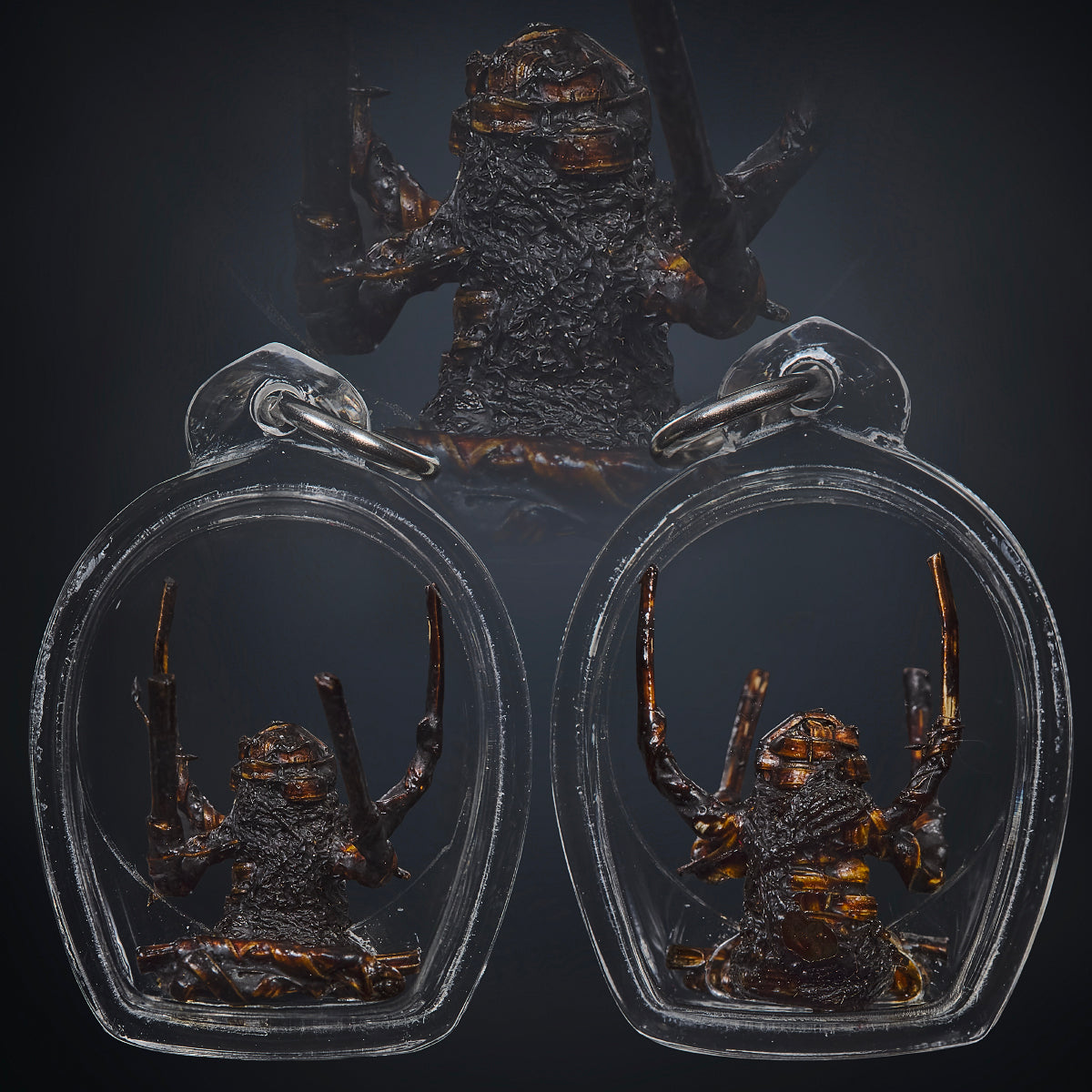
Hoon Payoon – Four-Handed Guardian
Ac Lek | Por Sala Tan
1 Inch
Mainstream Artifact
━━━━━━━━━━━━━━━━━━━━━━━━━━━━━━━━
Sacred Craftsmanship
This four-handed Hoon Payoon was individually handcrafted by Ac Lek, the son and direct disciple of Por Sala Tan, following his period of studying traditional Hoon Payoon Wicha in Ayutthaya.
Each artifact was individually handmade from carefully prepared sacred materials. Natural variations in weaving, texture, colour and form make every piece unique.
The photographs are representative only. A piece will be selected at random, and the item supplied may differ slightly from the exact piece shown in the images.
━━━━━━━━━━━━━━━━━━━━━━━━━━━━━━━━
Personal Experiences Shared by Luksits
Among collectors familiar with Ac Lek's early work, these Hoon Payoon are particularly appreciated for their connection to both Ayutthaya Hoon Payoon Wicha and Por Sala Tan's Northern lineage.
Some luksits who kept similar guardian effigies described experiencing a greater sense of reassurance when travelling, conducting business or leaving their premises unattended.
Others associated their Hoon Payoon with unexpected warnings, particularly moments when they felt compelled to reconsider an agreement, delay an arrangement or become more cautious about someone approaching them.
Such experiences were interpreted by their owners as protective guidance rather than direct intervention.
The four-handed form is especially meaningful to devotees seeking broader guardianship, with its multiple arms traditionally representing the ability to address different concerns simultaneously.
An interesting aspect of these pieces is their age.
They were made approximately two decades ago, and the remaining examples were retained from Ac Lek's early creations rather than produced as a recent batch.
For collectors, their significance lies in their early craftsmanship, original sacred materials and direct connection to Por Sala Tan's consecration.
━━━━━━━━━━━━━━━━━━━━━━━━━━━━━━━━
Summary
The four-handed Hoon Payoon by Ac Lek represents a combination of traditional Ayutthaya guardian-effigy craftsmanship and Northern Thai esoteric practice.
Constructed from carefully selected natural materials, the effigy was prepared according to the Hoon Payoon methods Ac Lek learnt during his studies in Ayutthaya.
Its four-handed configuration symbolises extended guardianship, defensive strength and the ability to protect multiple aspects of the keeper's life.
Its subsequent consecration by Por Sala Tan established an additional connection with his father's Northern Wicha lineage.
Traditionally associated with protection, anti-betrayal, wealth safeguarding, overcoming obstacles and favourable opportunities, this Hoon Payoon was intended to serve as a guardian for its keeper, household or business.
━━━━━━━━━━━━━━━━━━━━━━━━━━━━━━━━
Historical Background
The Ayutthaya Hoon Payoon Tradition
Hoon Payoon occupies a distinctive place within traditional Thai occult practice.
Unlike conventional Buddha images, Hoon Payoon are constructed as guardian effigies, traditionally prepared through sacred materials, yantras, mantra and specific consecration methods.
Ayutthaya has long been associated with practitioners preserving different forms of Hoon Payoon Wicha, particularly those concerned with protection, guarding property and counteracting harmful influences.
Within certain traditions, multi-handed guardian forms represent an extension of the effigy's responsibilities, with additional arms symbolising greater reach and the ability to address several protective functions.
During his studies in Ayutthaya, Ac Lek learnt methods of constructing and preparing these effigies.
Upon returning to Northern Thailand, he adapted his knowledge using materials available through local forests, mountains and traditional practitioner networks.
The resulting pieces reflect a meeting of Central Thai craftsmanship and Northern Lanna ritual traditions.
━━━━━━━━━━━━━━━━━━━━━━━━━━━━━━━━
Origins of the Materials
The Hoon Payoon was constructed from several traditional materials, each carrying a particular symbolic purpose.
Rice Straw (Yaa Khao)
Used as part of the internal framework, representing vitality, sustenance and the foundation of the guardian.
Rattan Wicker (Mai Wai)
Provides structure and binding strength. Within traditional practice, its interwoven form is associated with resilience and the restraint of harmful influences.
Banana Tree Husk (Dtanii)
Collected from banana trees that died while flowering, a material regarded in certain folk traditions as possessing unusual spiritual significance.
Sacred Forest Vines
Kruea Thao Wan and Thao Hlong were incorporated for their traditional associations with binding, protection and the natural forces of the forest.
Palm or Talipot Leaves (Bai Laan)
Prepared with protective yantras before being incorporated into the effigy's internal construction.
Together, these materials formed the physical and ritual foundation of the Hoon Payoon.
━━━━━━━━━━━━━━━━━━━━━━━━━━━━━━━━
Ritual
Ac Lek initially prepared the Hoon Payoon according to the methods he had learnt in Ayutthaya.
The construction process involved assembling the sacred materials, forming the guardian's body and incorporating the necessary ritual components.
Within traditional Hoon Payoon Wicha, the binding of materials and recitation of mantras are considered important stages in establishing the effigy's protective purpose.
The four-handed configuration was intended to represent a guardian capable of extending its protective responsibilities across different directions and circumstances.
After completing the piece, Ac Lek brought it to Por Sala Tan for a secondary consecration.
This additional blessing was intended to reinforce the guardian's protective character while incorporating the Baramee and ritual methods associated with Por Sala Tan's Northern practice.
The completed artifact therefore represents the work of two generations within the same practitioner lineage.
━━━━━━━━━━━━━━━━━━━━━━━━━━━━━━━━
Blessings and Effects
Within traditional belief, the four-handed Hoon Payoon is associated with several principal qualities.
Protection and Four-Directional Guardianship
Believed to safeguard its keeper, home or business against harmful influences, unwanted disturbances and dangers arising from different directions.
Anti-Betrayal and Hostile Intentions
Traditionally associated with counteracting jealousy, deceit, hidden opposition and malicious intentions.
Wealth and Livelihood
Kept for safeguarding accumulated wealth, maintaining business stability and attracting favourable opportunities.
Overcoming Obstacles
The four-handed form symbolises strength and readiness when confronting difficulties, competition or challenging circumstances.
Warnings and Spiritual Assistance
Some owners report intuitive warnings or an increased sense of caution during uncertain situations, which they attribute to the guardian's presence.
━━━━━━━━━━━━━━━━━━━━━━━━━━━━━━━━
Modern Application
The four-handed Hoon Payoon may be carried for personal protection or kept within a home, office or business premises.
It is particularly associated with individuals involved in business, trading, negotiations, leadership and occupations where competition or uncertainty is common.
Its multi-handed form makes it symbolically suitable for those seeking protection across several areas of life, including personal safety, property, livelihood and professional relationships.
Some devotees prefer keeping guardian effigies near their workplace or personal belongings as a symbolic safeguard.
Its compact size also makes it convenient for discreet daily carrying.
━━━━━━━━━━━━━━━━━━━━━━━━━━━━━━━━
Physical Details
This four-handed Hoon Payoon features a compact seated guardian figure with four arms extending from its body, representing its multi-directional protective character. The effigy is densely wrapped with traditional binding materials, displaying a dark brown to black surface with aged amber-coloured highlights. Its handmade construction produces an irregular woven texture, reflecting the natural materials used. The example shown is housed within a protective transparent casing.
━━━━━━━━━━━━━━━━━━━━━━━━━━━━━━━━
Recommended Pairing
The Hoon Payoon may be paired with Phra Somdej, Phra Pidta or other Baramee-oriented Buddhist amulets.
Within traditional practice, the Hoon Payoon serves as a guardian, while the accompanying Buddhist amulet represents spiritual stability, mindfulness and auspicious blessings.
For business owners, pairing it with a Metta Maha Niyom or wealth-oriented artifact creates a traditional combination of protection, favourable relationships and livelihood support.
━━━━━━━━━━━━━━━━━━━━━━━━━━━━━━━━
Personal Notes
These four-handed Hoon Payoon belong to Ac Lek's earlier period of practice, following his return from studying traditional guardian-effigy Wicha in Ayutthaya.
What distinguishes them is the combination of their multi-handed guardian design, early handcrafted construction and subsequent consecration by Por Sala Tan.
The four-handed configuration gives the effigy a broader symbolic role, representing guardianship over different directions and aspects of the keeper's life.
The remaining examples were retained from that period, making them meaningful representations of Ac Lek's development as a practitioner and the continuation of his father's spiritual lineage.
Rather than being recent creations, they preserve a connection to an earlier chapter of Northern Thai Hoon Payoon craftsmanship.
━━━━━━━━━━━━━━━━━━━━━━━━━━━━━━━━
-
Free Shipping for Singapore| $15 Worldwide | $100 USA All products